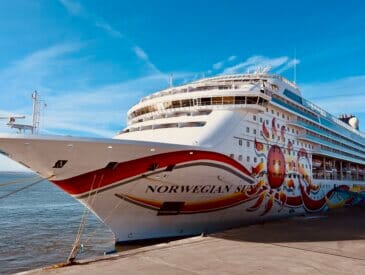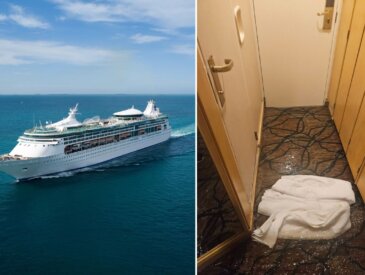
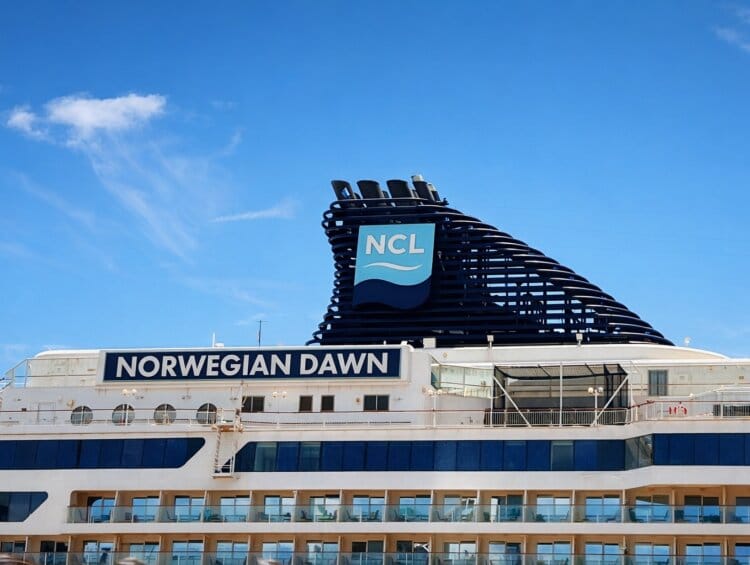
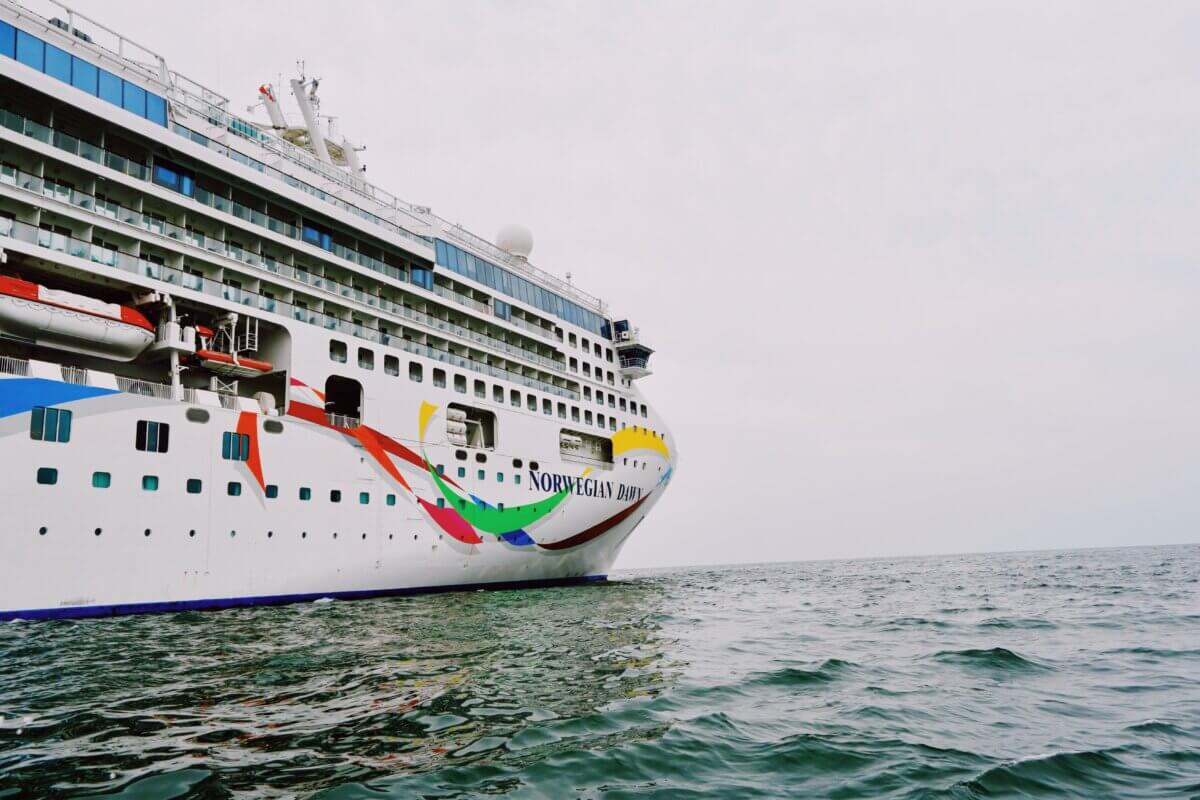
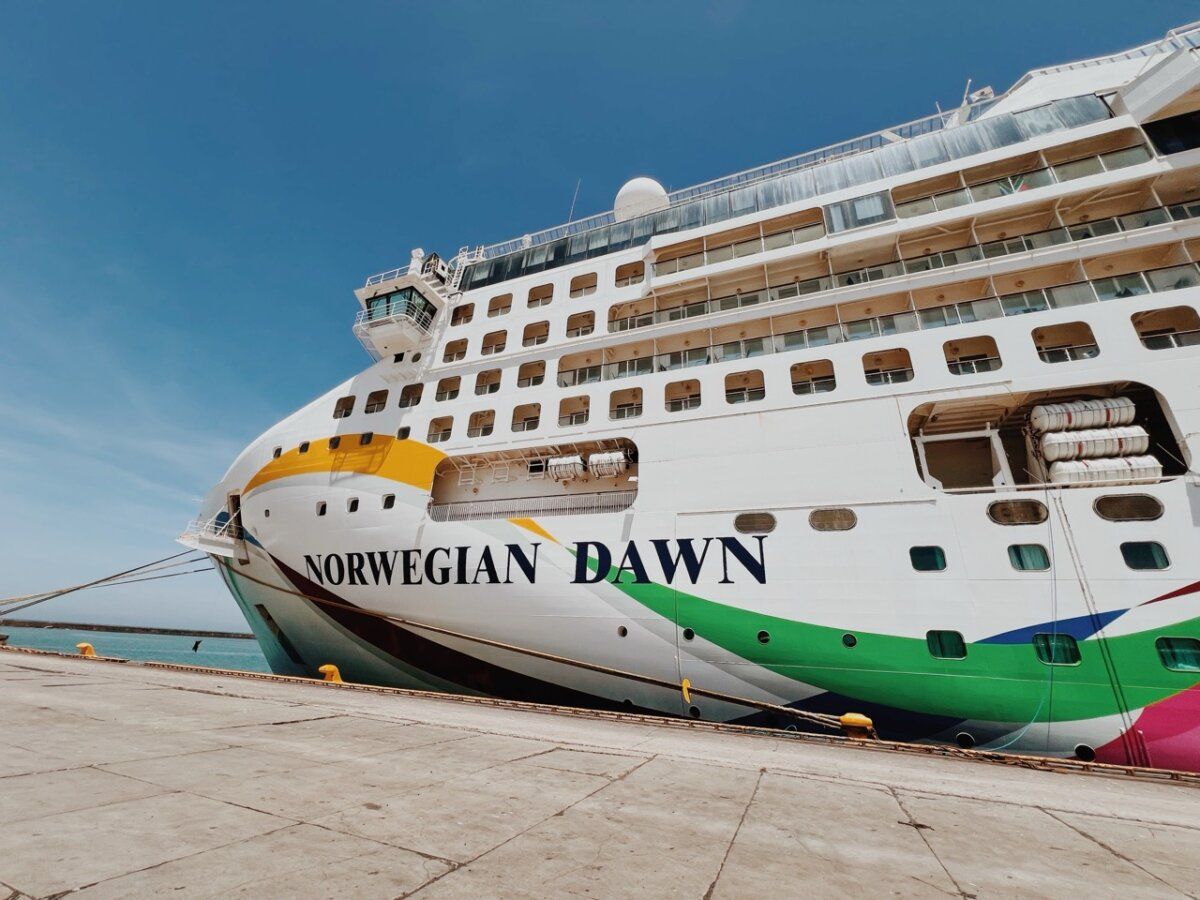
Norwegian Cruise Line’s Norwegian Dawn received a failing score of 84 during its March 2026 inspection by the Centers for Disease Control and Prevention’s Vessel Sanitation Program. The score falls just below the 85-point threshold required for a passing grade.
The inspection places the ship in the category of “unsatisfactory,” a designation that can trigger increased scrutiny and follow-up inspections. While cruise ships are regularly evaluated under this program, failing scores are relatively uncommon across the industry.
In the case of Norwegian Dawn, inspectors identified a range of deficiencies across food safety, sanitation, and equipment maintenance, including several issues classified as posing potential public health risks.
The CDC’s Vessel Sanitation Program (VSP) conducts unannounced inspections of cruise ships that carry 13 or more passengers and call on U.S. ports. These inspections are designed to evaluate public health standards onboard, with a focus on food safety, water systems, hygiene practices, and outbreak prevention.
Ships are scored on a 100-point scale based on compliance with detailed environmental health standards. A score of 85 or higher is considered satisfactory, while anything below that threshold is classified as a failure.
During inspections, officials review everything from food storage temperatures and galley cleanliness to potable water systems, ventilation, pest control, and crew hygiene practices.
Even minor lapses can result in point deductions, while more serious violations, particularly those involving food safety or contamination risks, can significantly impact a ship’s final score.
Only three other ships have received failing CDC scores in the decade: Bahama Mama (69 in 2015), Safari Endeavour (79 in 2018), and Villa Vie Odyssey (81 in 2025), all falling below the agency’s 85-point passing threshold.
Here’s what the CDC’s detailed report revealed about Norwegian Dawn, including the primary issues that led to the failing score.
Improper food temperatures raise safety concerns
One of the most significant findings during Norwegian Dawn’s inspection involved improper storage temperatures for time- and temperature-sensitive foods.
Inspectors found large quantities of dairy products, including milk, cream, cheese, and butter, stored above the required 41°F in multiple walk-in refrigerators. In some cases, ambient temperatures reached as high as 47°F.
The report noted that tightly packed storage restricted airflow, while refrigeration units appeared unable to maintain safe temperatures. These conditions can increase the risk of bacterial growth in perishable foods.
Contaminated food-contact surfaces identified

Inspectors documented multiple instances of unsanitary food-contact surfaces across Norwegian Dawn.
Ice machines in several locations, including Cagney’s Steakhouse and the Bimini Bar & Grill pantry, were found with a buildup of black and pink debris inside components that come into direct contact with ice. Both units were taken out of service for cleaning.
In another case, a coffee urn at the Aqua Juice Station contained a visible strand of hair on the interior surface.
Food contamination observed during service
The report also highlighted contamination risks during active food service.
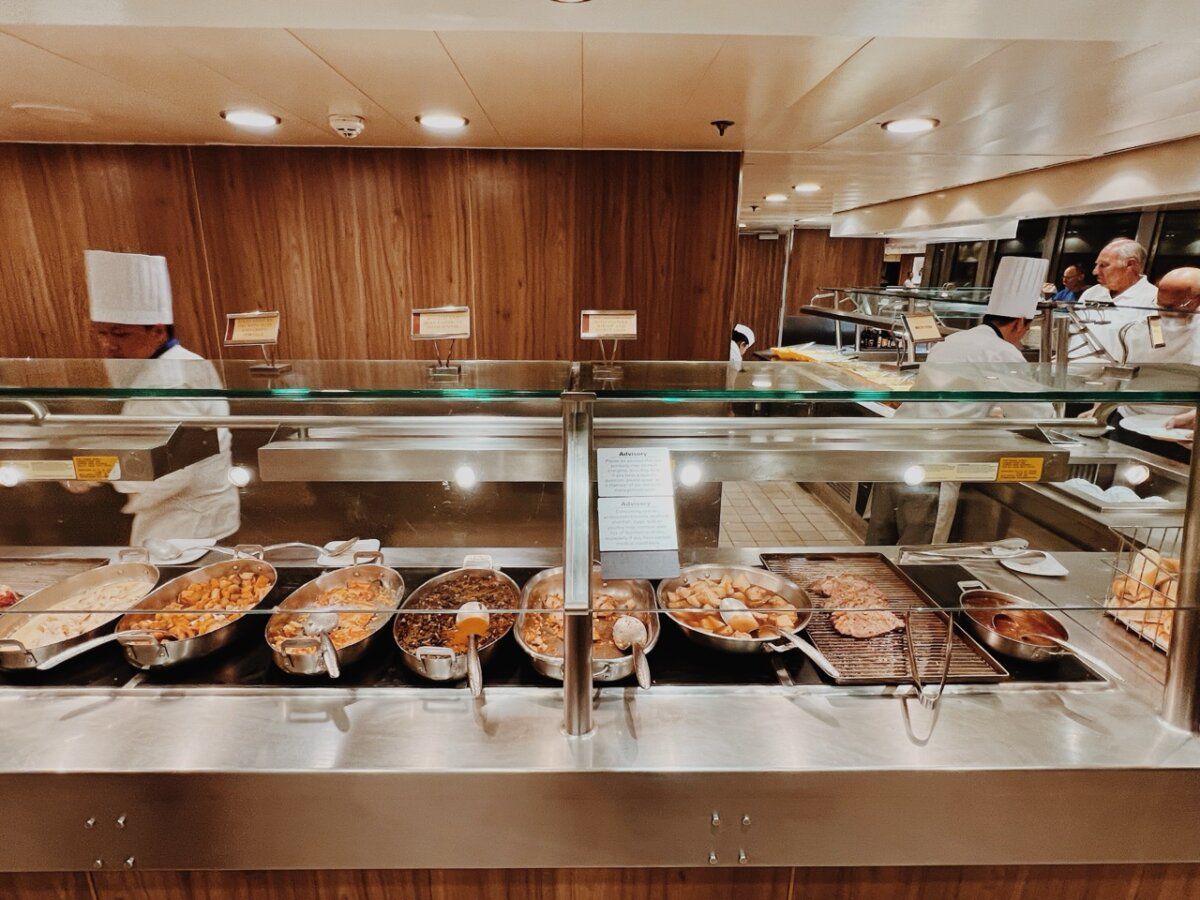
Fruit flies were observed in the crew mess buffet, including one resting directly on bread that remained in service until the inspector intervened. In a separate case, sliced cheese stored in a walk-in refrigerator was found soiled with black debris and discarded.
These incidents raised concerns about real-time monitoring and response during food service operations.
Widespread sanitation and cleanliness issues
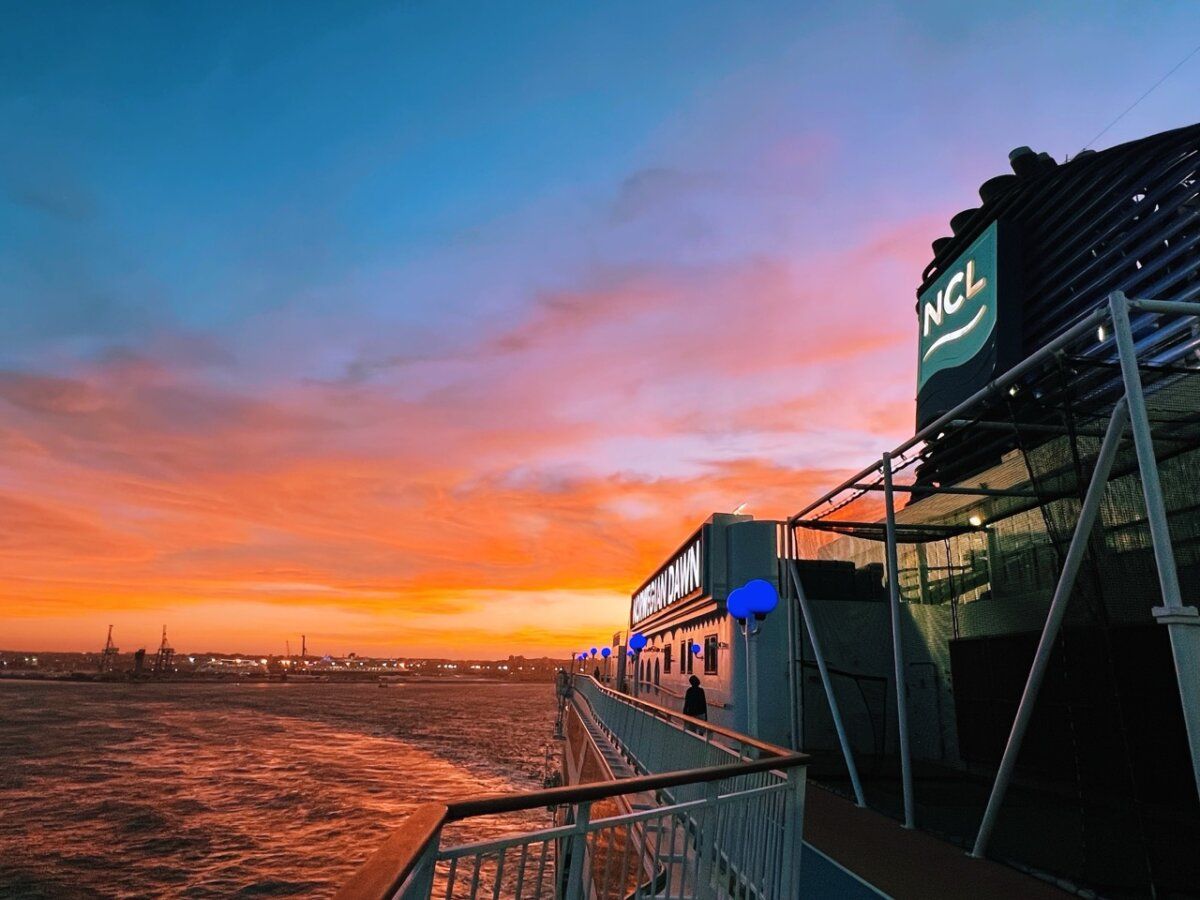
Sanitation deficiencies were noted throughout food preparation and storage areas aboard Norwegian Dawn.
Inspectors cited mold-like buildup in soda cabinets, heavily soiled deck drains with food debris, and refrigerator gaskets contaminated with black residue. In some areas, pooled water and sludge were found near stored food equipment.
Excessive condensation was another recurring issue, with liquid dripping from ceilings in multiple galleys and warewashing areas. This would sometimes result in pooling on surfaces used for food preparation.
Equipment failures and maintenance concerns
The inspection also revealed several equipment-related issues, including failures in critical systems.
Multiple backflow prevention devices, designed to protect potable water, were found to be blocked, corroded, or malfunctioning. In one instance, removing a blockage caused water to continuously discharge, indicating the system had failed and required the unit to be taken out of service.
Other issues included poorly maintained deck surfaces, inadequate lighting in food prep areas, and ventilation systems that allowed condensation buildup.
Improper storage and operational lapses

Inspectors noted several operational issues tied to improper storage and handling practices.
Non-food items, including a crew member’s jacket, were stored inside food service equipment, while rusted utensils were found in storage areas alongside food-related items. In one case, previously cleaned utensils were stored in a soiled soda cabinet with pooled liquid and mold-like buildup, increasing the risk of recontamination.
Cleaning and sanitation practices were also inconsistent. Wiping cloths were stored in cloudy sanitizing solution, and some equipment, such as coffee urns, was stored wet and covered in a way that prevented proper air-drying. Inspectors also observed items being stored in locations exposed to debris, moisture, or residue.
Oversight concerns cited in final report
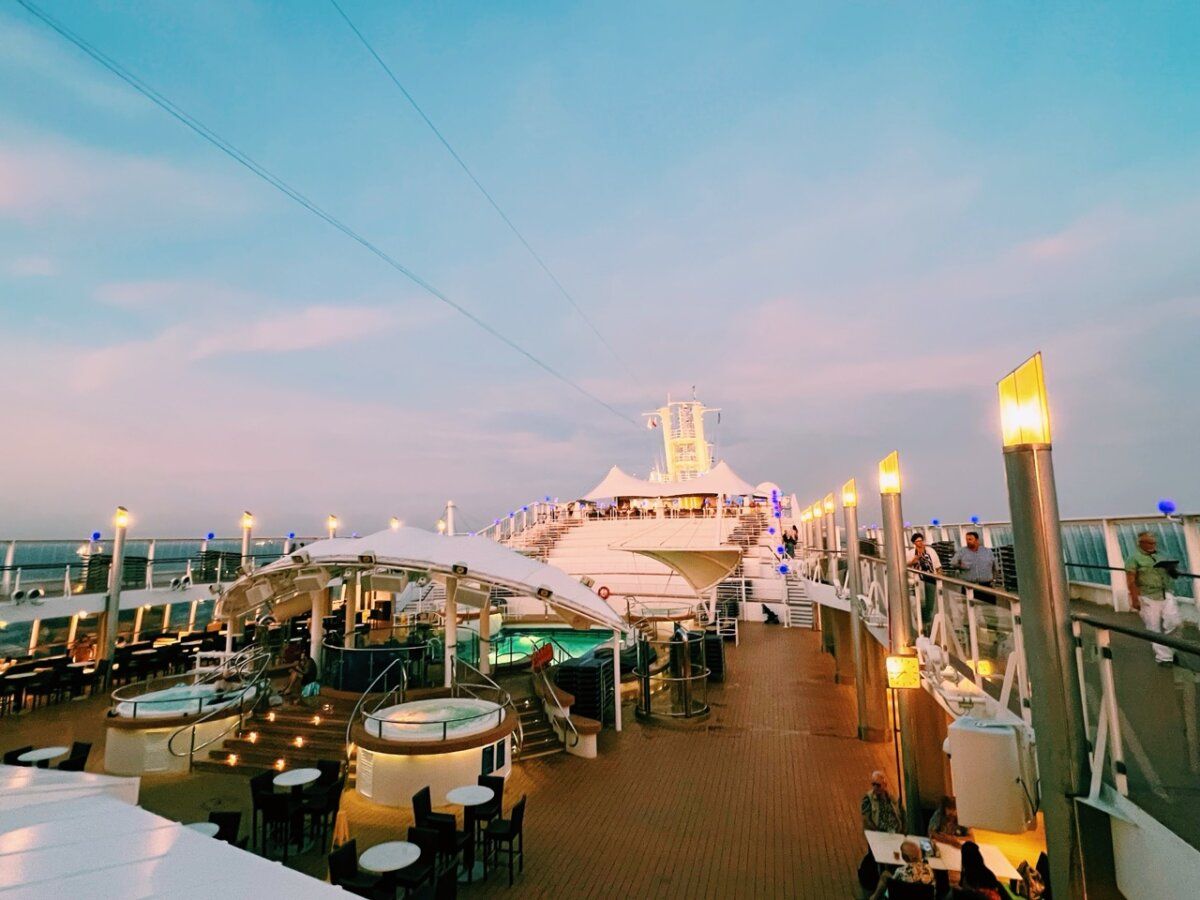
The report concluded that several critical violations were not identified through routine onboard monitoring, raising concerns about oversight and day-to-day enforcement of food safety protocols.
This included temperature control failures in multiple storage areas, contaminated food-contact equipment, and active food safety risks during service. These are issues that should have been identified and corrected through standard procedures before the inspection took place. The report specifically noted that these types of deficiencies point to gaps in managerial controls and monitoring systems, rather than isolated lapses.
About Norwegian Dawn
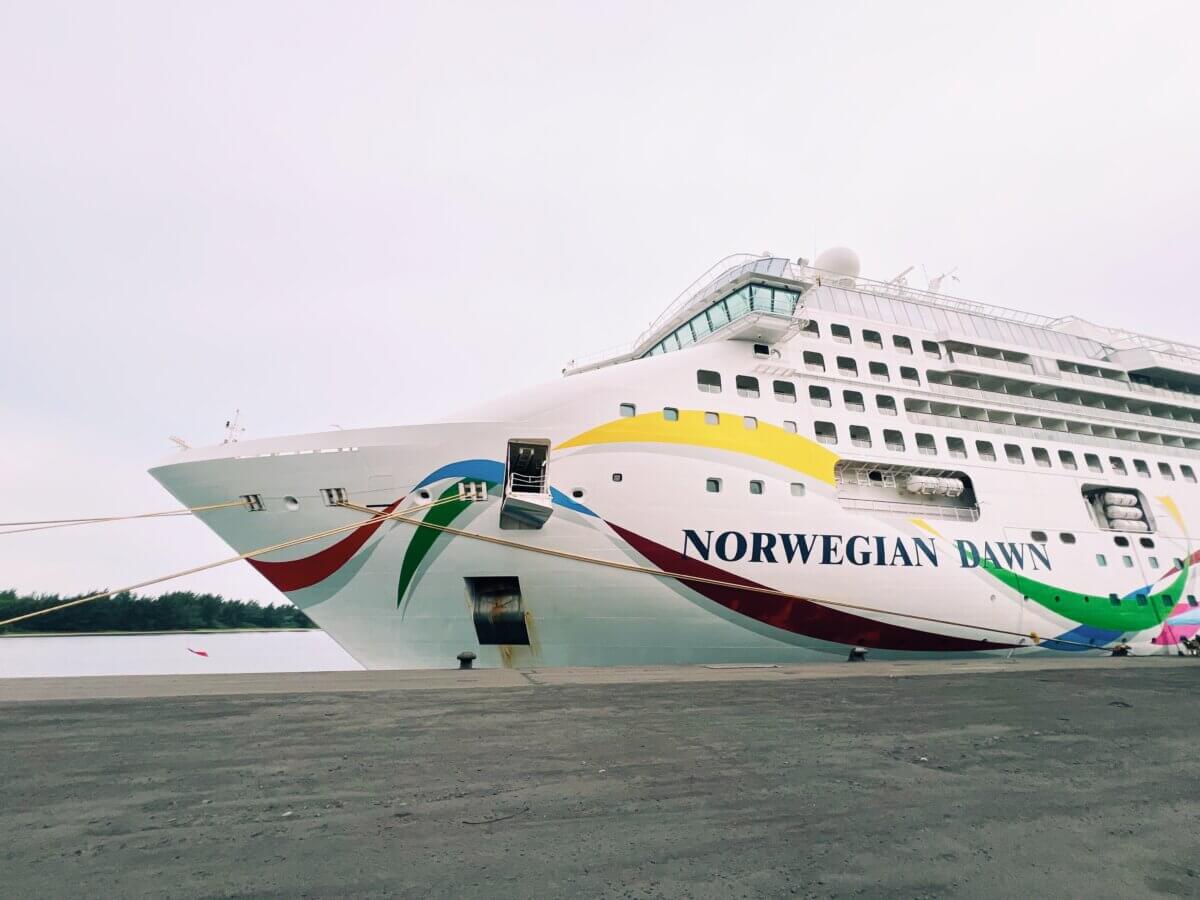
Originally launched in 2002, the ship is part of Norwegian’s Dawn Class and was built at the Meyer Werft shipyard in Germany.
The ship accommodates roughly 2,300 passengers and is designed around Norwegian Cruise Line’s “Freestyle Cruising” concept, which emphasizes flexible dining and a more relaxed onboard experience without fixed schedules.
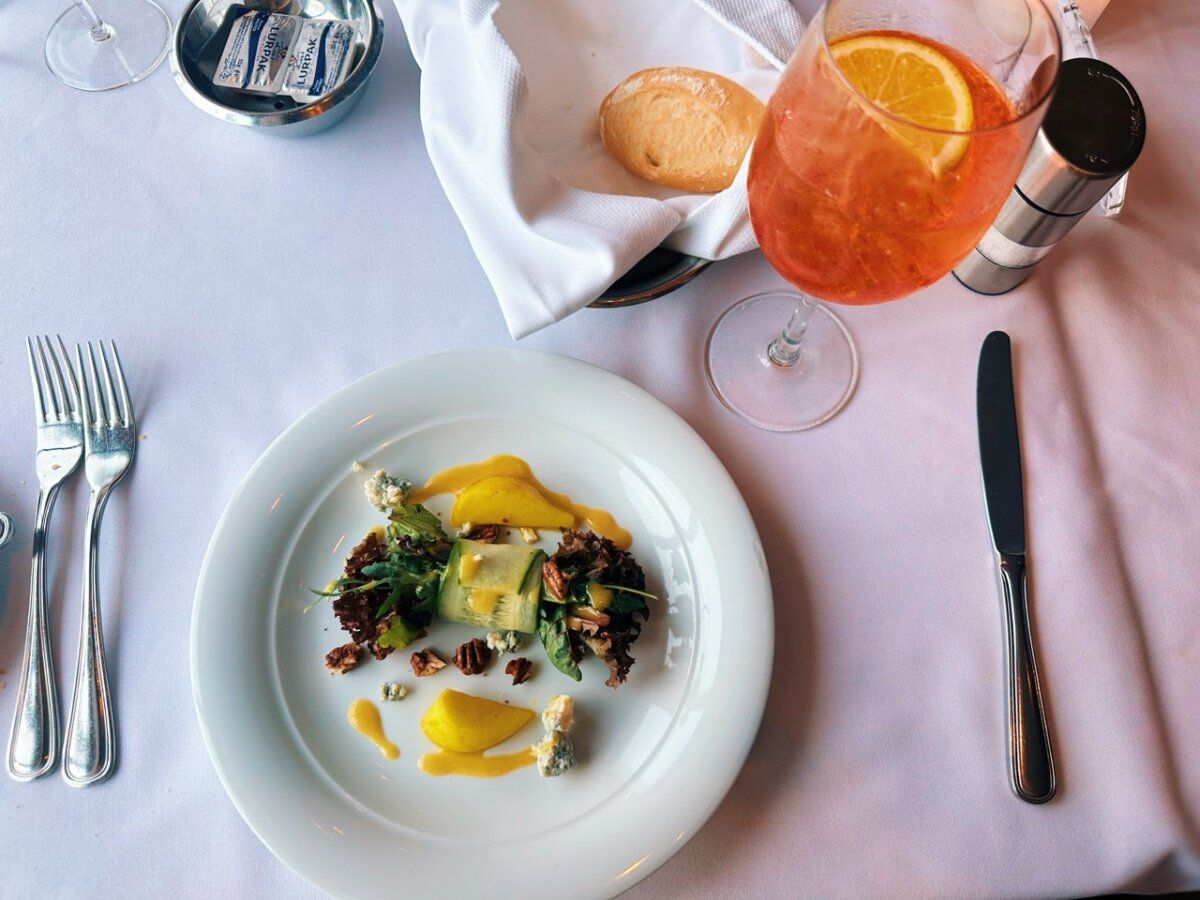
While Norwegian Dawn is one of the older ships in the fleet, it has undergone refurbishments over the years to modernize public spaces and dining venues. Onboard highlights include specialty restaurants like Cagney’s Steakhouse and Le Bistro, a central atrium, multiple bars and lounges, and an expansive pool deck.
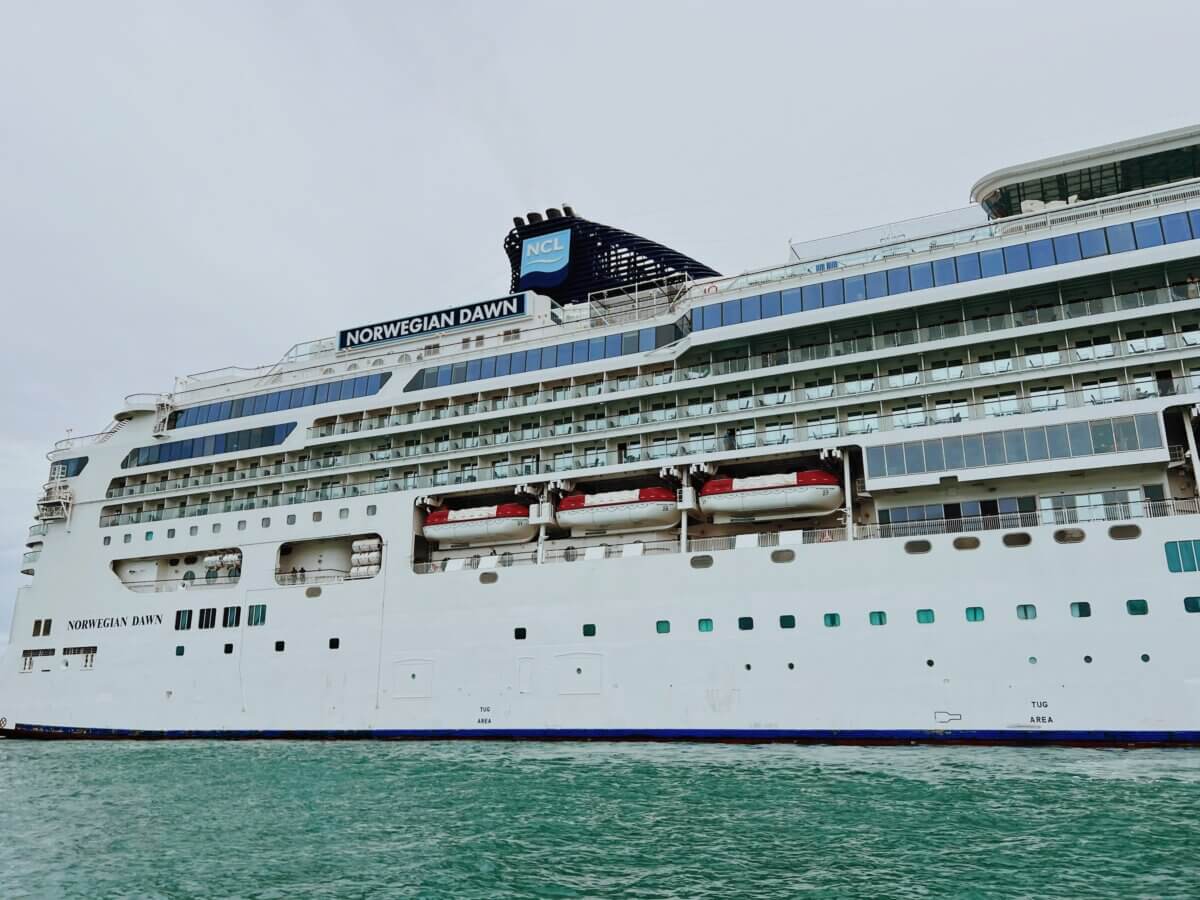
Unlike newer ships in Norwegian’s fleet, such as those in the Prima Class, Norwegian Dawn offers a more traditional cruise experience with fewer large-scale amenities and attractions. Instead, the ship is often deployed on port-intensive itineraries, including sailings in Europe, the Caribbean, and other international destinations.
Because of its smaller size and simpler layout, the ship tends to appeal to travelers looking for a quieter, more classic cruising experience, as well as those prioritizing itinerary over onboard features.