
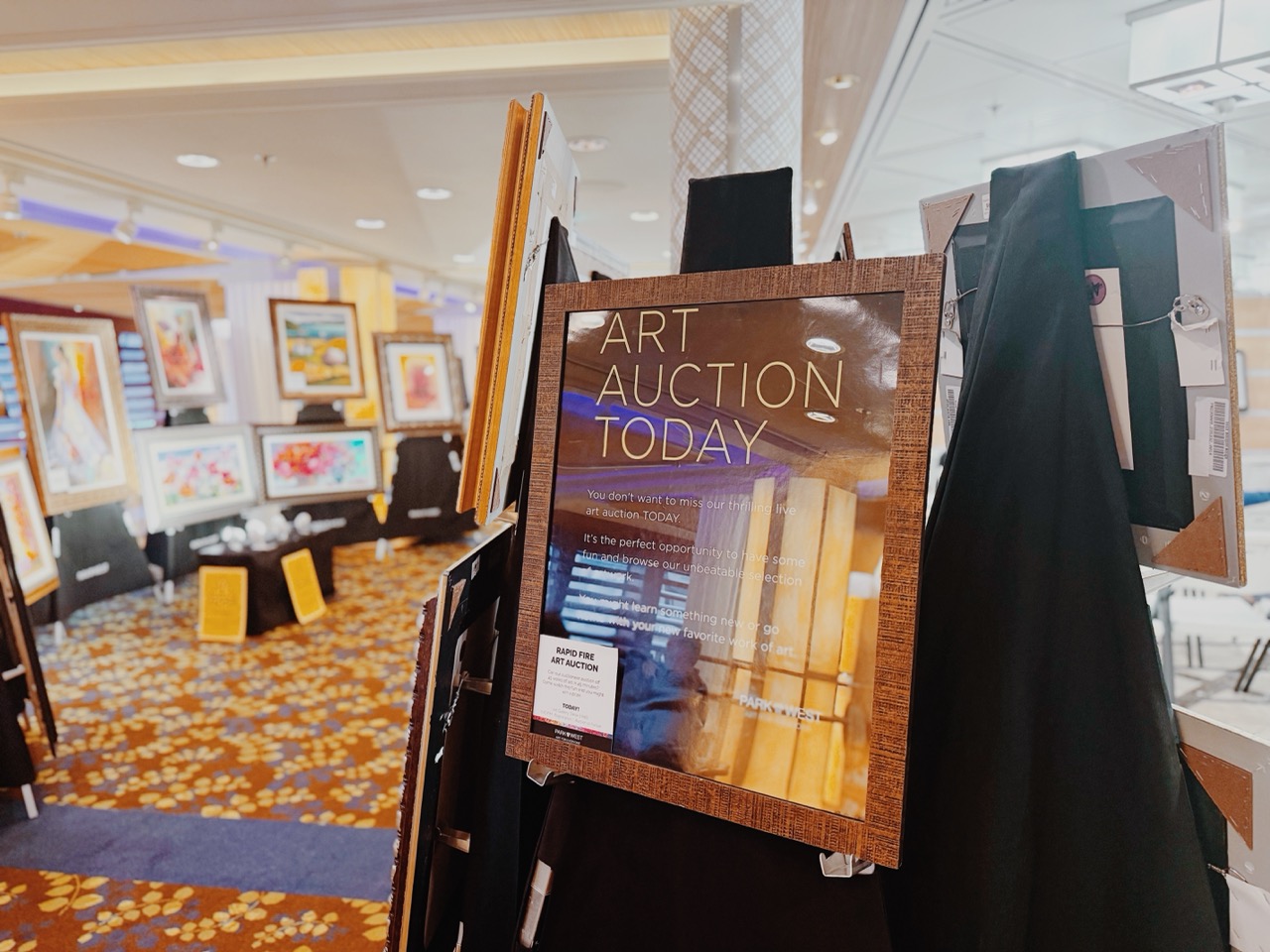
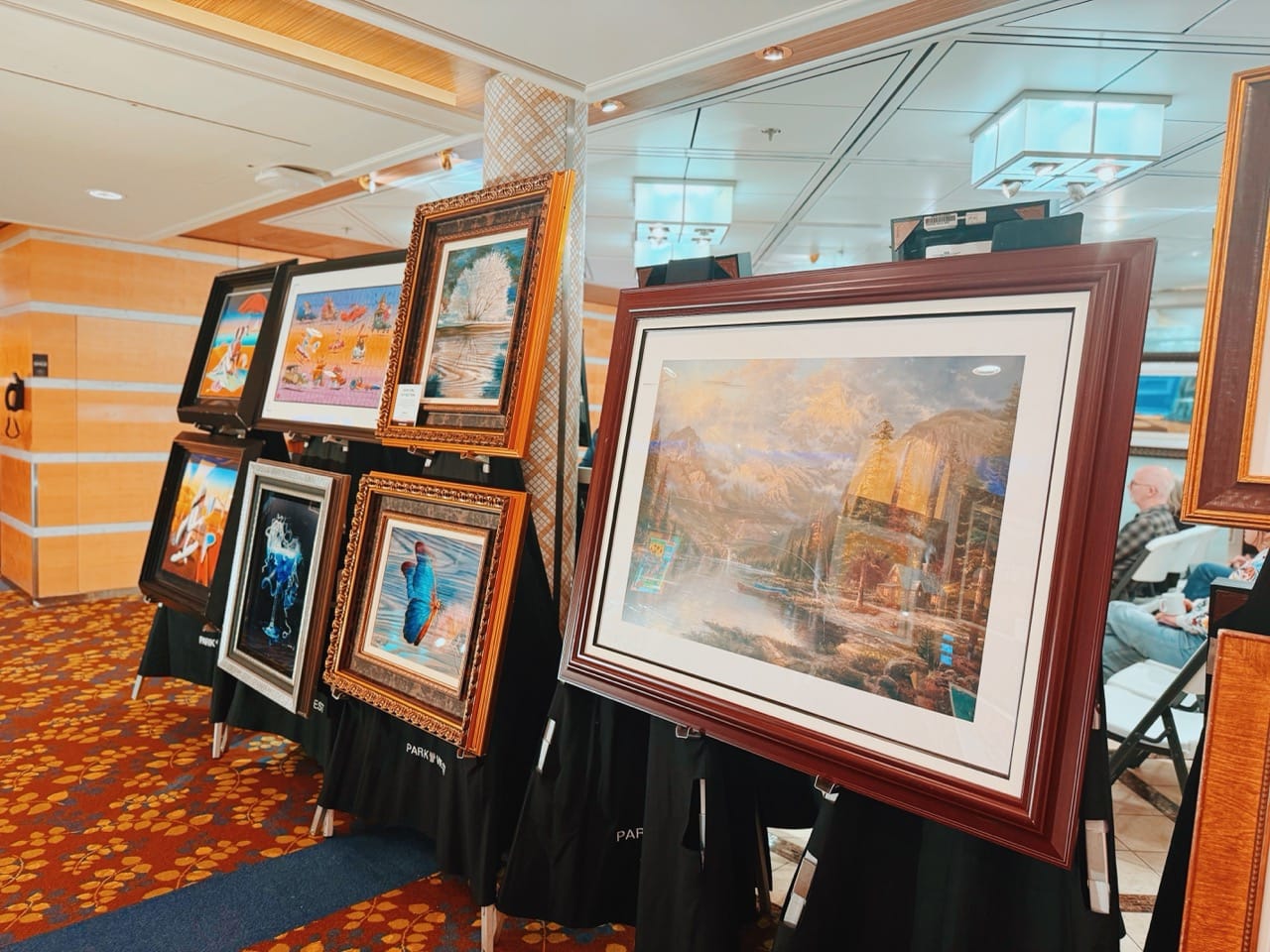
As we walked through the Park West art gallery onboard a cruise ship, my friend told me an unbelievable story about how her mom was scammed after purchasing artwork on a cruise.
During one of the onboard art auctions hosted by Park West, her mom purchased a large painting and later brought it home to have it appraised. According to my friend, the evaluator told her the artwork was not authentic and that she had ultimately been scammed.
The story got me thinking more about Park West and the controversy that has surrounded the company for years.
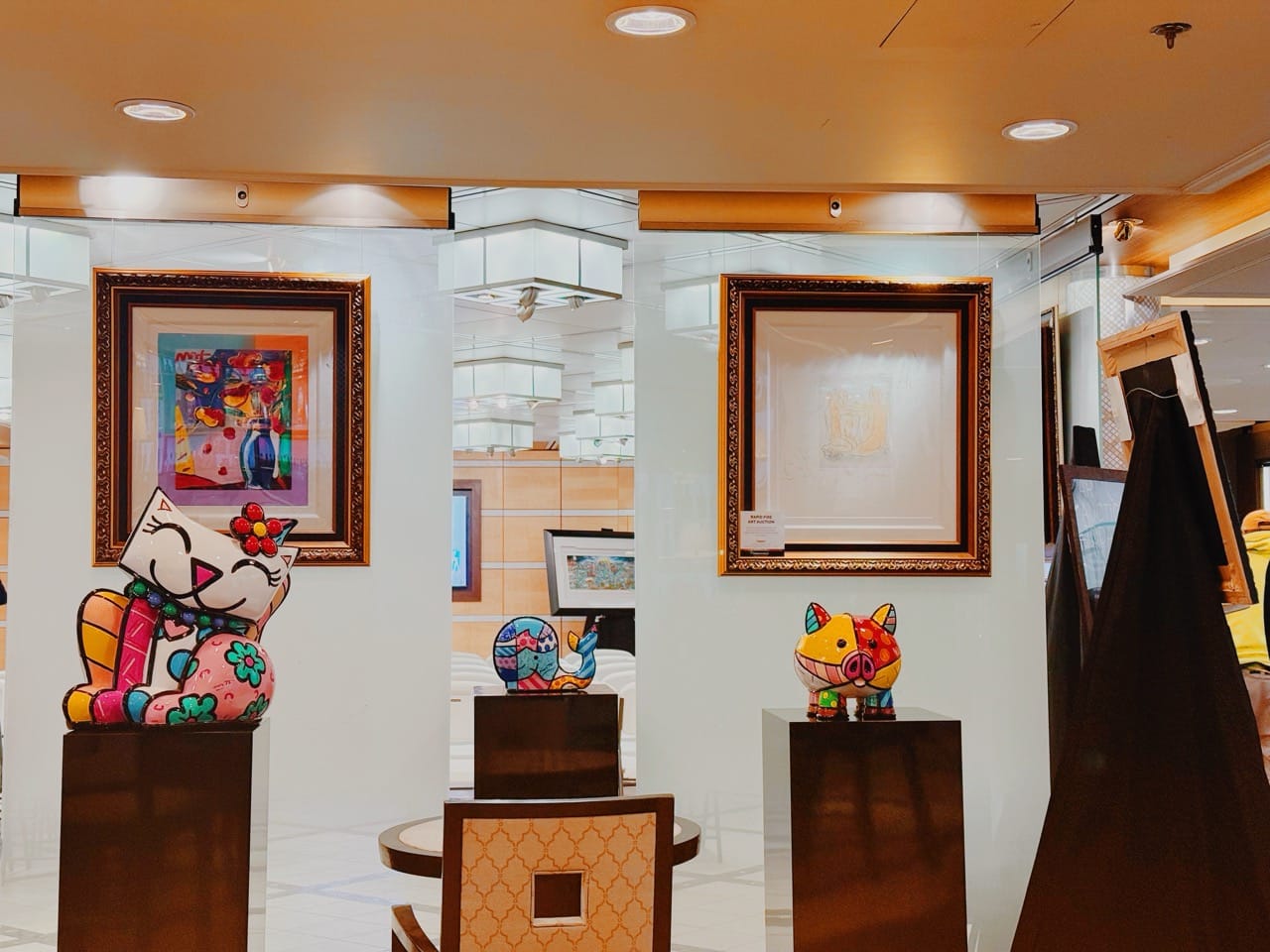
I’ve been cruising for over 20 years across 55+ sailings, yet the exact same company is on every cruise ship. Once you start noticing, you’ll see the same artwork, sculptures, and pieces across every single vessel.
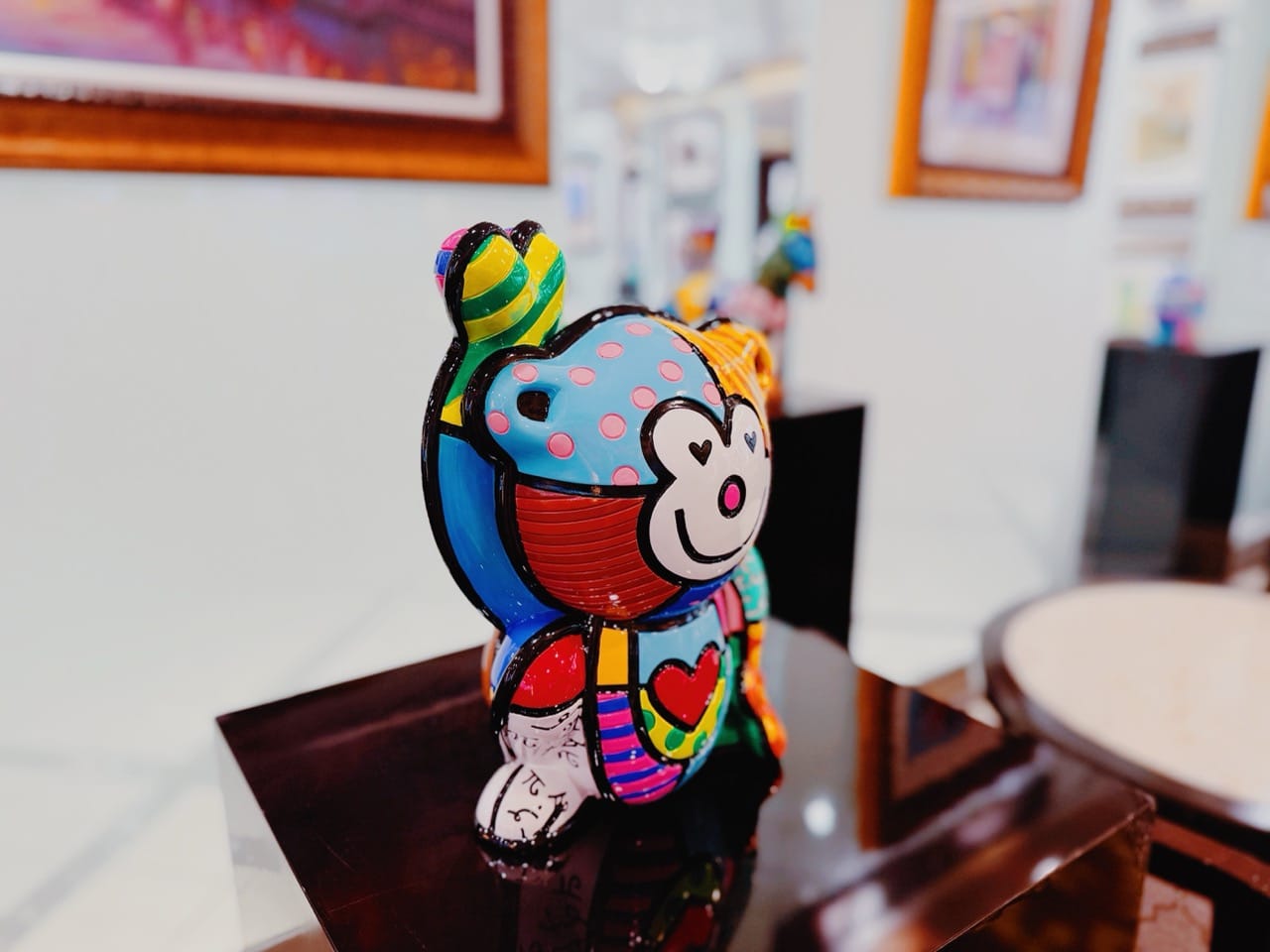
At first, I never thought much about cruise ship art auctions. These auctions just felt like another cruise activity, sitting somewhere between trivia, spa seminars, and shopping events. I always dismissed the advertisements and sales pitches, as I have absolutely no interest in purchasing art on a cruise.
In fact, I had almost forgotten about my friend’s crazy story with her parents being scammed by Park West Gallery. However, a recent headline brought the company to my attention again, including its questionable practices across the cruise industry.
Just recently, Park West Gallery made headlines in Australia for reportedly misleading some guests aboard. A Brisbane couple purchased a signed Muhammad Ali boxing glove during a cruise ship auction and later claimed the item they received was not the exact same glove displayed onboard.
According to reporting from Cruise Passenger, the couple noticed differences in the signature, markings, and serial number after the item arrived weeks later. Park West reportedly told the guests that display items shown onboard are sometimes not the exact pieces ultimately shipped to customers.
These are just two of many stories online from cruise passengers who say they felt scammed, misled, or disappointed after purchasing artwork through Park West Gallery. And after once again seeing Park West onboard my recent Norwegian Pearl cruise, I found myself wanting to dig deeper into the company’s longstanding relationship with the cruise industry.
Does Park West pay cruise lines?

Cruise ships operate like small cities where nearly every square foot has financial value. The gallery area could potentially become another bar, additional retail space, casino expansion, specialty dining seating, or other revenue-generating venues.
Instead, cruise lines continue dedicating space to art galleries.
Since 1993, Park West Gallery has operated art auctions aboard cruise ships and expanded into what is now the largest business in the cruise ship art auction industry. The company has sold artwork onboard major cruise lines, including Royal Caribbean, Norwegian Cruise Line, Carnival Cruise Line, Celebrity Cruises, Holland America Line, Disney Cruise Line, and Oceania Cruises.
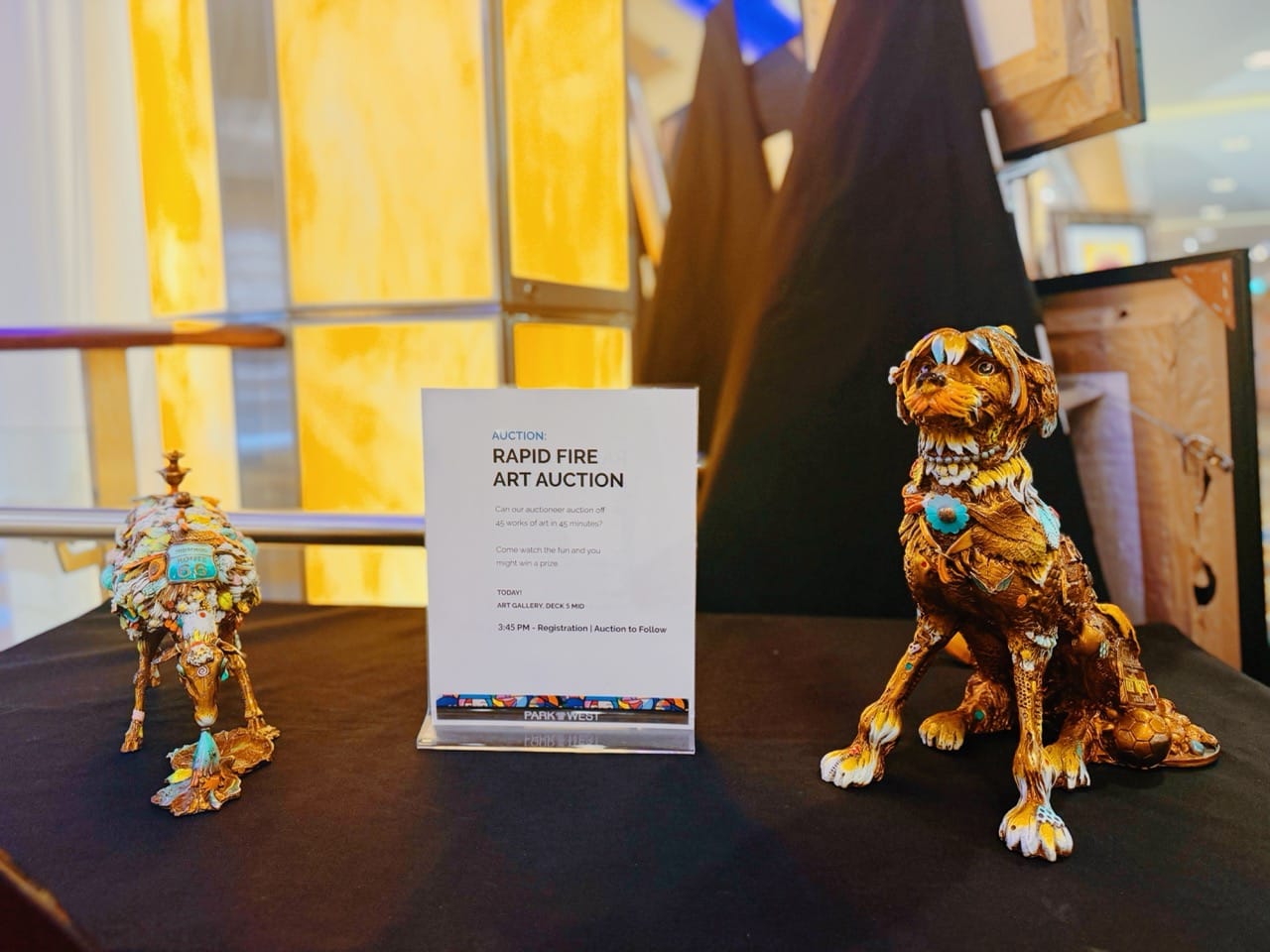
Park West is privately owned and does not publicly release detailed financial reports, but reporting over the years has estimated annual revenue exceeding $300 million, with roughly half of that revenue tied directly to cruise ship auctions. The company has also reported selling nearly 300,000 artworks annually through its cruise and land-based operations.
Public contract details between cruise lines and Park West are difficult to find, and cruise companies generally do not discuss concession agreements publicly. However, older reporting and legal filings tied to onboard art sales referenced cruise lines receiving portions of revenue generated through cruise ship auctions.
In an investigative article about cruise ship art auctions, Format Magazine writes:
Carnival, Holland America, Norwegian, Regent, Royal Caribbean, and Celebrity all use Park West, and all receive a cut of the revenue from the auctions—which seems to be a lot. Billing themselves as the world’s largest art gallery, either at sea or on land, Park West is a mainstay in the world of cruise ship auctions.
Whatever the exact financial structure looks like behind the scenes, the galleries continue earning space onboard while many other cruise concepts disappear after only a few years.
Cruise lines are businesses built around onboard spending, and concepts that fail to generate revenue or passenger interest rarely last long. Park West’s decades-long presence across multiple major cruise lines suggests the relationship continues providing financial value to both the gallery and the cruise companies themselves.
Park West’s history of legal disputes and criticism
Search Park West online and you quickly move beyond cruise forums into years of lawsuits, customer disputes, media investigations, and online complaints.
Although onboard WiFi has improved dramatically in recent years, cruise ship auctions historically operated in environments where passengers had limited ability to instantly research artwork values or compare pricing while bidding was actively taking place.
One of the most widely discussed controversies involved artwork associated with Salvador Dalí. In the late 2000s, several buyers sued Park West after purchasing Dalí works they believed were original, hand-signed pieces.
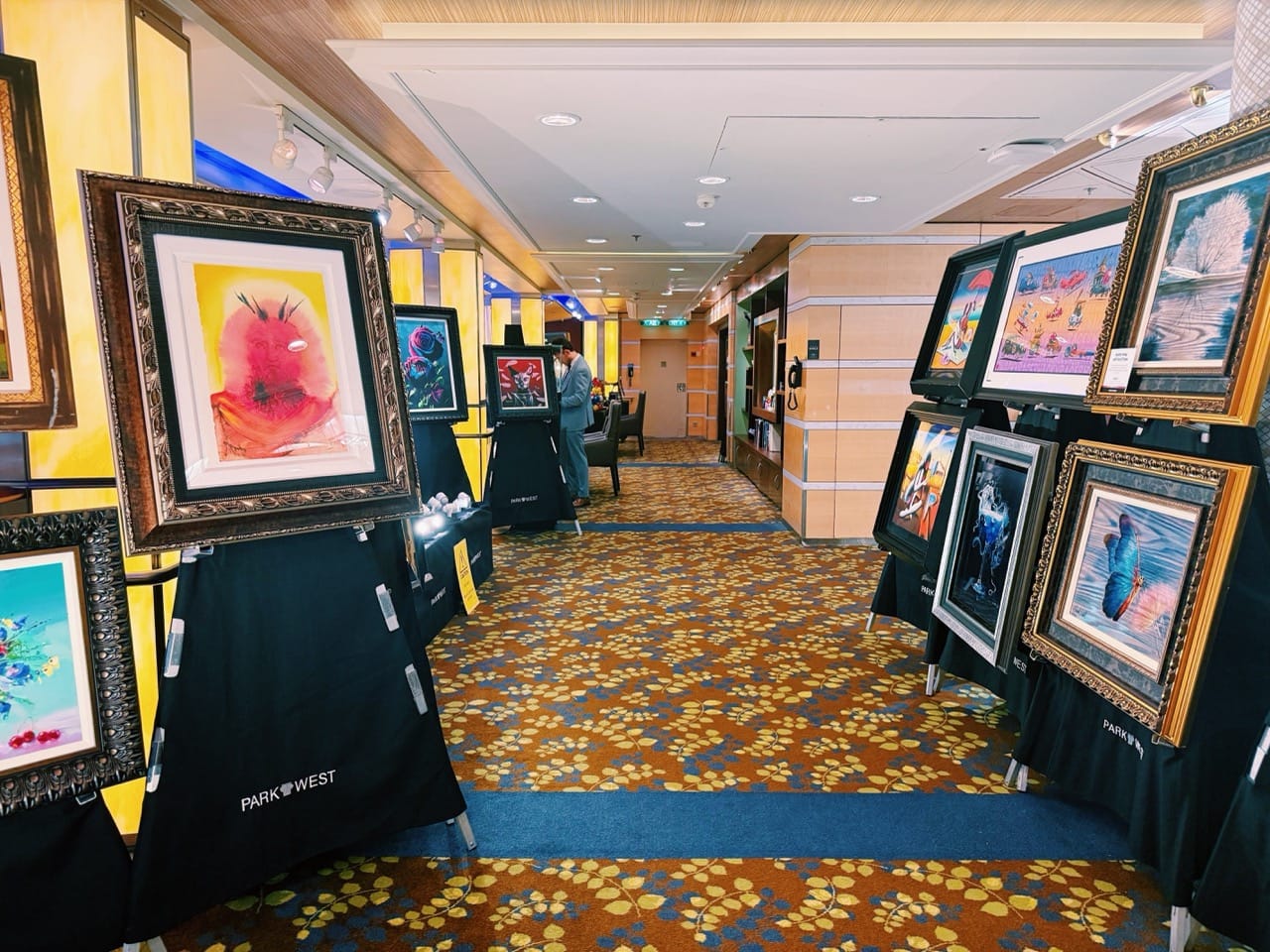
In one widely reported case, a Michigan woman alleged she spent approximately $165,000 on Dalí artwork later claimed to be forged. Park West disputed the allegations and maintained the artwork had been properly represented.
Other lawsuits focused heavily on valuation differences. One cruise passenger reportedly paid nearly $24,265 for a Picasso print after allegedly being advised it was a strong investment, only to later discover the same print had reportedly sold through Sotheby’s for approximately $6,150 just a few years earlier.
Another highly publicized case involved California passenger Luis Maldonado, who reportedly spent nearly $73,000 on three Dalí prints that he believed were valued at more than $100,000. After returning home and researching the pieces himself, he later alleged the prints were actually worth less than $10,000.
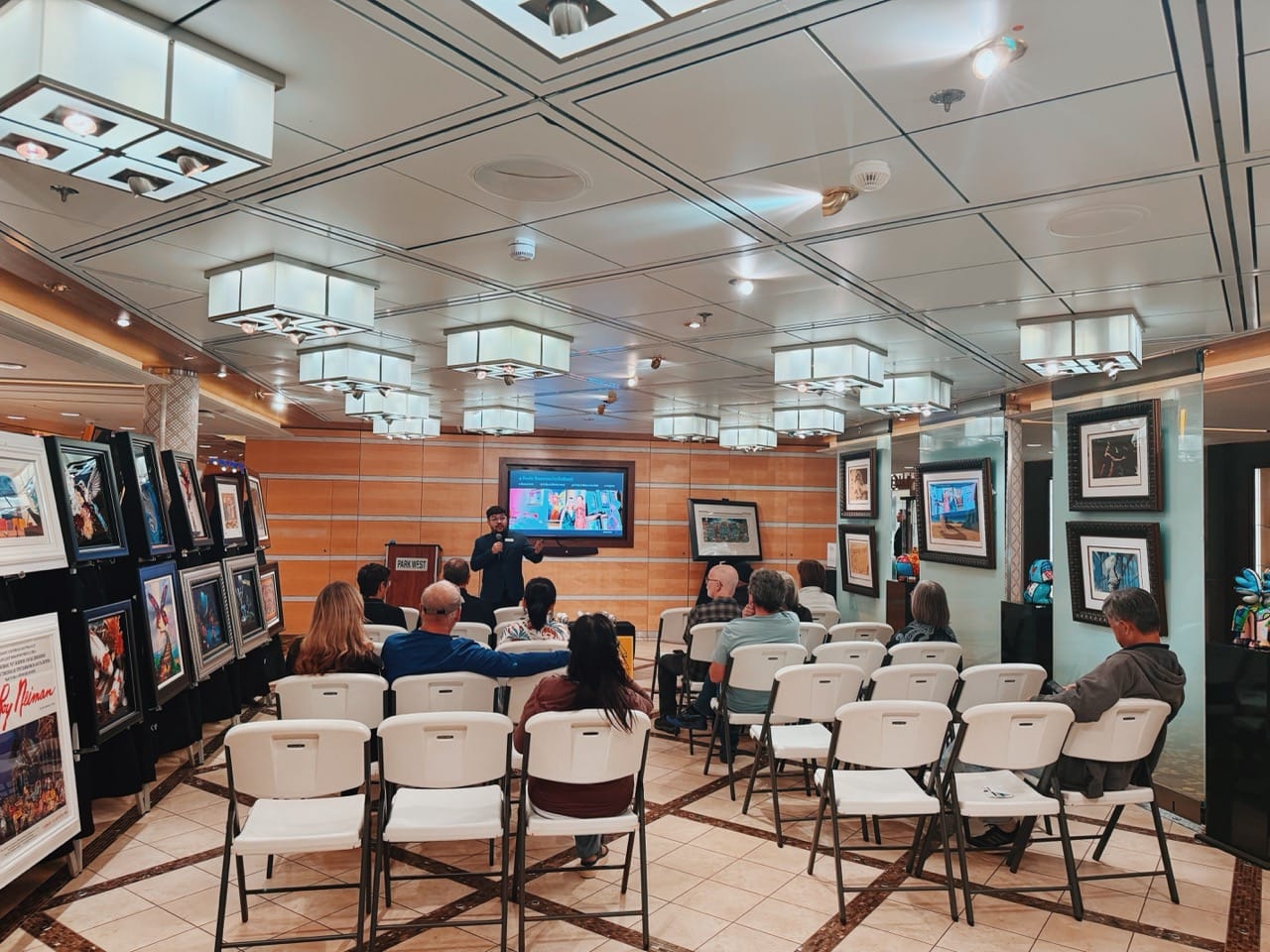
A separate New Jersey lawsuit focused on allegations tied to bidding practices during onboard auctions. Plaintiffs argued the auction environment created misleading perceptions surrounding bidding activity and artwork value. Park West denied wrongdoing, and the case became one of several legal disputes tied to how cruise ship art auctions operated.
Online reviews also include passengers describing damaged shipments, delayed deliveries, framing disputes, and appraisals that came back significantly lower than expected.
One reviewer quoted in the Cruise Passenger reporting claimed they spent more than $100,000 on artwork before later receiving an appraisal of roughly $6,800 after reassessing the collection following the death of a partner.
Other passengers described receiving different numbered editions than the pieces shown onboard or learning that display pieces were not necessarily the exact items ultimately shipped.
Are passengers buying investments or vacation memories?
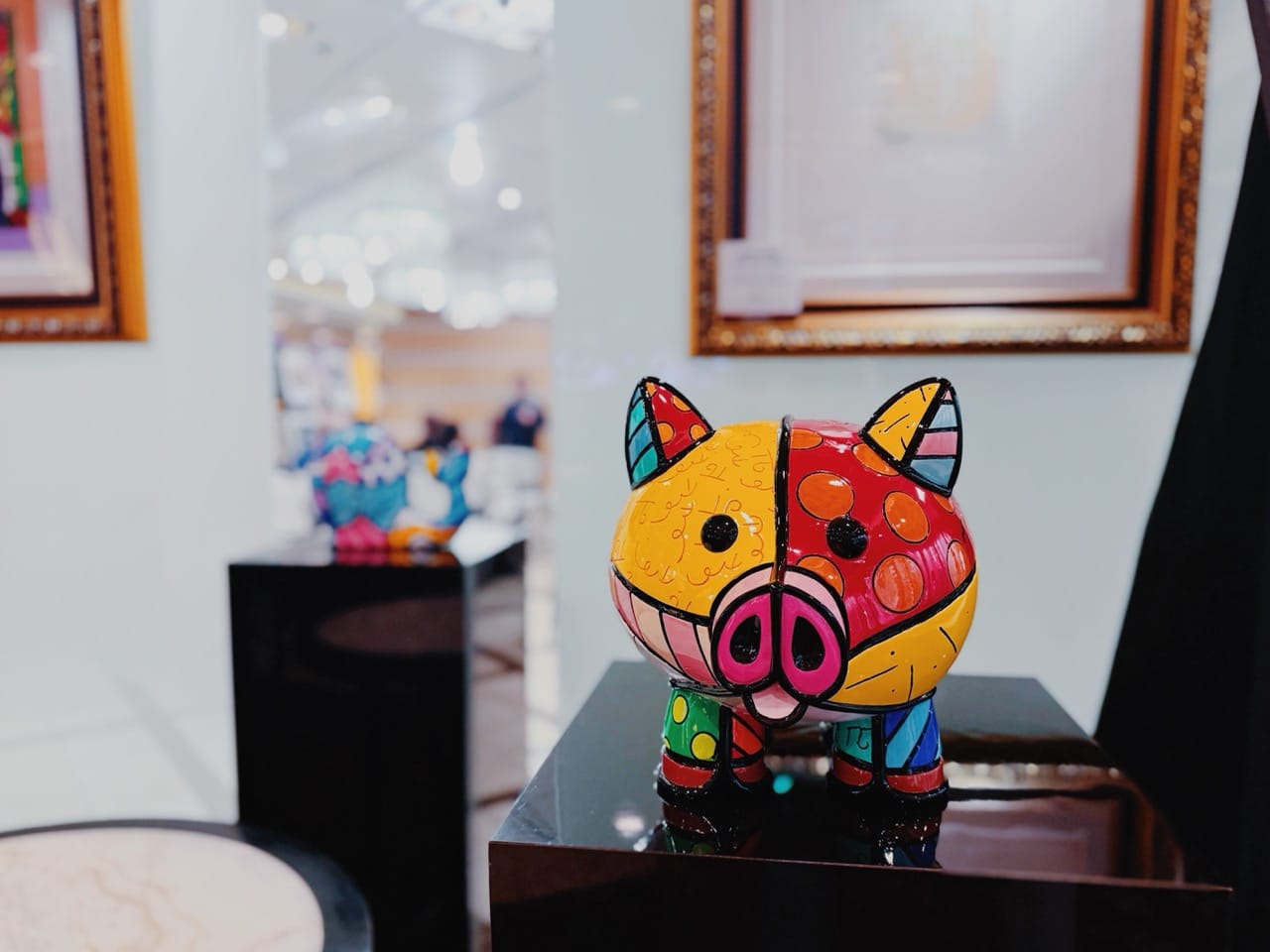
One of the biggest themes that repeatedly surfaced during research was the disconnect between why passengers purchase artwork onboard and what they expect after returning home.
Many stories follow a similar pattern. Someone attends an auction out of curiosity, enjoys the presentation, and has a few glasses of complimentary champagne. The passenger feels connected with a piece emotionally, and only later begins researching appraisals, resale markets, artist histories, or comparable sales prices.
This is often where expectations start to shift. Art does not behave like traditional retail, and cruise ship auctions operate differently from established auction houses like Christie’s or Sotheby’s. Retail value, replacement value, insurance value, and secondary market value are not necessarily the same thing.
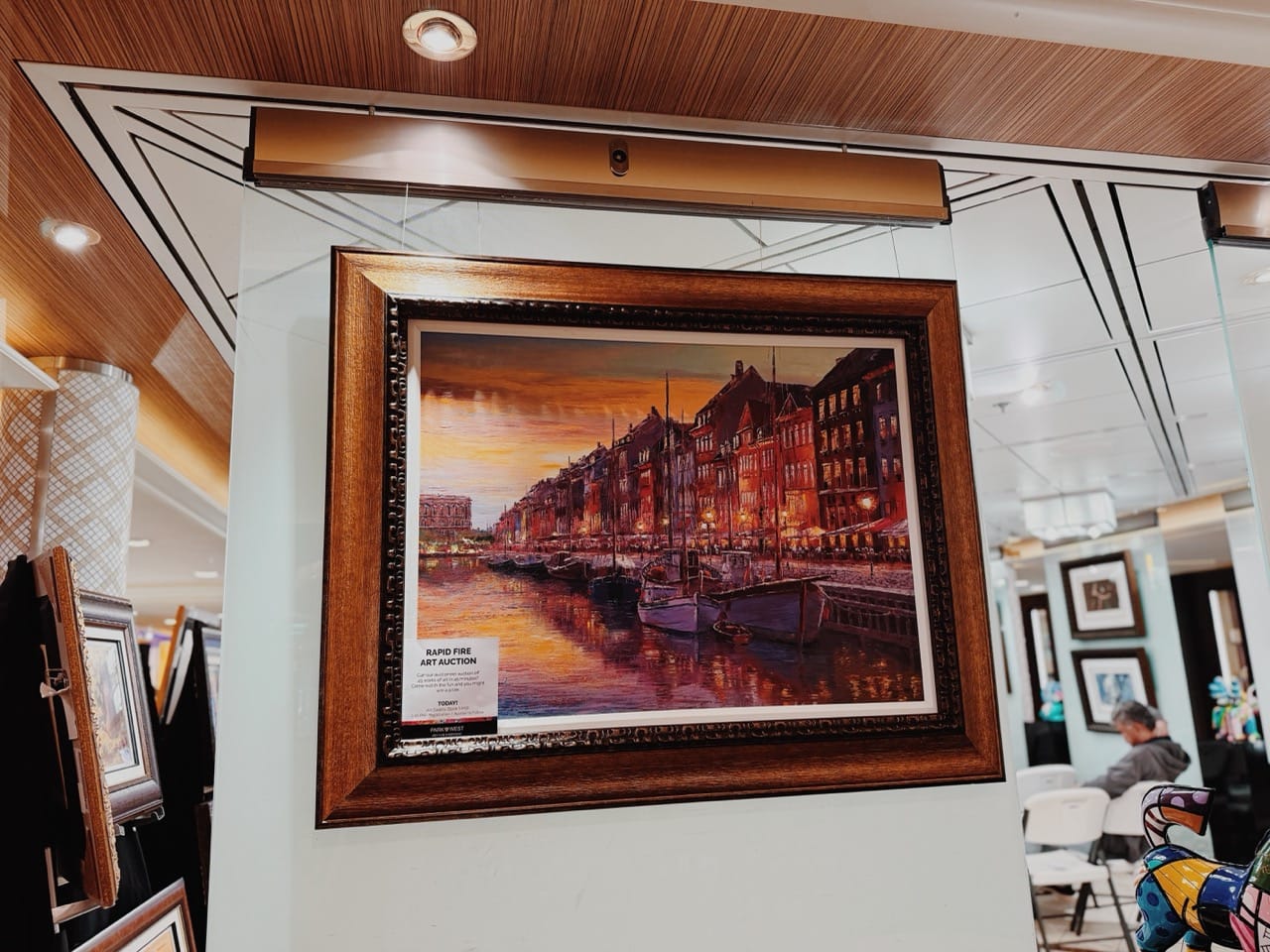
A piece can be authentic, signed, and legitimately purchased while still having limited resale demand. This distinction appears frequently in online complaints involving Park West. Several lawsuits and customer disputes centered around buyers later discovering comparable pieces selling for dramatically lower amounts elsewhere.
In this way, passengers described receiving appraisals much lower than what they originally paid onboard. Other reviewers claimed they misunderstood the difference between originals, limited editions, lithographs, giclées, and reproductions.
At the same time, many buyers appear perfectly satisfied with their purchases because they never viewed the artwork primarily as a financial investment.
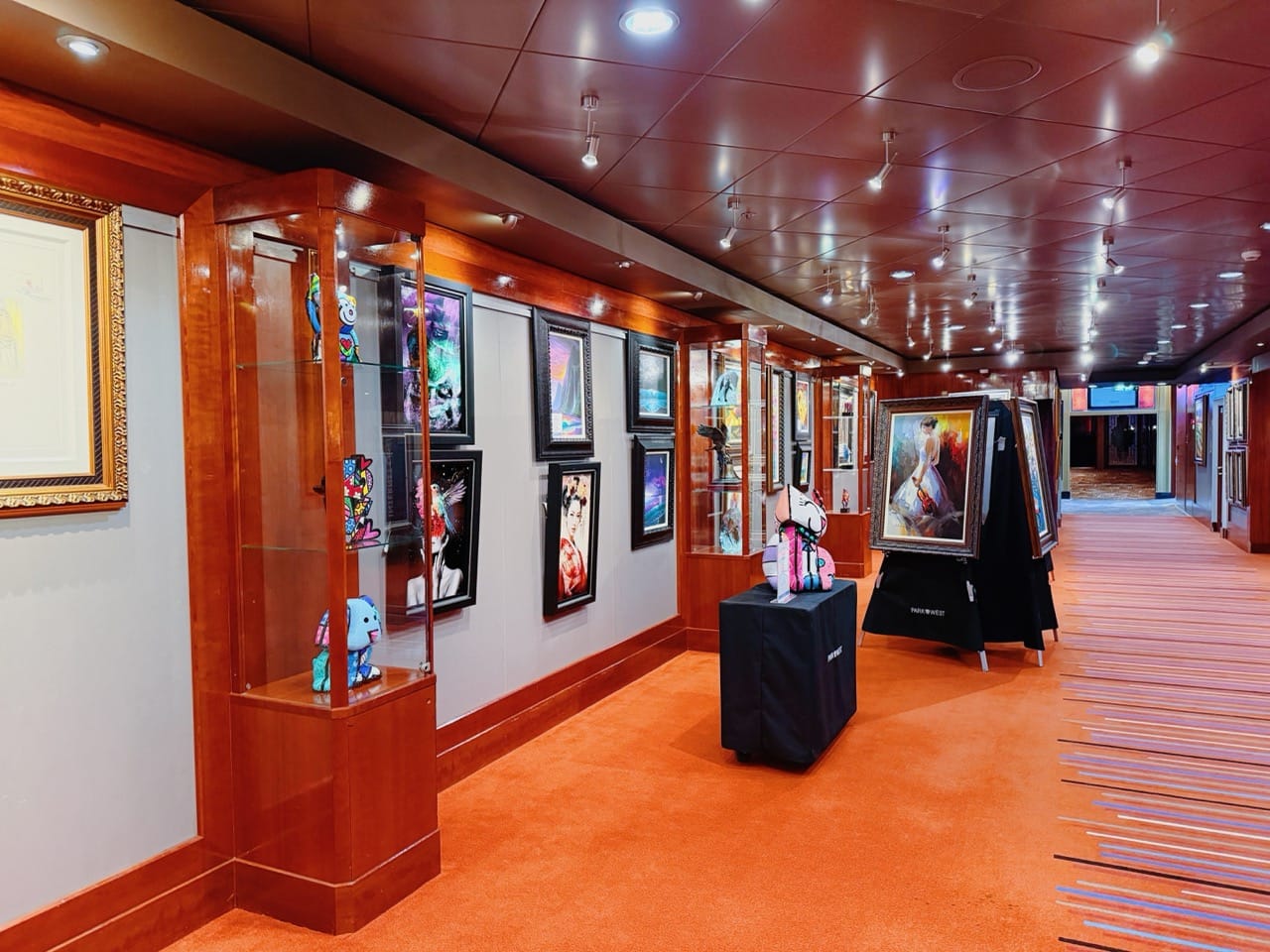
For some travelers, the artwork becomes a souvenir tied to a specific trip, much like cruise photos, jewelry, or keepsakes brought home from a vacation. In fact, Park West frequently frames onboard artwork as part of the vacation experience rather than strictly as a financial investment.
In a 2018 interview published on Norwegian Cruise Line’s official travel blog, the company described cruise ship art as “the ultimate of all vacation souvenirs” and emphasized helping passengers bring home a reminder of their trip.
Consumer psychology may help explain why cruise art feels different
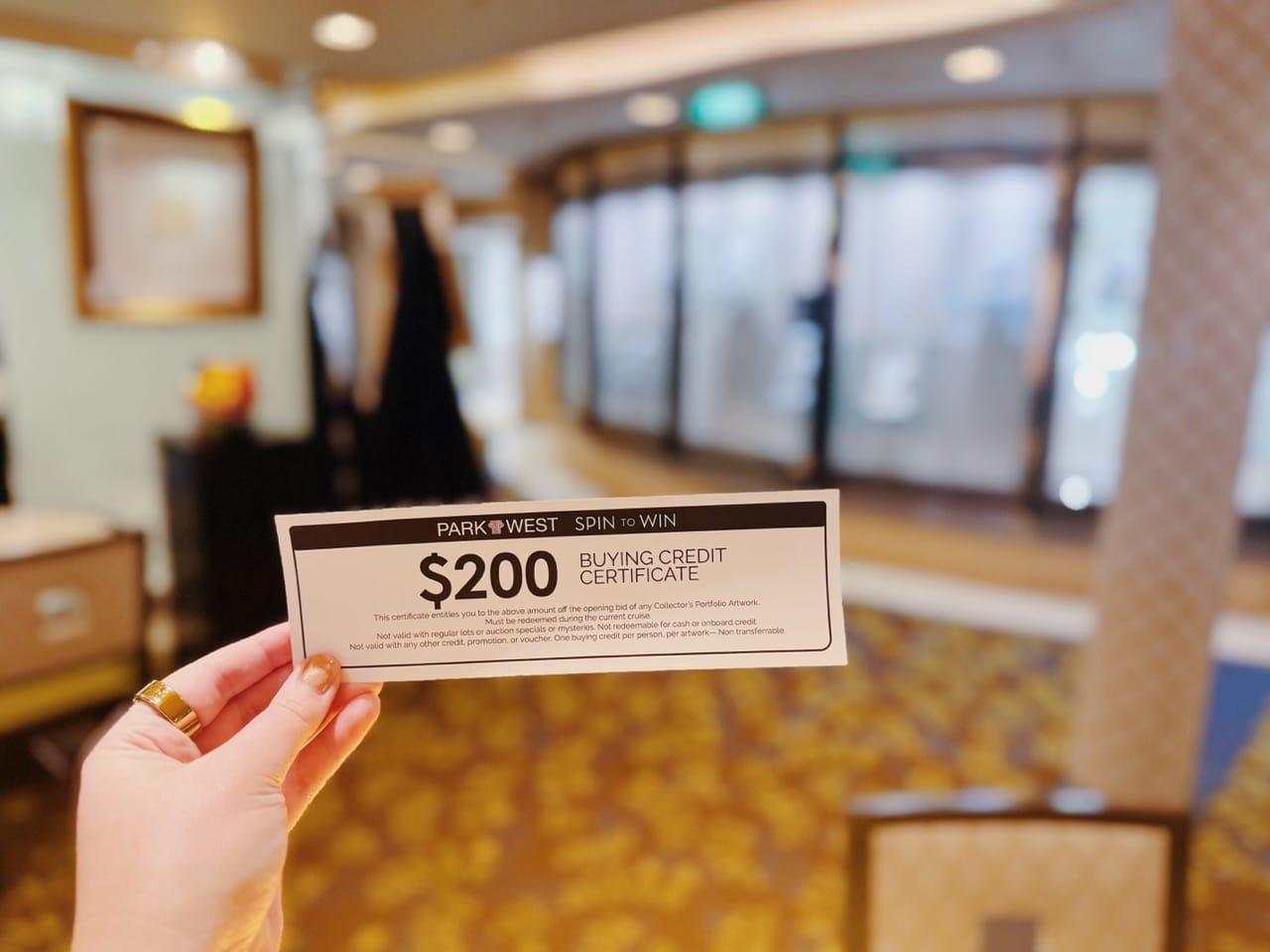
Cruise ship art galleries operate in a very different environment than traditional galleries or auction houses on land. Part of the reason may come down to consumer psychology and the unique atmosphere created onboard a cruise ship.
Researchers have repeatedly found that scarcity cues, urgency, and limited-time opportunities can influence purchasing behavior. One meta-analysis examining 416 effect sizes across 131 studies concluded that scarcity messaging can significantly affect purchase intentions, particularly when consumers perceive opportunities as exclusive or time sensitive.
Cruise ship art auctions naturally contain several of those elements. Passengers attend events that only exist during the sailing. Artwork is frequently presented as limited edition, exclusive, or available only through the onboard gallery. Guests also know they will eventually leave the ship, which creates a built-in sense of urgency around purchasing decisions.
Moreover, researchers studying tourism behavior have also found that vacations influence emotions, decision-making, and spending patterns. Travel removes people from their normal routines and places them in environments centered around novelty, enjoyment, and emotional experiences.
Cruises already encourage this type of spending behavior in multiple ways. There are endless ways for cruisers to spend money onboard, which is a crucial revenue stream for cruise lines.
Passengers purchase photos because they want to preserve memories. They reserve specialty restaurants for celebratory evenings. Shore excursions become stories they tell for years afterward.
Art fits naturally into that same ecosystem. For many passengers, the purchase becomes tied to the experience of the trip itself rather than purely the financial value of the artwork
Why has Park West survived while other cruise concepts disappeared?
The simplest explanation may also be the most obvious: money.
Modern cruise lines depend heavily on onboard spending to drive profitability beyond the cruise fare itself. Industry reporting has repeatedly shown that onboard purchases now account for roughly 30% to nearly 40% of total cruise revenue.
Spending is tied to casinos, drink packages, specialty dining, retail, shore excursions, spas, and other onboard experiences, becoming increasingly important to cruise line earnings.
In recent years, cruise companies have openly highlighted onboard spending growth in earnings reports. According to Cruise Industry News, Norwegian Cruise Line Holdings reported onboard spending of approximately $126.85 per passenger per day during part of 2024.
Similarly, Royal Caribbean Group reported roughly $92 per passenger per day, and Carnival Corporation reported more than $83 per passenger per day.
Essentially, cruise lines aggressively optimize ships around onboard revenue opportunities. Every venue onboard is expected to justify the space it occupies.
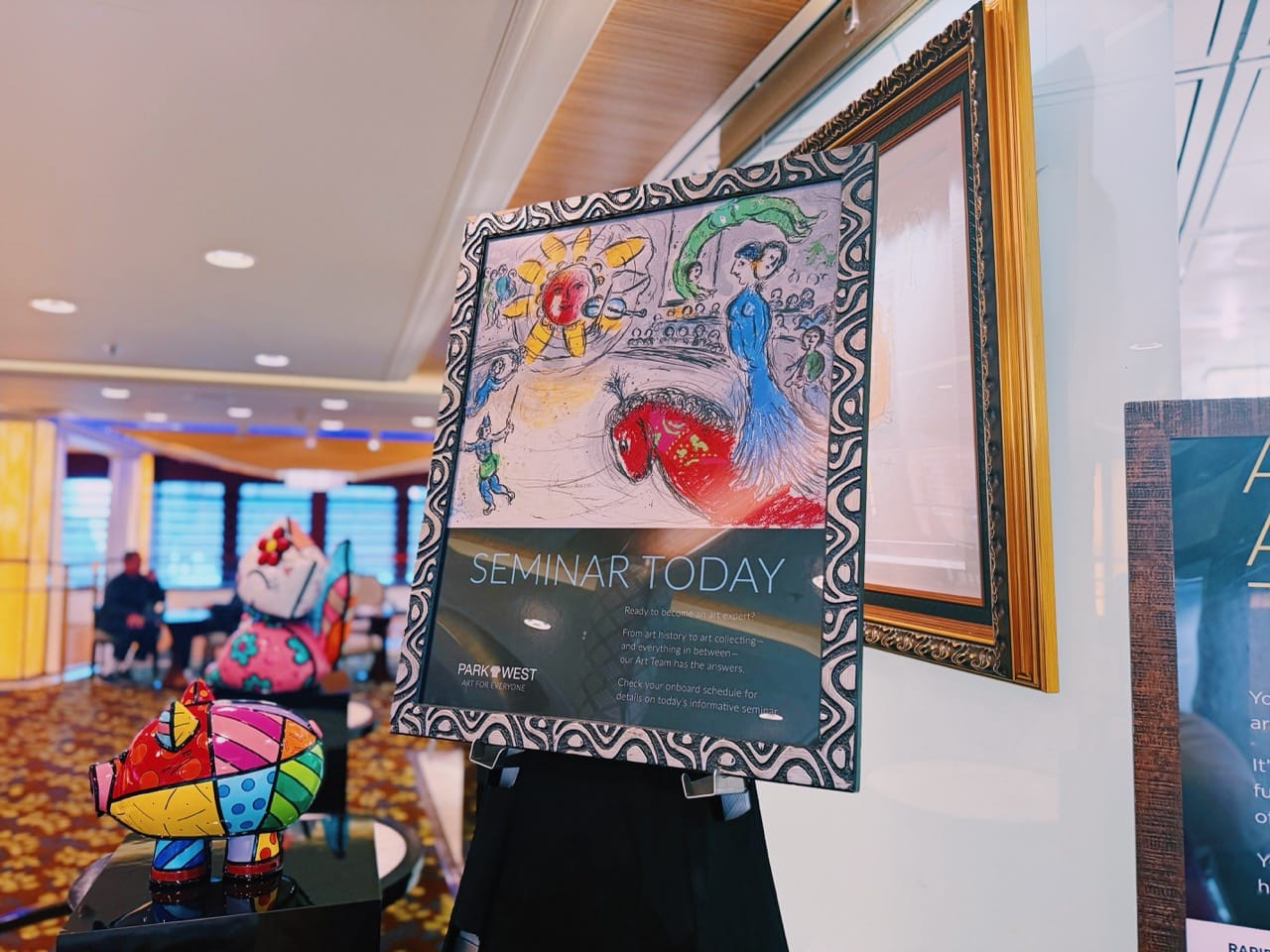
Cruise lines routinely remove concepts that fail to generate enough passenger engagement or spending. Restaurants are replaced, bars are redesigned, retail spaces are reworked, and entertainment offerings constantly evolve based on revenue performance and passenger demand.
And yet, Park West has remained onboard cruise ships for decades.
This longevity strongly suggests the galleries continue generating meaningful financial value for both the cruise lines and Park West itself. Cruise companies are highly data-driven businesses, and concepts that fail to produce enough passenger engagement or onboard revenue rarely survive long-term.
At the same time, the company remains one of the most controversial businesses operating at sea. Years of lawsuits, disputed appraisals, customer complaints, online debates, and media investigations have created an unusually persistent level of scrutiny surrounding cruise ship art auctions.
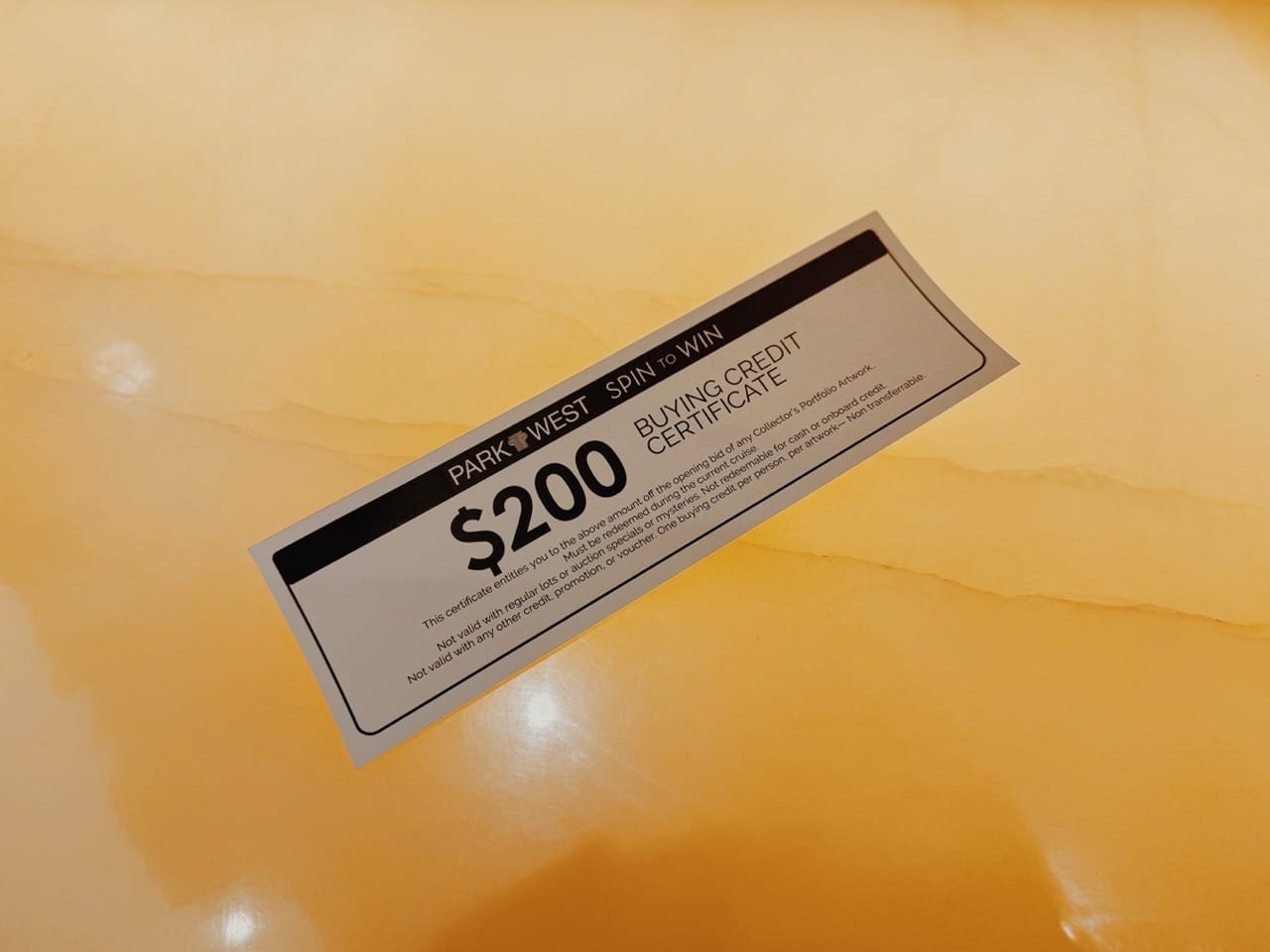
After researching Park West in-depth, the story ultimately felt less about whether cruise ship art is “real” and more about how vacations influence spending, emotion, and perception of value.
For some passengers, the artwork becomes a meaningful reminder tied to a special trip, milestone celebration, or family vacation. For others, the experience later raises difficult questions involving pricing, resale value, or authenticity.
At the same time, cruise lines continue benefiting from the business itself. Onboard spending has become one of the most important revenue streams across the cruise industry, and art auctions have proven capable of generating both passenger engagement and high-dollar purchases inside a relatively small footprint onboard.
Park West capitalizes on the emotional and psychological environment created during vacations, while cruise lines benefit from maintaining another profitable onboard revenue source. And until either of those becomes unprofitable, you can expect to see Park West on your next cruise ship.