Norwegian Cruise Line (NCL) has notified guests and travel partners that two passengers who had recently cruised aboard Norwegian Epic were diagnosed with Legionnaires’ disease. The diagnosis has prompted an ongoing investigation supported by the Centers for Disease Control and Prevention (CDC).
In an email sent to impacted passengers, Norwegian Cruise Line emphasized that guest safety remains the top priority. As part of its standard health and sanitation protocols, the cruise line shared it’s fully cooperating with the CDC. The email was shared online on the Norwegian Cruise Line (NCL) Latitude Members page on Facebook.
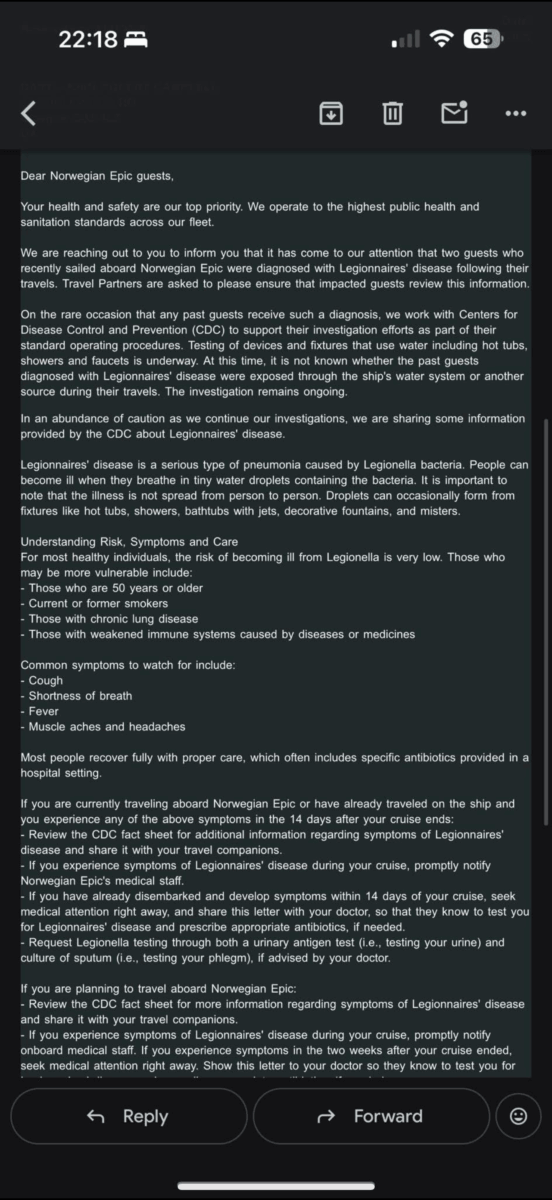
According to the email, two guests who recently traveled aboard Norwegian Epic were diagnosed with Legionnaires’ disease following their trip.
Norwegian Cruise Line explains that it’s not yet known whether they were exposed to the bacteria on board or elsewhere during their travels.
“We operate to the highest public health and sanitation standards across our fleet,” the email reads. “On the rare occasion that any past guests receive such a diagnosis, we work with the CDC to support their investigation efforts.”
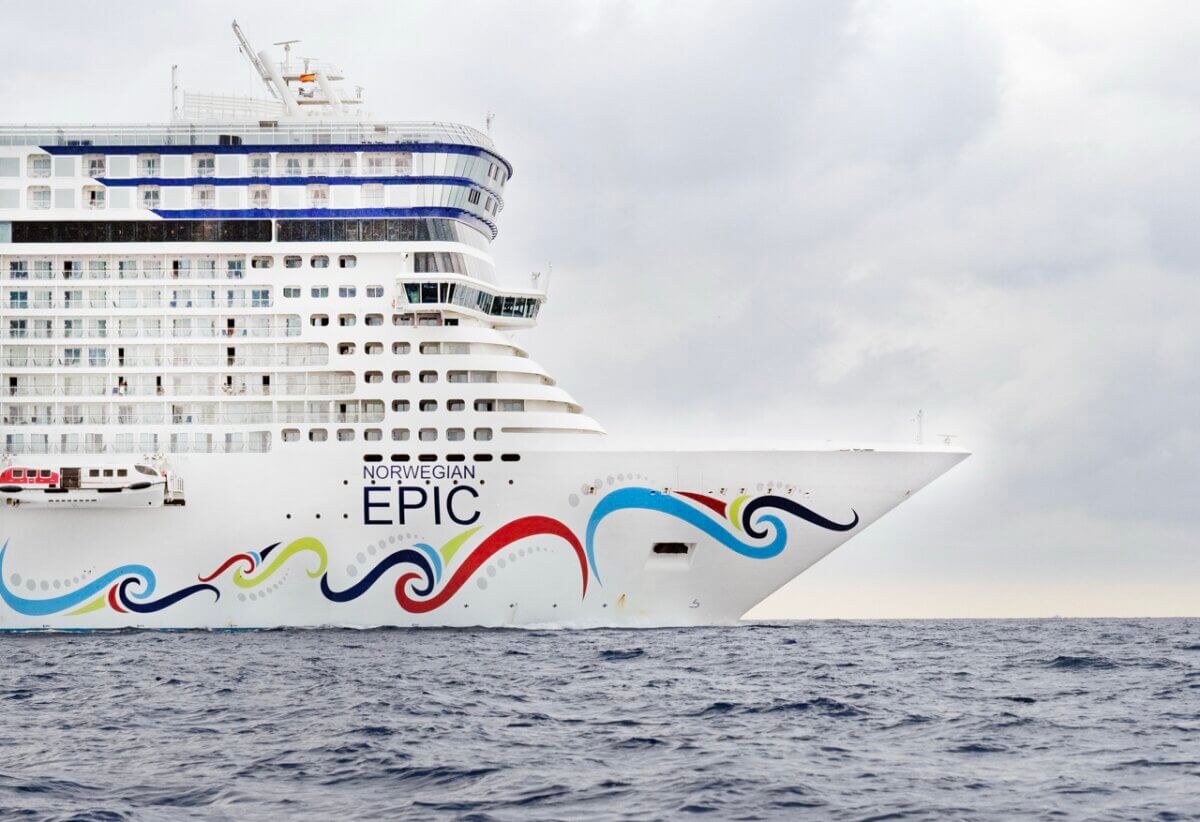
Testing of shipboard water systems, including hot tubs, showers, and faucets, is currently underway aboard NCL Epic.
Currently, Norwegian Epic is sailing a 12-day voyage sails from Civitavecchia (Rome) to Lisbon, visiting ports in Italy, Spain, and Morocco, including Florence, Naples, Sicily, Ibiza, Barcelona, Cartagena, Malaga, Cadiz, and Tangier.
What is Legionnaires’ disease?
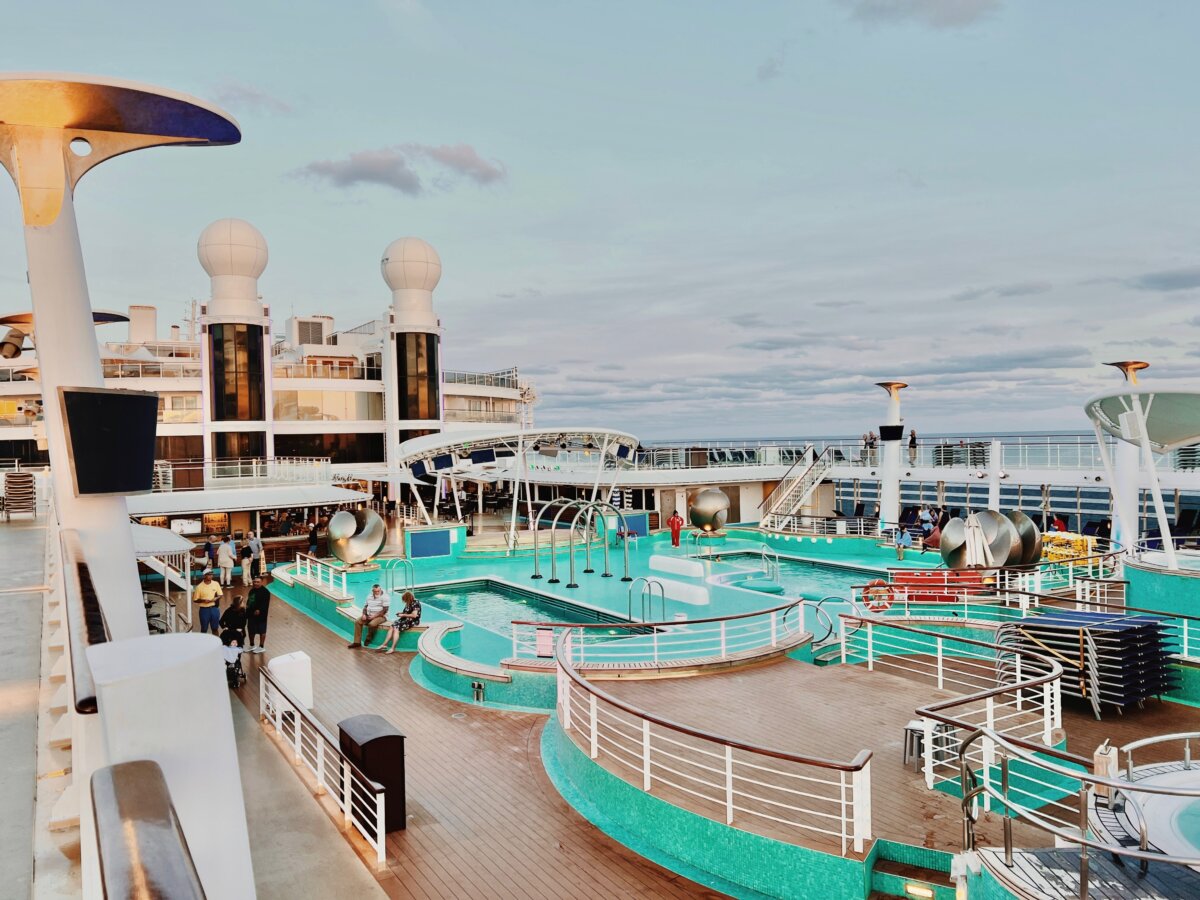
Legionnaires’ disease on a cruise ship is rare, but not unheard of. Each year, only a few isolated cases are reported globally across all cruise lines.
When a case is detected or even suspected, it is standard procedure for cruise lines to issue proactive communication, coordinate with the CDC, and provide clear guidance for passengers. This usually includes detailed information about testing and symptom monitoring.
Legionnaires’ disease is a severe form of pneumonia caused by Legionella bacteria. These bacteria occur naturally in freshwater environments but can multiply in warm, stagnant water if disinfection or temperature controls lapse, even briefly.
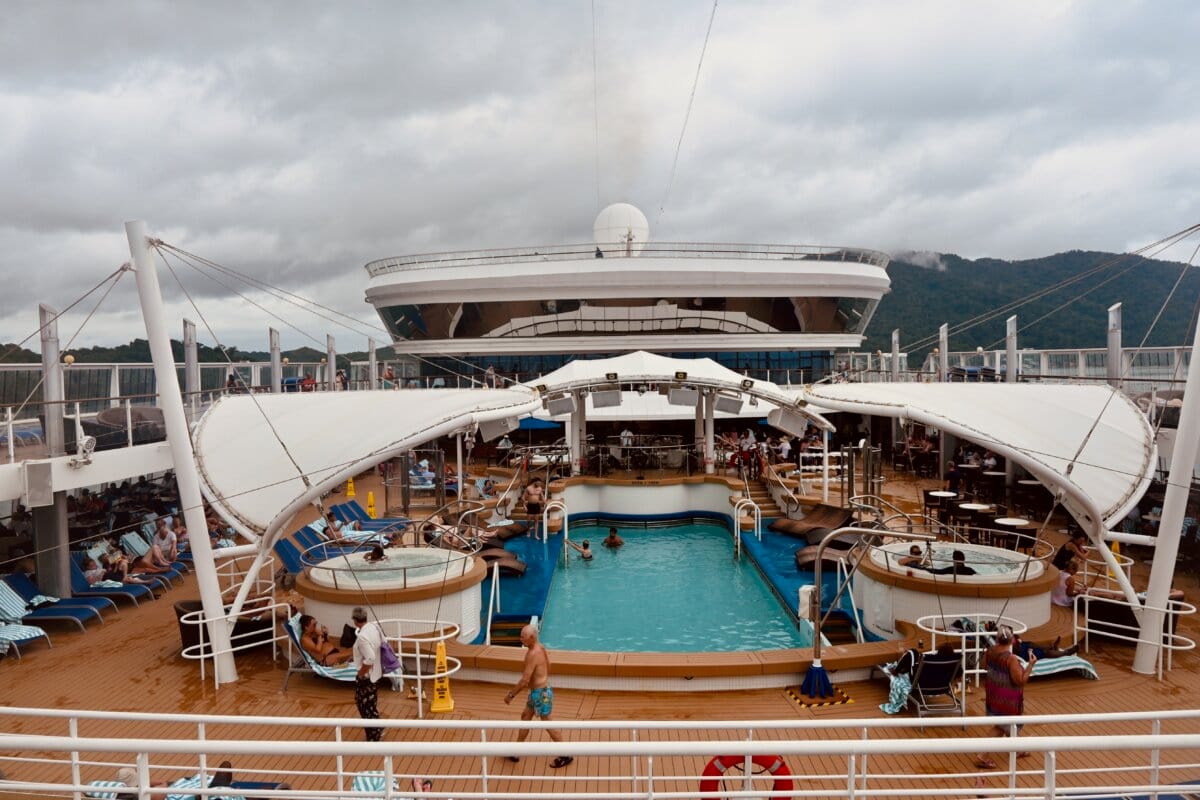
Infection occurs when a person inhales tiny water droplets containing the bacteria, commonly produced by showers, hot tubs, decorative fountains, or cooling systems. The illness is not contagious and cannot spread from person to person.
The disease primarily affects older adults and people with weakened immune systems. According to the CDC, those over 50 years old, current or former smokers, and individuals with chronic lung conditions face a higher risk of infection.
Symptoms typically develop within two to 14 days after exposure and often resemble other types of pneumonia. The most common symptoms include persistent cough, shortness of breath, fever, muscle aches, and headaches.
With prompt diagnosis and treatment, which usually involves hospitalization and antibiotic therapy, most people make a full recovery. Early detection is key to preventing serious complications.
Precautionary measures for NCL Epic passengers
Norwegian Cruise Line advised guests who recently sailed on Norwegian Epic to monitor their health for 14 days after disembarking and seek medical care if symptoms develop.
The cruise line also urged travelers to notify the ship’s medical staff immediately if symptoms appear during a cruise. Guests with symptoms should also inform their doctor after travel so appropriate testing can be performed, including urinary antigen tests or sputum cultures for Legionella bacteria.
For guests booked on upcoming Norwegian Epic sailings, the cruise line recommended reviewing CDC fact sheets about the disease and sharing them with travel companions.
Ongoing CDC investigation for NCL Epic
The CDC’s Vessel Sanitation Program (VSP) routinely collaborates with cruise lines to monitor and investigate potential cases of Legionnaires’ disease.
Investigations typically involve testing water systems, spas, and other fixtures that could generate aerosolized water droplets.
As of now, Norwegian Cruise Line has not confirmed any link between the cases and the ship’s water systems. The company stated that its investigation is ongoing and that it is taking “an abundance of caution” in coordination with the CDC.
About NCL Epic
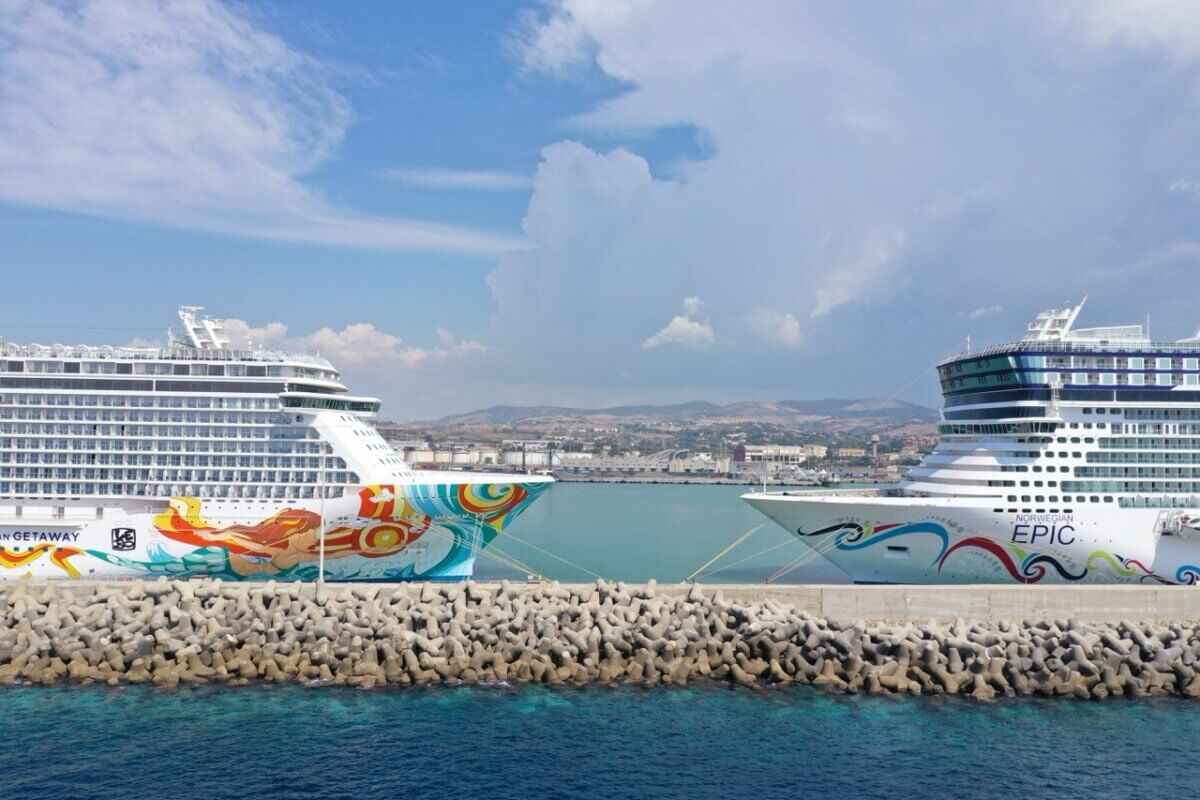
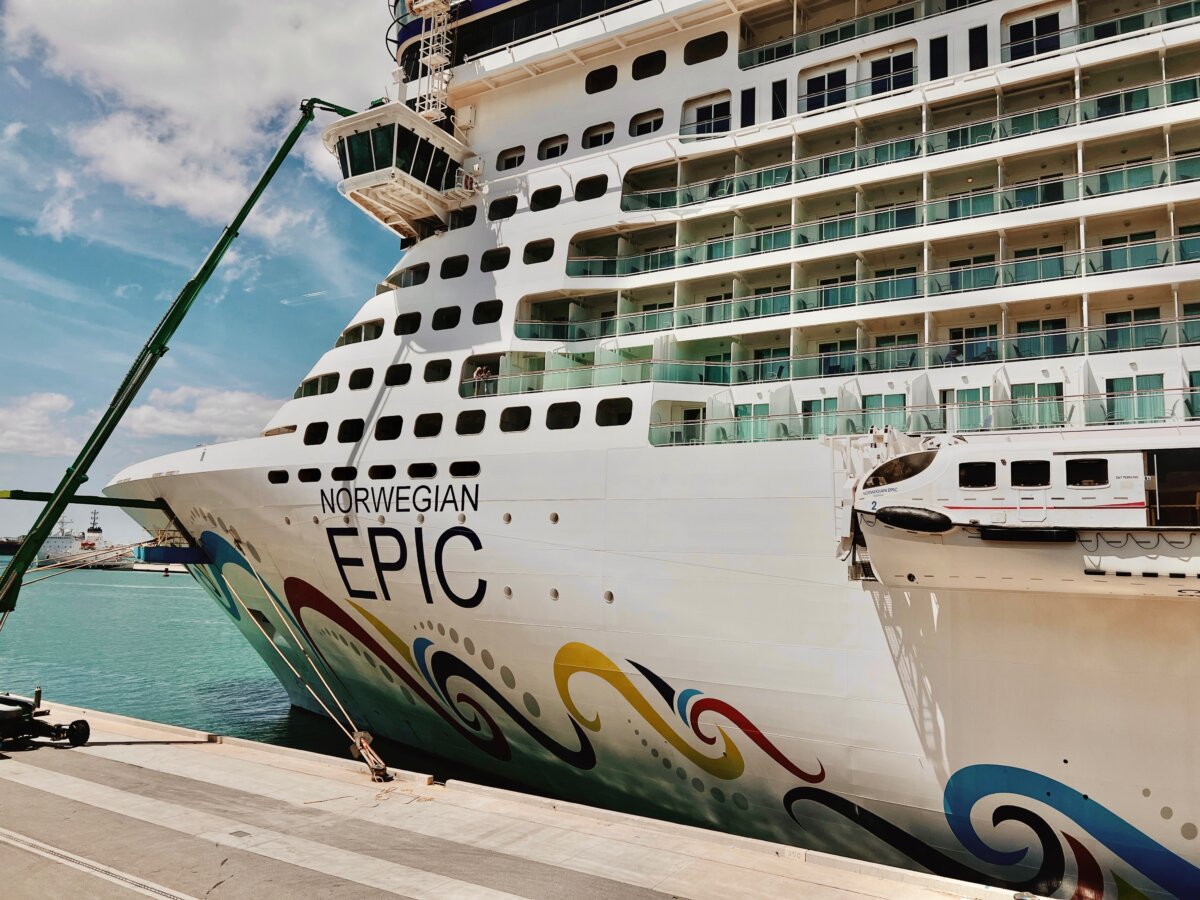
Norwegian Epic is a flagship vessel of Norwegian Cruise Line, launched in 2010 and built for the freestyle cruising experience.
The 155,873-gross-ton Norwegian Epic accommodates more than 4,100 passengers, making it one of the biggest vessels in Norwegian’s fleet. The vessel is known for its distinctive onboard attractions, including the Spiegel Tent dinner show, the Ice Bar, and a water park.
Typically, Norwegian Epic spends summers sailing in the Mediterranean and winters in the Caribbean. Over the years, the flagship vessel has also drawn attention for occasional issues such as mechanical problems, itinerary changes, and passenger criticism of its unconventional stateroom bathroom design.
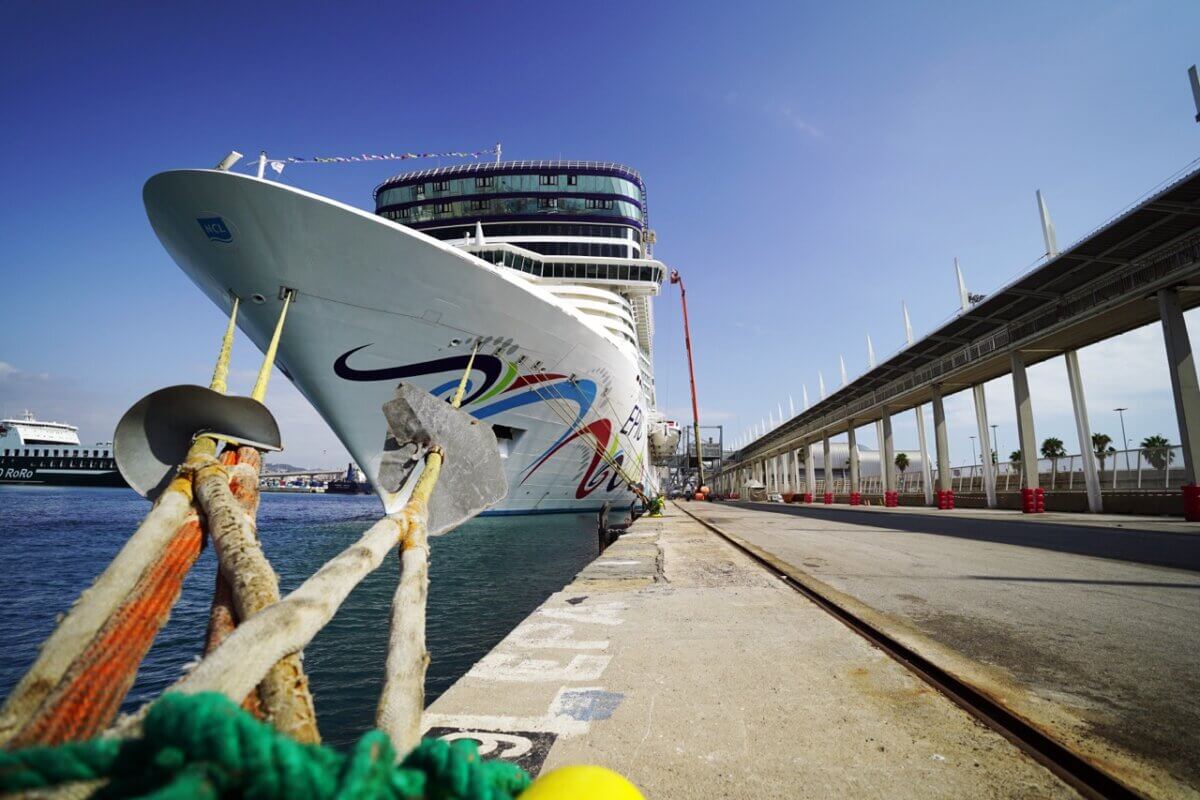
Norwegian Epic also made headlines in October 2025 while sailing in the Mediterranean. On October 22, 2025, while cruising from Civitavecchia (Italy) to the Greek Islands, Norwegian Epic diverted to assist a distress situation in the Ionian Sea.
Under the direction of the Hellenic Coast Guard, the ship rescued 63 individuals from an overcrowded sailboat approximately 65 nautical miles southwest of the island of Zakynthos.