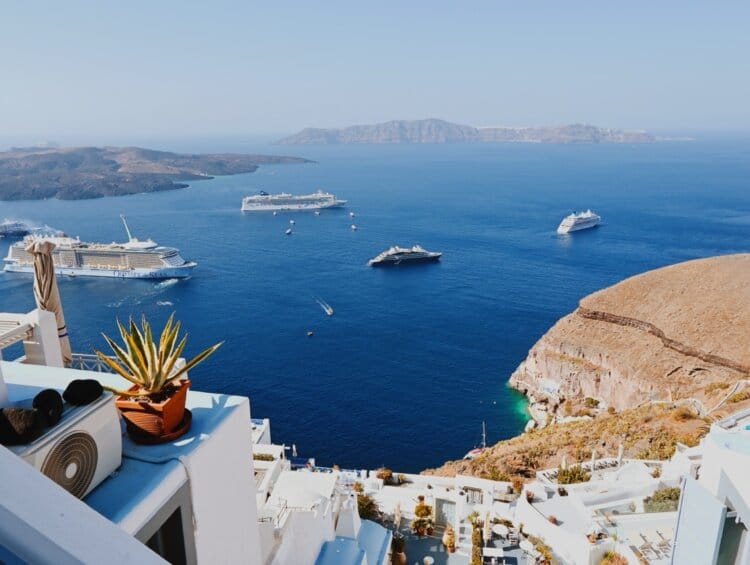
Santorini quietly approved a new cruise passenger distribution plan that could change how visitors arrive at one of Europe’s most popular cruise destinations.
During a March 2026 meeting, the Santorini Municipal Port Fund unanimously approved a policy directing up to 70% of cruise passengers from each ship to disembark at Fira’s Old Port, while limiting arrivals at Athinios Port to no more than 30% of passengers.
Surprisingly, the decision received little attention outside of Greece when it was approved. However, the policy offers a fascinating glimpse into how Santorini is attempting to manage growing cruise crowds without imposing outright restrictions on cruise ships themselves.
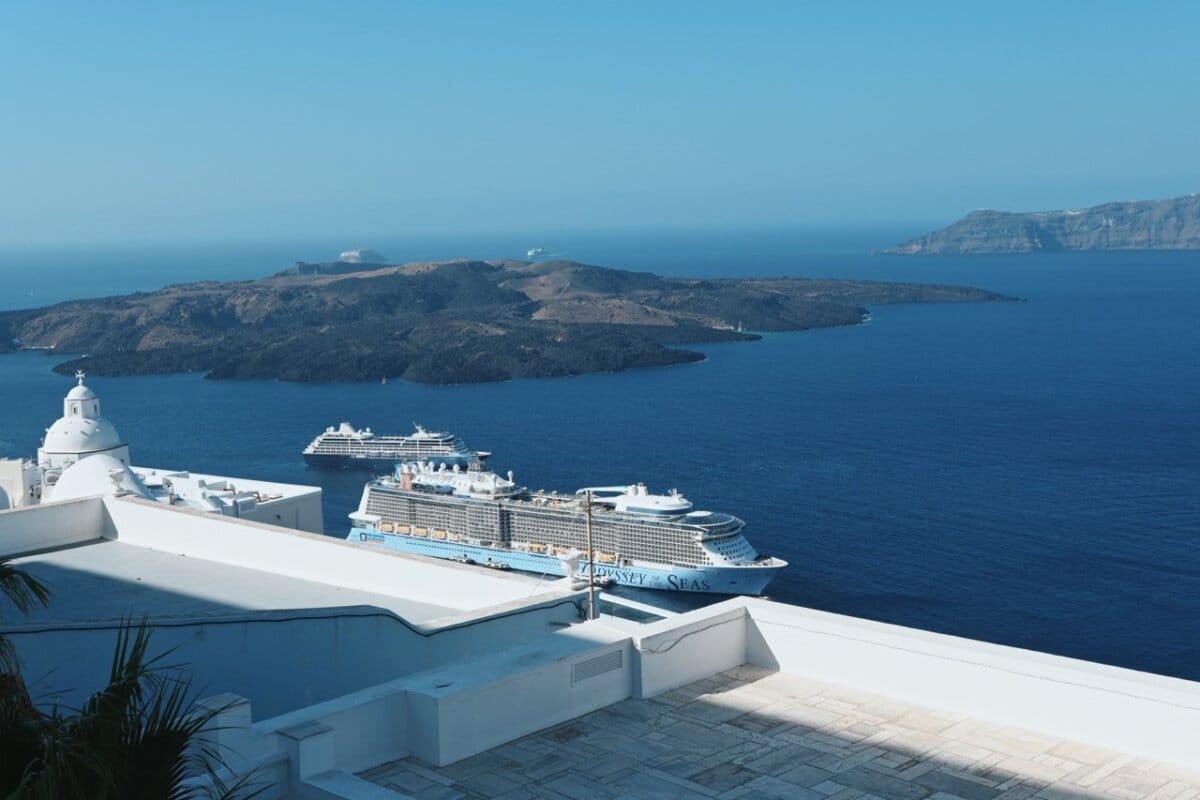
The new measure appears to be part of the island’s larger effort to balance tourism demand with limited infrastructure capacity as Santorini continues grappling with overtourism concerns.
In the official document, local officials cited the need to prevent congestion, maintain a “balanced distribution of passengers between ports,” and preserve infrastructure capacity as cruise tourism continues to grow.
While the policy may sound like a crowd-control measure, it doesn’t spread cruise passengers evenly across the island. Instead, it formalizes Fira’s role as Santorini’s primary cruise gateway while limiting the number of visitors arriving through Athinios, which is the island’s main ferry port and transportation hub
Santorini’s busiest arrival point could become even busier
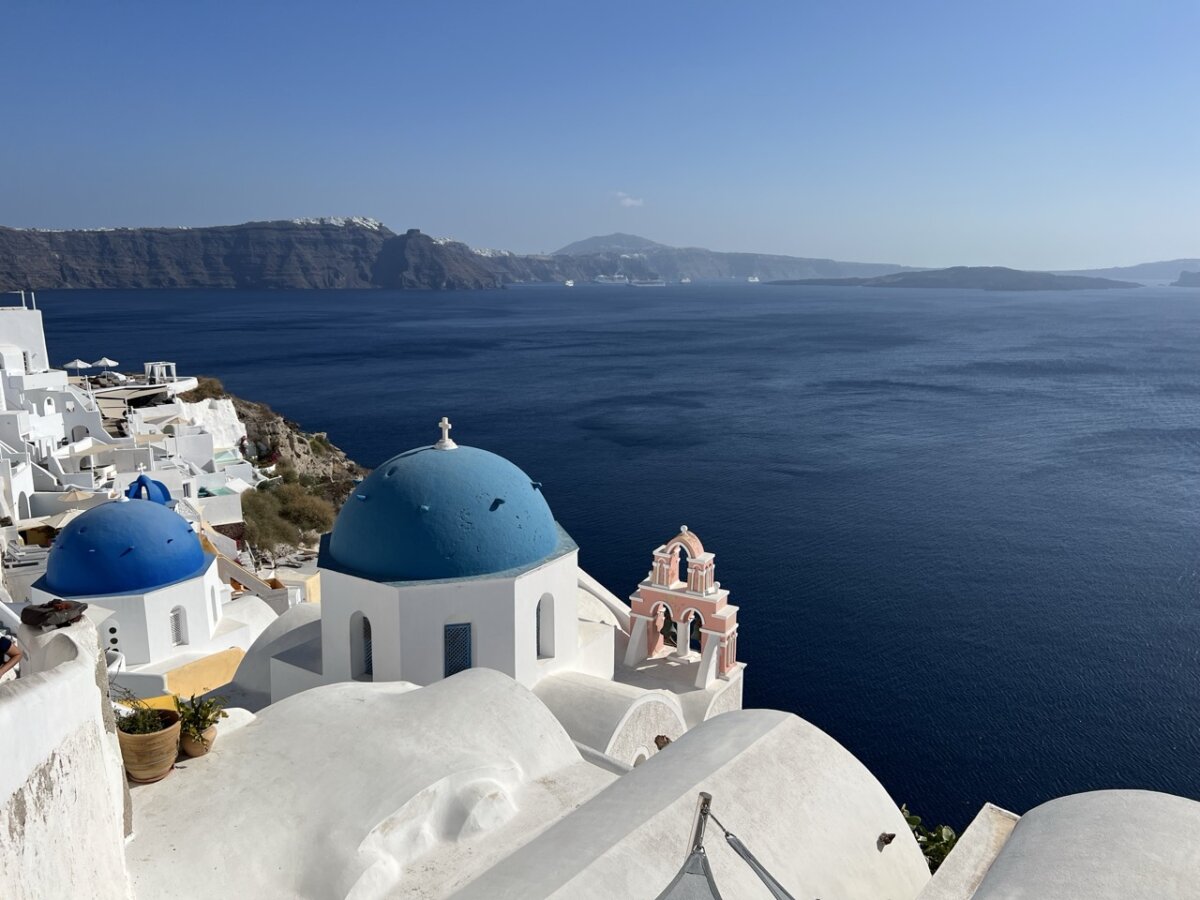
Unlike many cruise destinations, Santorini lacks a traditional cruise terminal capable of accommodating large ships.
Instead, cruise ships anchor offshore in the caldera and use tender boats to transport passengers ashore. Most visitors arrive at the island’s Old Port below Fira, where they can ride the cable car, climb hundreds of steps to town, or take one of the island’s famous donkey rides.
Having visited Santorini on a cruise myself, I can attest that the arrival process can already be one of the busiest and most chaotic experiences in the Mediterranean during peak season.
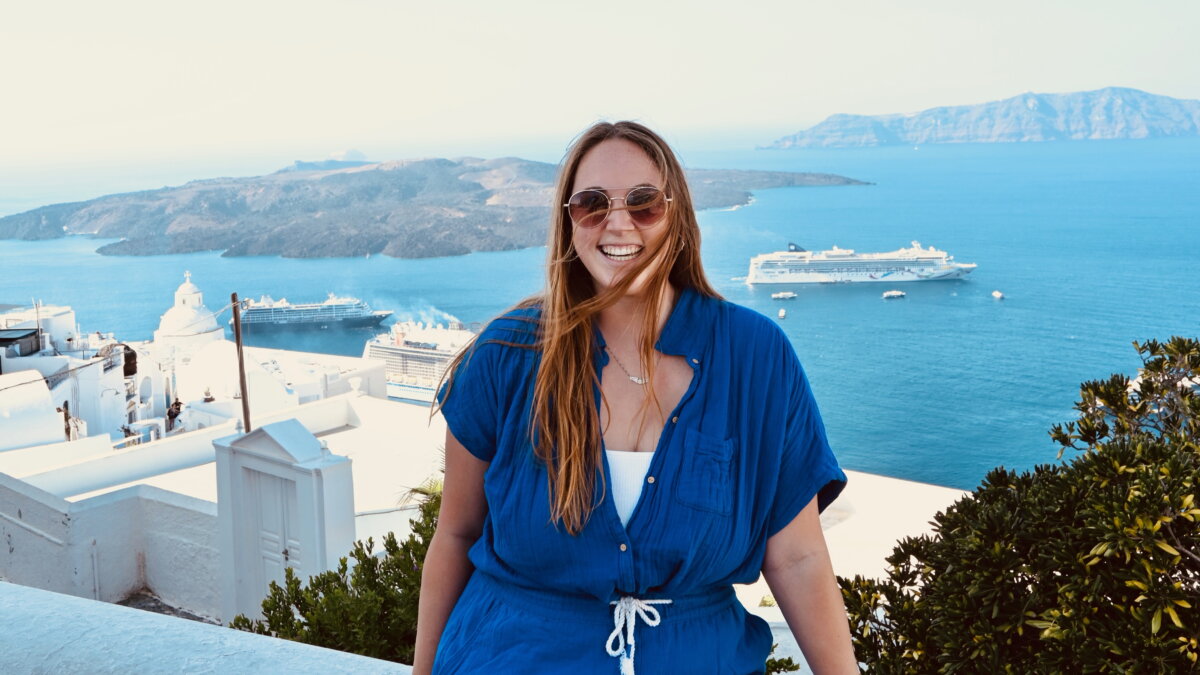
During my 2018 visit, multiple cruise ships were anchored in the caldera at the same time. By mid-morning, the cable car queues had become one of the most crowded areas on the island as thousands of visitors attempted to reach Fira simultaneously.
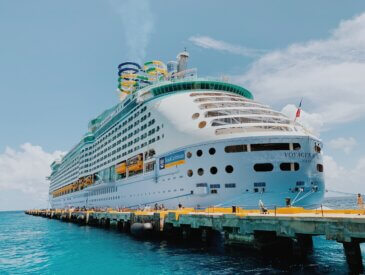
We ended up walking down the stairs from Fira instead of waiting for the cable car. While visiting Santorini again aboard Royal Caribbean’s Odyssey of the Seas, I made a point to book an excursion that avoided the cable car crowds entirely.
Instead of tendering to Fira’s Old Port, the tour provided direct transportation from the ship to Athinios Port, allowing us to begin our day on the island before visiting Fira and Oia without dealing with the often lengthy cable car lines.
Fira’s cable car appears to be a major factor
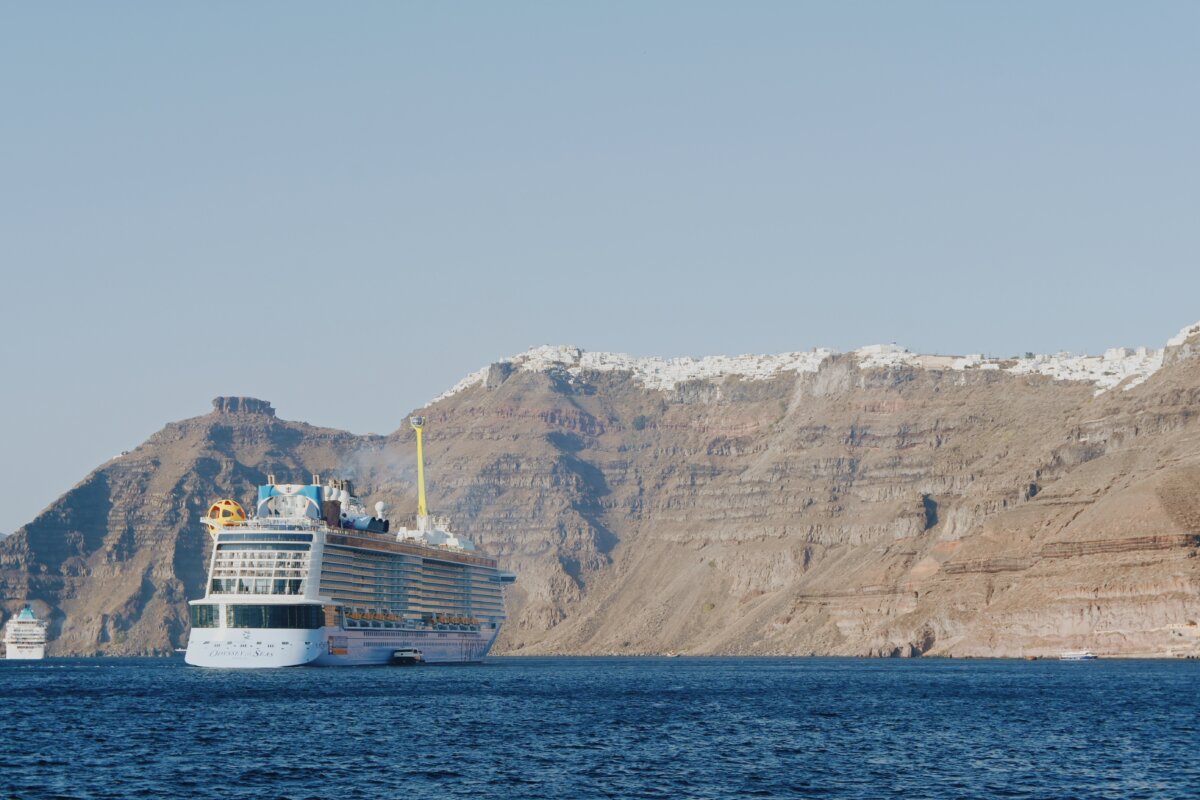
One of the most notable details buried within the official decision is a reference to preserving infrastructure capacity, including Santorini’s cable car system.
The cable car serves as the primary connection between Santorini’s Old Port and the town of Fira above. Because cruise ships anchor offshore rather than docking at a traditional pier, thousands of passengers rely on the cable car to travel between the tender dock and the island’s main tourist hub.
While visitors can also walk the steep 600-step pathway or take a donkey ride (which is not recommended), the cable car is the fastest and most popular option. During busy cruise days, long queues can form as passengers head ashore in the morning and return to their ships in the afternoon, making the system one of the island’s most important pieces of tourism infrastructure
By specifically mentioning the cable car, local officials appear to acknowledge that managing passenger flow has become increasingly important as cruise tourism continues to grow.
Officials want to reduce congestion at Athinios
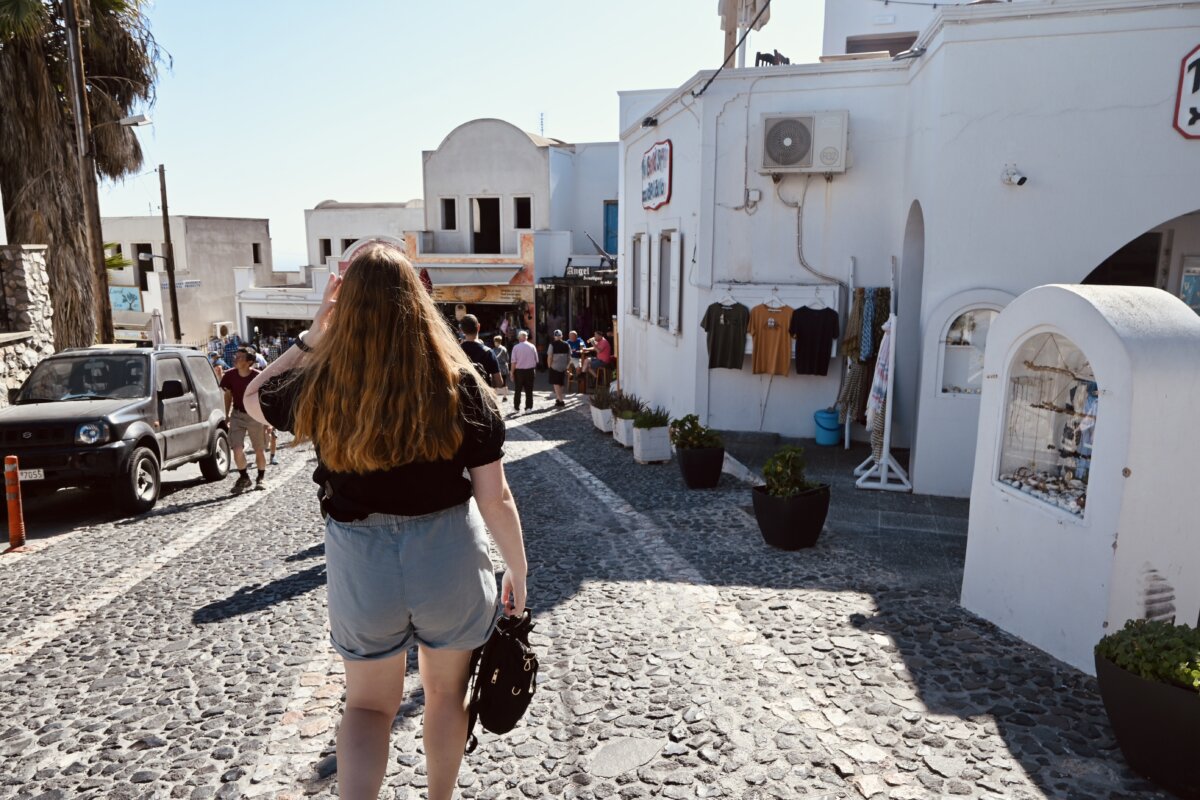
While many cruise passengers are familiar with Fira’s Old Port, Athinios serves a very different role.
Athinios is Santorini’s primary ferry port and transportation hub. The port handles ferries connecting Santorini with Athens and other Greek islands, as well as local vehicle traffic, supply deliveries, tour buses, and rental cars.
The decision repeatedly references the need to reduce congestion at Athinios and notes that the port serves ferry operations in addition to cruise-related traffic. From a transportation planning perspective, the move makes sense.
A ferry terminal serves an essential function for island residents and businesses, while cruise passengers represent a more flexible flow of visitors that can potentially be routed elsewhere.
The policy suggests Santorini would rather concentrate cruise operations at the Old Port than risk interference with critical transportation infrastructure at Athinios.
What could this mean for cruise shore excursions
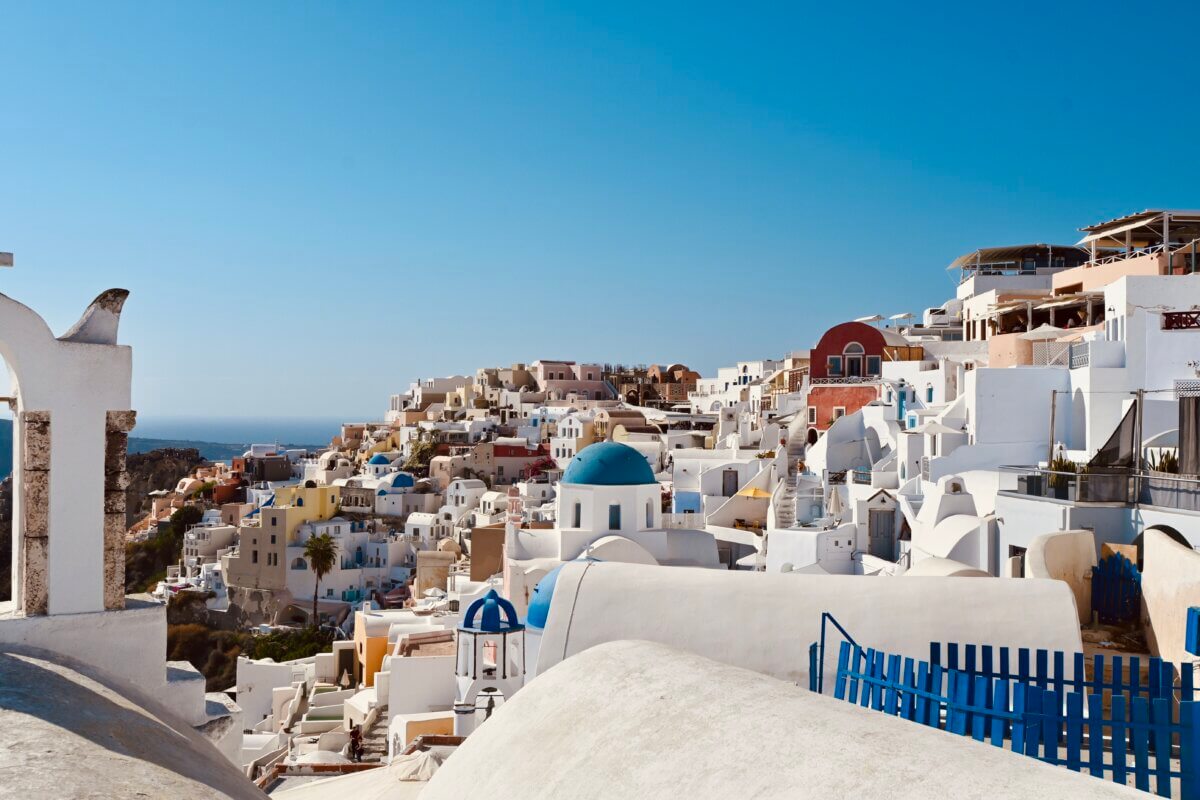
One area that could eventually be impacted is shore excursions, such as Royal Caribbean’s brand-new Royal Beach Club Santorini.
Today, cruise lines routinely operate hundreds of buses across Santorini on busy days, transporting guests between Fira, Oia, wineries, beaches, archaeological sites, and other attractions.
If local authorities begin actively enforcing passenger distribution targets, cruise lines may need to coordinate more closely with port officials regarding where guests disembark and where tours begin.
This doesn’t necessarily mean fewer excursions. However, it could influence tour scheduling, transportation logistics, and how visitors move around the island throughout the day.
Another step in Santorini’s battle against overtourism
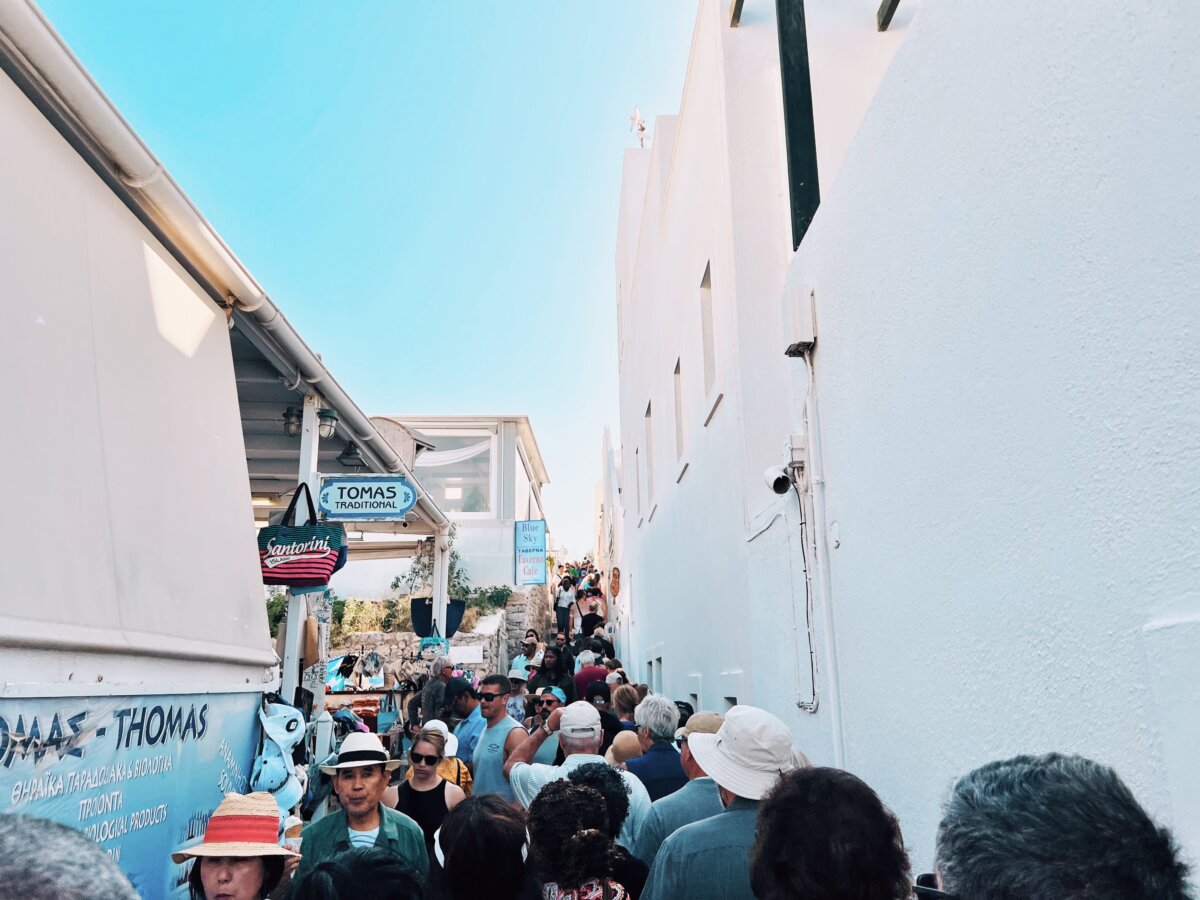
Over the past several years, local officials have discussed numerous ways to address overcrowding, including visitor fees, passenger caps, and measures designed to spread tourism more evenly across the island.
The language used throughout the new policy repeatedly references carrying capacity, sustainable tourism management, public safety, and infrastructure preservation. For example, officials cited the need to prevent congestion, decongest Athinios Port, maintain a balanced distribution of passengers between ports, and preserve critical infrastructure, including Santorini’s cable car system.
Essentially, the concerns suggest local authorities are increasingly focused on managing where and how cruise visitors move around the island rather than accommodating growing passenger numbers. Instead, they reflect an island increasingly concerned with managing the visitors it already receives.
Demand to visit the island shows little sign of slowing
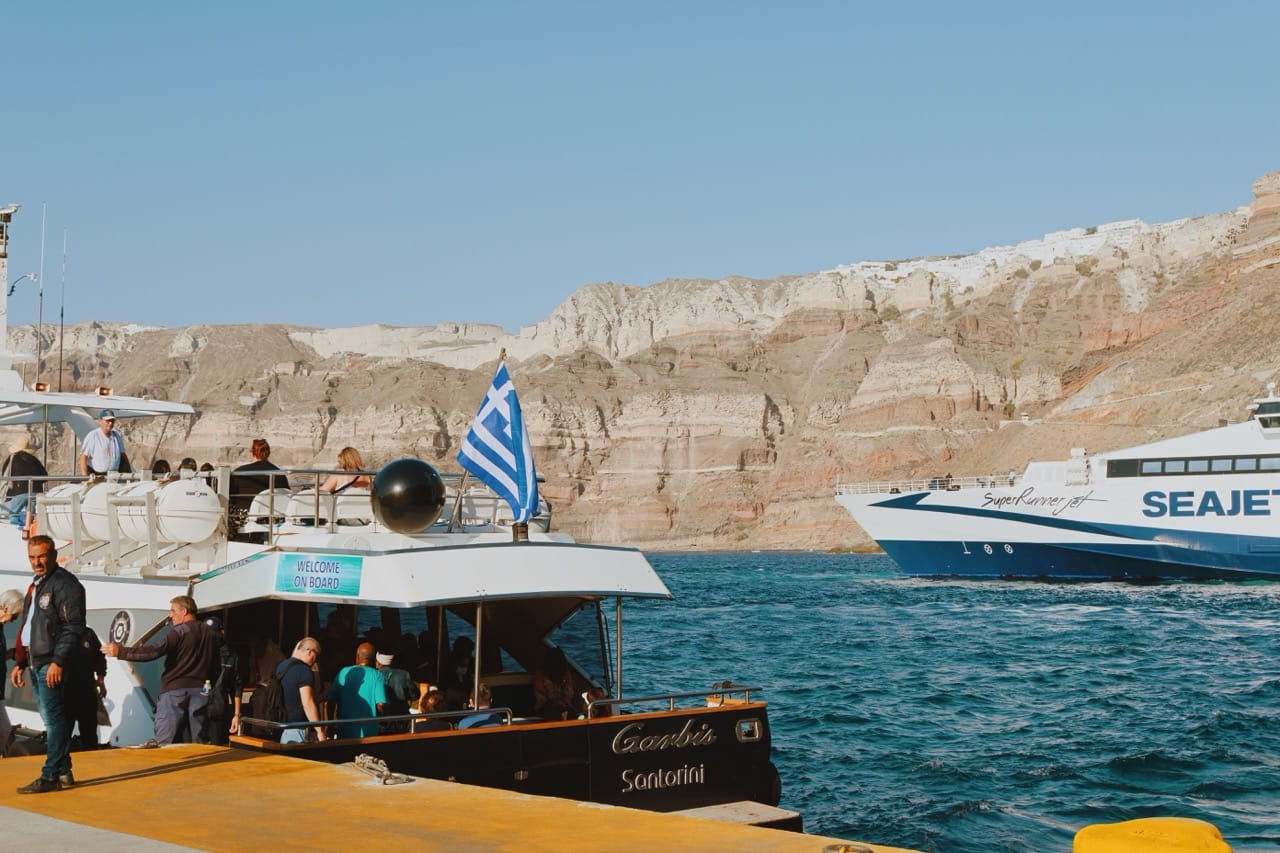
Santorini remains one of the most sought-after cruise destinations in the Mediterranean, regularly welcoming ships from major cruise lines including Royal Caribbean, Celebrity Cruises, Norwegian Cruise Line, MSC Cruises, Princess Cruises, and Carnival Cruise Line.
The decision may not dramatically alter the experience for cruise passengers overnight. Most visitors will still spend their day wandering through Fira’s narrow streets, watching the sunset in Oia, and taking in the island’s iconic caldera views.
What makes the policy notable is what it reveals about Santorini’s priorities. Rather than focusing solely on attracting more visitors, local officials are increasingly looking at how to accommodate record tourism levels while protecting the infrastructure that both residents and visitors rely on.
Whether the new 70/30 allocation ultimately leads to noticeable changes for cruise guests remains to be seen. However, as cruise tourism continues to grow across the Mediterranean, Santorini’s latest move suggests that the future of destination management may be less about limiting visitors and more about deciding where they go once they arrive.