Japan is an amazing cruise destination with a mix of historic temples, modern cities, stunning landscapes, and unique cultural experiences.
If you’re looking to cruise to Japan, you can sail with most major mainstream cruise lines throughout the year. Summer is the most popular time to visit Japan; however, spring and fall are also excellent times with fewer crowds.
Whether you’re docking in Tokyo (Yokohama), Kyoto, or a lesser-known port, this guide will help you maximize your time ashore with must-see attractions and essential travel tips.
Most common cruise ports in Japan
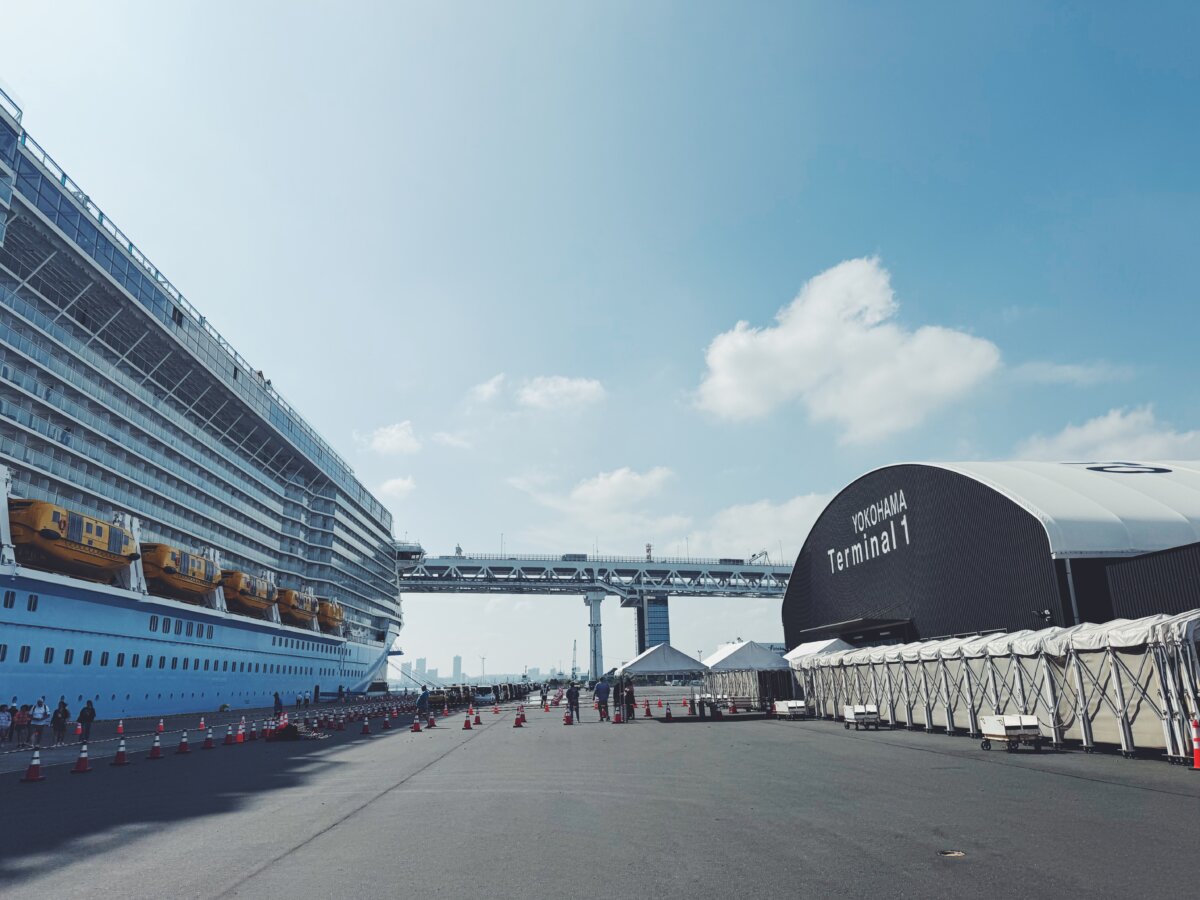
Japan has several major cruise ports that offer easy access to iconic landmarks, shopping, and cultural sites. Here’s a breakdown of the most frequently visited ports and what to do at each.
Tokyo (Yokohama & Tokyo International Cruise Terminal)
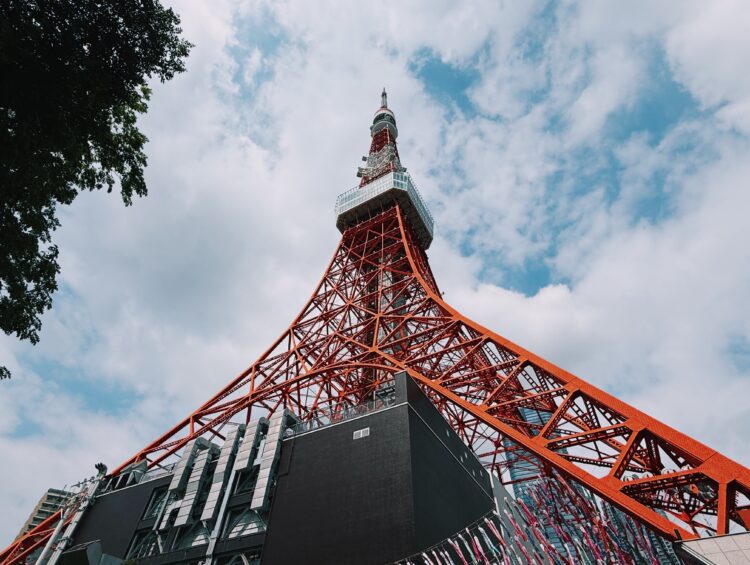
One of the world’s most famous cities! You’ll find a vibrant mix of ultramodern skyscrapers, ancient temples, world-class shopping, and famous landmarks like Shibuya Crossing and the historic Asakusa district.
Where ships dock
- Yokohama Osanbashi Pier (Primary Tokyo cruise terminal): Located in Yokohama, 30–40 minutes by train from central Tokyo. A modern, well-equipped terminal with easy access to Minato Mirai and local trains.
- Tokyo International Cruise Terminal: Located in the city’s Odaiba district, closer to Tokyo’s main attractions but used less frequently.
Top things to do
- Shibuya and Shinjuku: Experience Tokyo’s famous cityscape, the Shibuya Crossing, and neon-lit streets.
- Asakusa and Senso-ji Temple: A historic district with Tokyo’s oldest Buddhist temple and Nakamise shopping street.
- Tsukiji Outer Market: Sample fresh sushi and street food.
- Ginza Shopping District: High-end shopping and department stores.
- Shinkansen to Kyoto: If you have a full-day tour, take the bullet train (2 hours) to visit Kyoto’s famous temples.
Getting to Tokyo from Yokohama
Take the JR Keihin-Tohoku Line or Tokyu Toyoko Line (30–40 minutes). From Tokyo Cruise Terminal, use the Yurikamome monorail or taxis.


Kyoto (Osaka & Kobe Ports)
Japan’s cultural heart is filled with iconic shrines, golden temples, traditional geisha districts, and breathtaking bamboo forests.
Where ships dock
- Osaka Port (Tempozan Pier, Nanko Port): Best for Osaka & Kyoto, about 1 hour from Kyoto by train.
- Kobe Port (Kobe Cruise Terminal, Naka Pier): Another option for Kyoto, about 90 minutes by train.
Top things to do
- Kyoto’s Temples: Visit Fushimi Inari Shrine, Kinkaku-ji (Golden Pavilion), and Kiyomizu-dera.
- Nara Deer Park: See free-roaming deer and Todai-ji Temple’s Great Buddha (45 min from Kyoto).
- Osaka Castle & Dotonbori: Explore Osaka’s historic castle and neon-lit food streets.
- Kobe Beef: Try the world-famous Kobe beef steak at a top restaurant.
Getting around
- To Kyoto from Osaka: Take the JR Special Rapid Train (30 min) or Shinkansen (15 min).
- To Kyoto from Kobe: Take the JR line (90 min) or Shinkansen (30 min).
Hiroshima
A city of resilience and history, home to the Peace Memorial Park, Atomic Bomb Dome, and the stunning Itsukushima Shrine on Miyajima Island.
Where ships dock
Hiroshima Port (Ujina Port): A 25-minute tram ride from the city center, with easy access to Hiroshima’s historic sites.
Top things to do
- Hiroshima Peace Memorial Park & Museum: A moving tribute to the events of WWII.
- Atomic Bomb Dome (Genbaku Dome): A UNESCO World Heritage Site symbolizing peace.
- Miyajima Island & Itsukushima Shrine: Famous for the floating torii gate (take a ferry from Hiroshima).
- Okonomiyaki: Try Hiroshima-style savory pancakes.
Getting around
Use tram line #1 from Hiroshima Port to the city center (25 minutes). Take a ferry from Miyajimaguchi Station to reach Miyajima Island.
Nagasaki
A historic port city with beautiful European-style architecture, the moving Atomic Bomb Museum, and breathtaking views from Mount Inasa.
Where ships dock
Nagasaki Dejima Wharf: Walking distance to major attractions, making it an easy port to explore on foot.
Top things to do
- Glover Garden: Historic Western-style mansions with a view over the city.
- Atomic Bomb Museum & Peace Park: Learn about Nagasaki’s WWII history.
- Dejima: The historic Dutch trading post turned open-air museum.
- Nagasaki Ropeway & Mount Inasa Viewpoint: One of Japan’s best night views.
- Champon Noodles & Castella Cake: Local Nagasaki specialties.
Getting around
Many attractions are within walking distance, or you can use trams for quick access.
Fukuoka (Hakata Port)
A lively city known for Hakata ramen, vibrant shopping districts, and a mix of traditional shrines and modern attractions.
Where ships dock
Hakata Port International Terminal: Close to Fukuoka’s city center, about 10–15 minutes by taxi or bus.
Top things to do
- Canal City Hakata: A massive shopping and entertainment complex.
- Fukuoka Castle Ruins & Ohori Park: A peaceful park with cherry blossoms in spring.
- Kushida Shrine: A famous Shinto shrine near the city center.
- Hakata Ramen: Try tonkotsu (pork broth) ramen at a local yatai (food stall).
Getting around
Use taxis, the subway (Hakata Station is a transport hub), or rent a bike for exploring the city.
Okinawa (Naha Port)
A tropical paradise with pristine beaches, a unique Ryukyu culture, and historic sites like Shurijo Castle.
Where ships dock
Naha Cruise Terminal: Near Kokusai Street (main shopping area) and a short taxi ride from top sights.
Top things to do
- Shurijo Castle: A reconstructed Ryukyu palace with great views.
- Kokusai Street: A lively shopping street for souvenirs and Okinawan food.
- Tamaudun Mausoleum: A UNESCO-listed royal tomb.
- Okinawa Churaumi Aquarium: One of Japan’s best aquariums, but a 2-hour trip from Naha.
Getting around
Taxis are affordable in Naha. For further sights, use the monorail or a guided shore excursion.
Sapporo (Otaru & Muroran Ports, Hokkaido)
A gateway to Hokkaido’s stunning natural scenery, famous beer culture, and winter sports destinations.
Where ships dock
- Otaru Port: 40 minutes from Sapporo, a small port city with scenic canals and seafood.
- Muroran Port: Closer to nature spots like Lake Toya and Noboribetsu hot springs.
Top things to do
- Otaru Canal & Music Box Museum: A charming historic district with shops and glassware.
- Sapporo Clock Tower & Odori Park: Central Sapporo’s best sights.
- Sapporo Beer Museum: Learn about Japan’s first beer brewery (with tastings!).
- Noboribetsu Onsen: Relax in Hokkaido’s famous hot springs (from Muroran).
Getting around
- To Sapporo from Otaru: Take the JR train (40 min).
- To Sapporo from Muroran: Take the train (1.5 hours).
Japan cruise tips
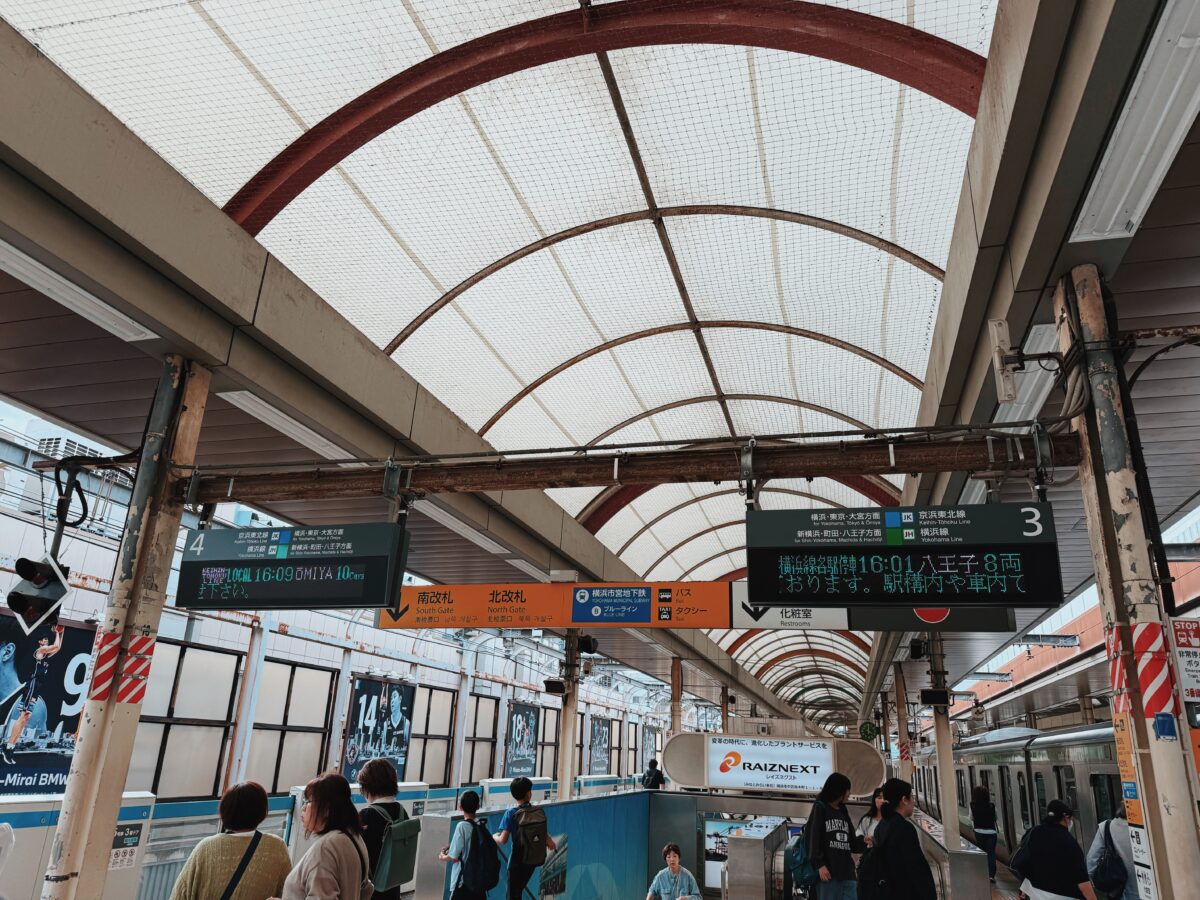
Japan is a fantastic cruise destination, offering a mix of history, culture, nature, and modern attractions. Here are some top tips to remember!
Currency: Japan uses the Japanese Yen (JPY ¥). Many places accept cards, but cash is still common, especially in small shops and temples. ATMs are widely available at 7-Eleven and post offices.
Transportation: Japan has efficient trains, subways, and buses. Use an IC card (Suica/Pasmo) for easy payments on public transit. Taxis are clean but expensive.
Language: English is limited in some areas, but signs in train stations and tourist spots are usually bilingual. Google Translate can be helpful!
Etiquette: Be polite, bow when greeting locals, and avoid talking loudly on public transport. In temples, follow customs like removing shoes before entering.
Wi-Fi and connectivity: Free Wi-Fi is available in many train stations, convenience stores, and cafes. Consider a portable Wi-Fi device or SIM card for seamless internet access.
Best cruise itineraries for Japan
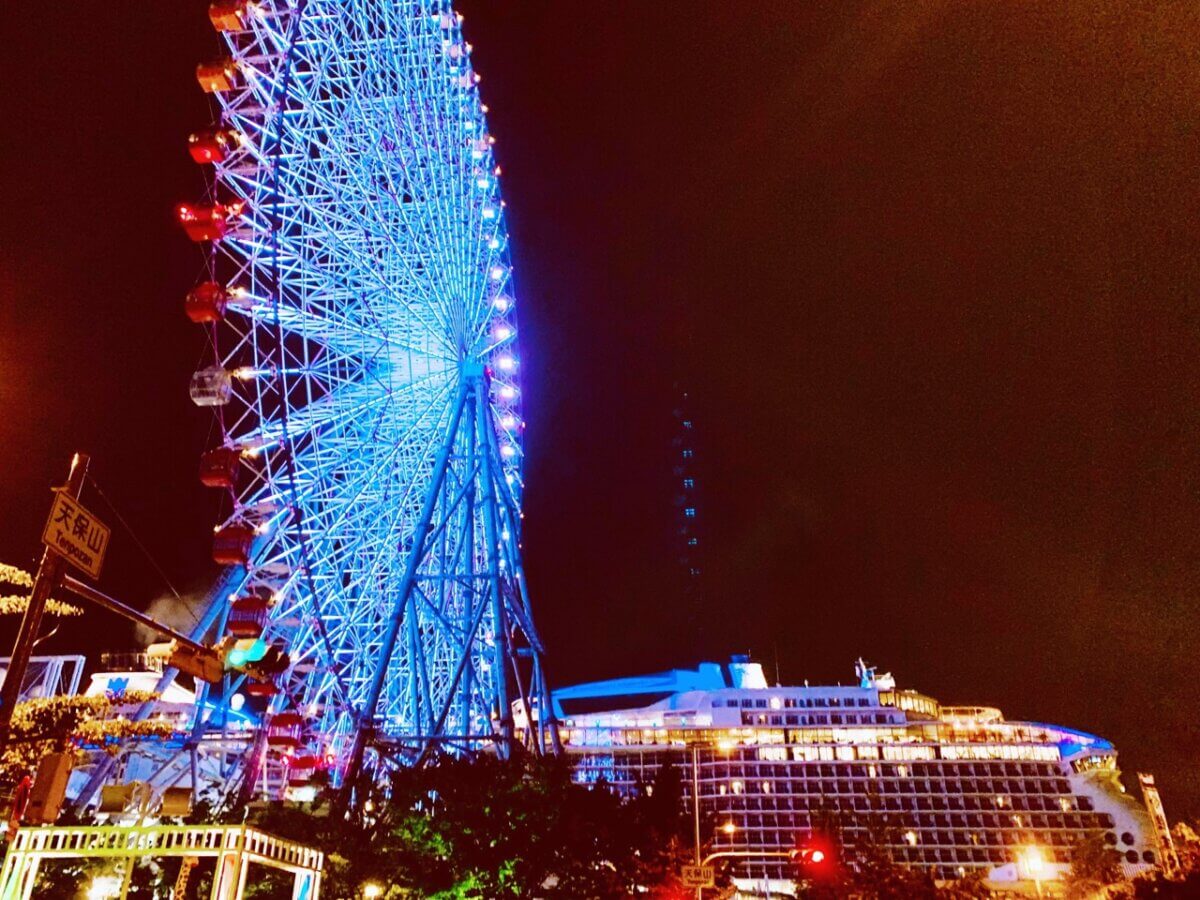
Japan’s cruise itineraries vary by season, duration, and departure port, but these are the most popular routes. Each itinerary offers a different perspective on Japan, from historic temples to tropical islands, snowy landscapes, and vibrant cities.
Japan Coastal Cruises (Round-trip from Tokyo or Yokohama)
- Typical length: 7–12 nights
- Ports of call: Tokyo/Yokohama → Kobe (Kyoto) → Hiroshima → Nagasaki → Fukuoka → Okinawa → Tokyo/Yokohama
- Highlights: A mix of Japan’s historical sites, temples, castles, and modern cities, often with stops at Kyoto’s temples, Hiroshima’s Peace Park, and Okinawa’s beaches.
Southern Japan & Taiwan Cruises
- Typical length: 7–10 nights
- Ports of call: Yokohama or Osaka → Kagoshima → Okinawa → Keelung (Taipei, Taiwan) → Miyakojima → Ishigaki → Return
- Highlights: This itinerary blends Japan’s tropical islands with Taiwan’s capital, offering beaches, local markets, and a mix of Japanese and Taiwanese culture.
Northern Japan & Hokkaido Cruises
- Typical length: 7–10 nights
- Ports of call: Yokohama → Hakodate → Otaru (Sapporo) → Kushiro → Aomori → Return
- Highlights: A focus on Hokkaido’s nature, hot springs, and seafood, often featuring snow-capped mountains, national parks, and historic port towns.
Japan & South Korea Cruises
- Typical length: 5–9 nights
- Ports of call: Yokohama → Kobe → Nagasaki → Busan (South Korea) → Fukuoka → Return
- Highlights: A mix of Japanese and Korean culture, including historic sites, street food, and temples in Kyoto and Busan.
Transpacific Cruises (Japan to Alaska or Hawaii)
- Typical length: 14–21 nights
- Ports of call: Tokyo → Hakodate → Sapporo → Petropavlovsk (Russia) → Alaska (Dutch Harbor, Kodiak, Anchorage) → Vancouver or Hawaii
- Highlights: These repositioning cruises occur seasonally in spring and fall, connecting Japan with Alaska’s fjords or Hawaii’s beaches while crossing the Pacific Ocean.
When to visit Japan for a cruise
You can visit Japan by cruise ship throughout the year, but the best time to visit is Spring (March to May) and Autumn (September to November).
- Spring: Cherry blossom (sakura) season is a major highlight, especially in Tokyo, Kyoto, and Hokkaido.
- Autumn: Beautiful fall foliage in Kyoto, Nikko, and the Japanese Alps.
- Summer (June–August): Warmer and more humid, but great for visiting Japan’s southern islands (Okinawa, Ishigaki, Miyakojima).
- Winter (December–February): Some cruises focus on Hokkaido’s snowy landscapes, hot springs, and Sapporo’s Snow Festival.
Most popular cruise lines in Japan
Several major cruise lines operate in Japan, offering itineraries ranging from short domestic cruises to longer Asia-Pacific voyages. From mainstream vessels to luxury ships, there is an option for all budgets.
- International Cruise Lines: Royal Caribbean, Celebrity, Holland America, Cunard, MSC, and Norwegian operate seasonal Japan itineraries.
- Princess Cruises: Offers round-trip Japan sailings and specializes in the market.
- Silversea, Seabourn, and Viking: Offer luxury Japan sailings with in-depth cultural tours.