
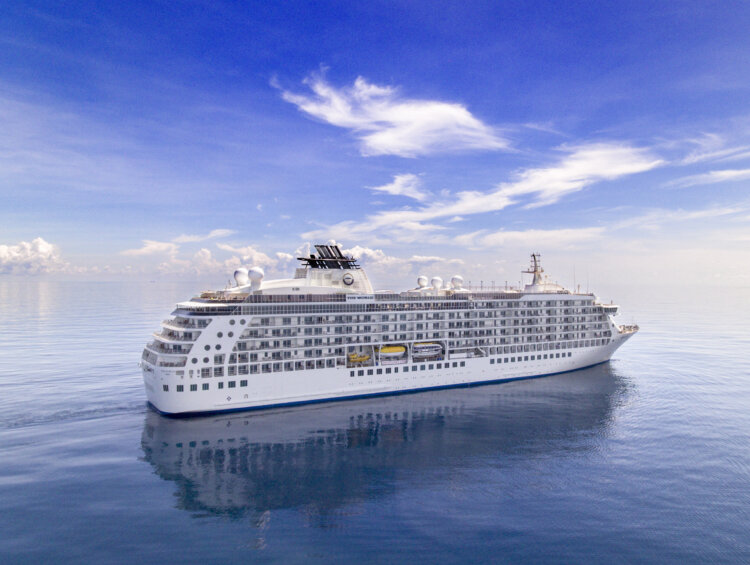
Cruising often feels like an escape from real life. You wake up in a new destination, enjoy restaurant-quality meals every day, and sip cocktails on the pool deck with the ocean stretching endlessly around you. For most travelers, it’s the definition of a getaway.
But, if you stay onboard long enough, you might start to notice how that feeling of escapism turns into routine. Your days onboard settle into a familiar rhythm. You see the same guests at breakfast, and crew members start to greet you by name.
By the time disembarkation arrives, the ship no longer feels like a temporary getaway, it feels unexpectedly like home away from home! That’s when some cruisers start to wonder: can you actually live on a cruise ship, and how much does it cost?
Here’s a clear breakdown of what living on a cruise ship really looks like, including what it actually costs to make life at sea work long term.
Living on a cruise ship is possible
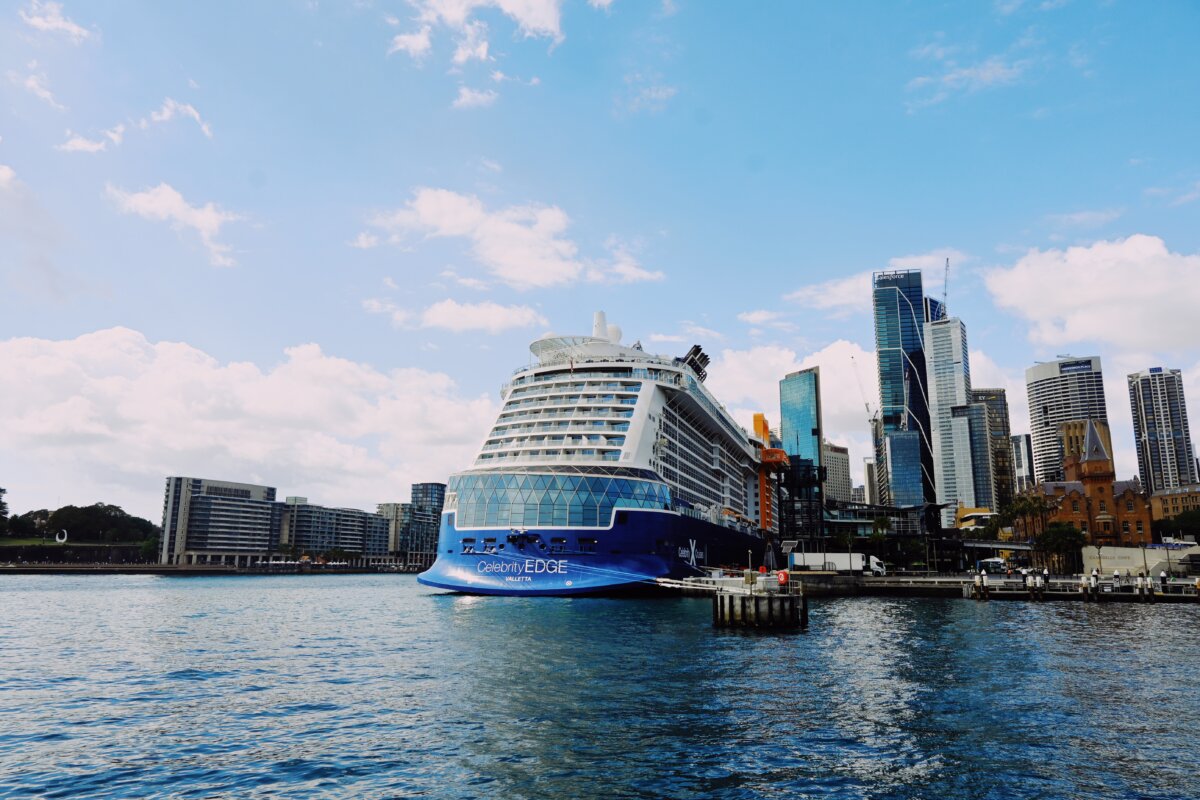
It’s entirely possible to live on a cruise ship, and many people are currently doing just that.
Some long-term cruisers commit fully and move onto residential cruise ships for full-time cruising. Others decide to spend months at sea on extended world cruises, visiting ports of call around the world. For younger travelers, you could also choose to study abroad on a cruise ship for months at a time.
Not to mention, there is a growing number of passengers who simply keep booking back-to-back sailings, turning cruise life into their everyday routine.
Living on a cruise ship removes many of the daily stressors that you might find on land, all while traveling around the world. Housing, meals, utilities, transportation between destinations, and entertainment are all bundled into one environment. For people who value simplicity and routine, but still want variety, ship life can be a comfortable middle ground.
How much does it cost to live on a cruise ship?
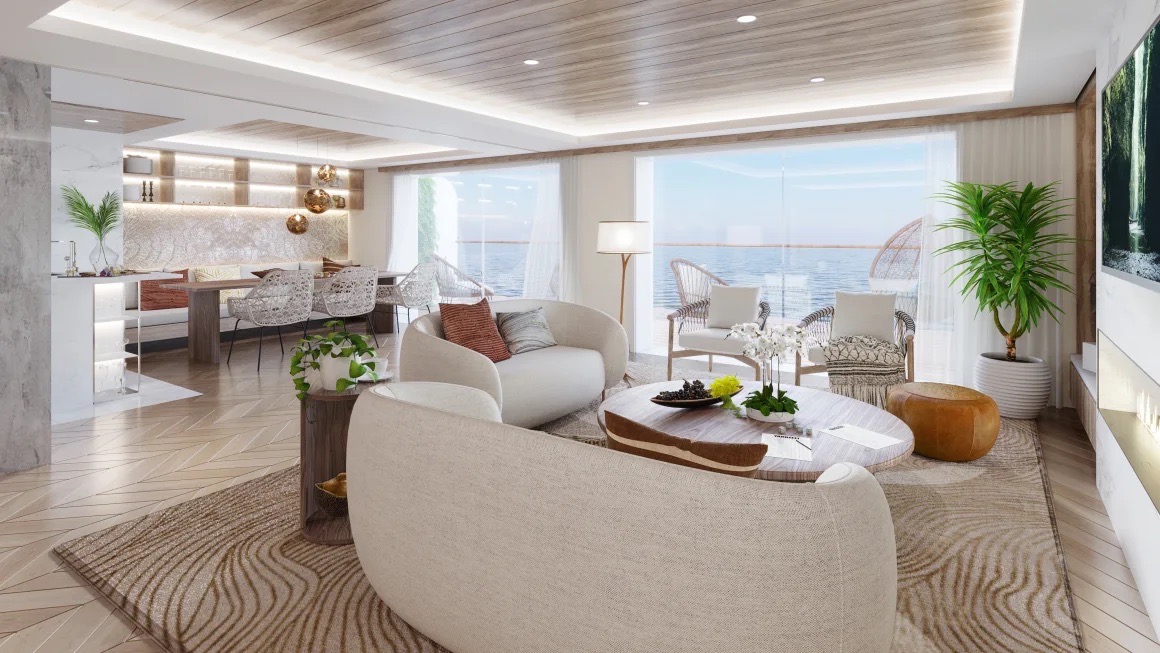
The cost of living on a cruise ship varies widely depending on how you do it, meaning there’s no single price point. Living at sea can range from relatively affordable to ultra-luxury, depending on the ship, the cabin or residence, and the length of time onboard.
A realistic monthly cost for living on a cruise ship can vary, but most long-term cruisers fall within these brackets:
- $2,500–$4,000 per month: Entry-level long-term options, such as inside cabins on residential-style ships, extended leasing programs, or aggressive back-to-back cruise deals with loyalty discounts.
- $4,000–$6,000 per month: The most common range for people living onboard today, covering balcony cabins or residential programs like Villa Vie Odyssey, with meals, entertainment, and basic services included.
- $7,000–$10,000+ per month: Higher-end staterooms, premium itineraries, or frequent suite upgrades on back-to-back cruises.
- Six figures per year (or multi-million upfront): Ultra-luxury residential cruise ships with privately owned apartments, plus ongoing monthly fees
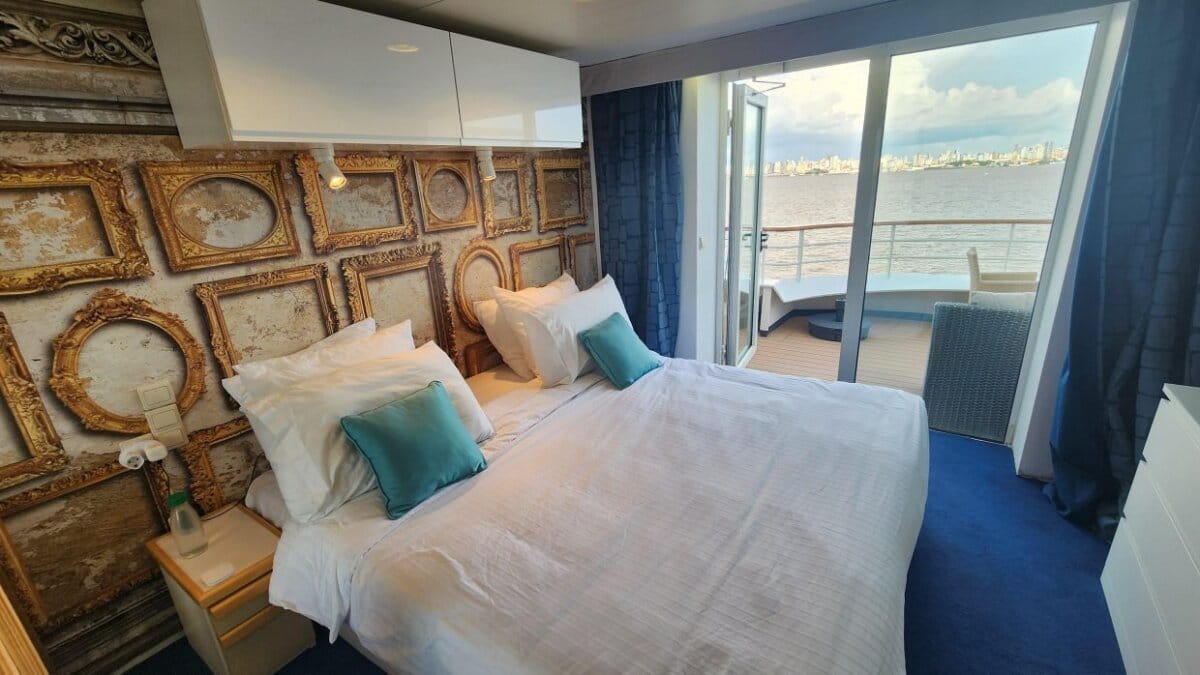
For residential cruise ships, costs are often comparable to high-end real estate. Luxury vessels with privately owned apartments can run anywhere from the high six figures into the multi-million-dollar range, often with additional monthly fees that cover dining, housekeeping, maintenance, and onboard services. These ships are designed for permanent living and tend to attract retirees or financially independent travelers.
Long-term and residential-style cruise options offer more accessible entry points. Ships like Villa Vie Odyssey allow residents to live onboard for a predictable monthly cost, often around a few thousand dollars per month, which typically includes accommodations, meals, entertainment, and basic services.
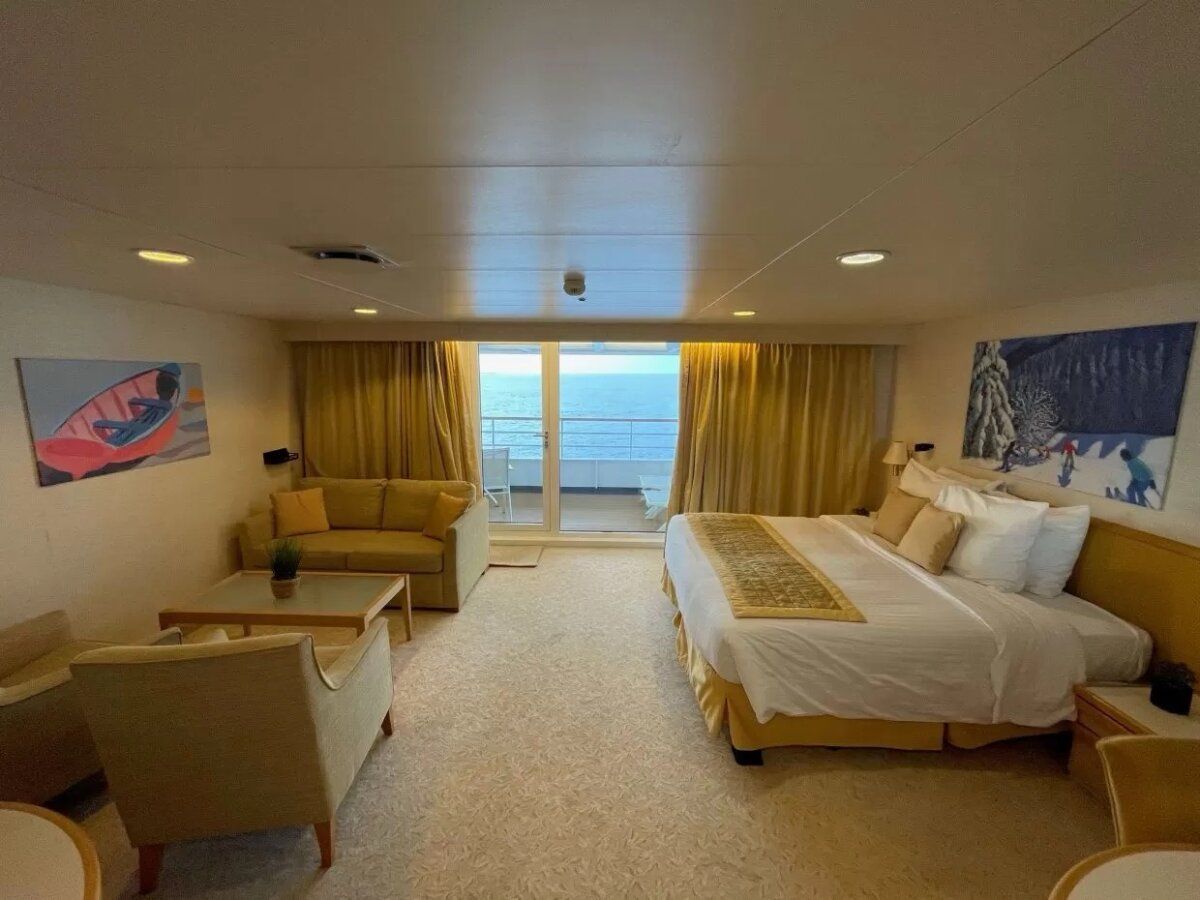
For some residents, this has proven to be significantly cheaper than maintaining a home in high-cost areas, especially when housing, utilities, food, and transportation are factored in.
Then there’s the back-to-back cruising approach. Passengers who continuously book cruises often spend anywhere from $3,000 to $6,000 per month, depending on cabin type, itinerary, and loyalty discounts. While this isn’t inexpensive, it can rival or even undercut the cost of living on land when rent, groceries, utilities, and entertainment are considered.
Ultimately, the cost of living on a cruise ship depends on lifestyle choices. Luxury residential ships offer permanence and prestige, while extended cruising and residential-style programs provide a more flexible, and sometimes surprisingly affordable, alternative to life on land.
Permanent option: Residential cruise ships
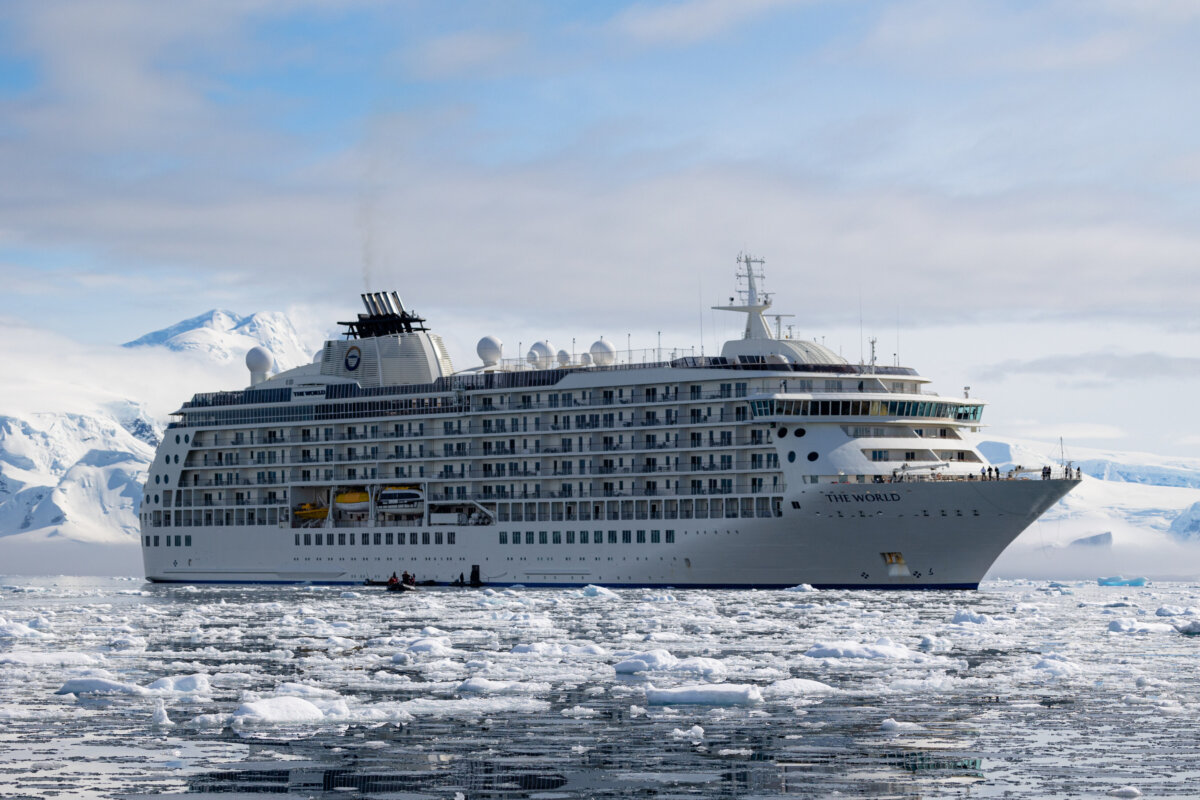
Residential cruise ships are the closest thing to permanently living at sea. These vessels are designed specifically for long-term residents, not short vacations. Instead of booking a stateroom, residents own or lease private apartments, often with full kitchens, separate bedrooms, and large balconies.
Life onboard feels more like condo living than traditional cruising. Residents often decorate their homes, receive mail onboard, and form long-term friendships with neighbors. Medical facilities, dining venues, housekeeping, and fitness centers are built into daily life, removing the need for outside services.
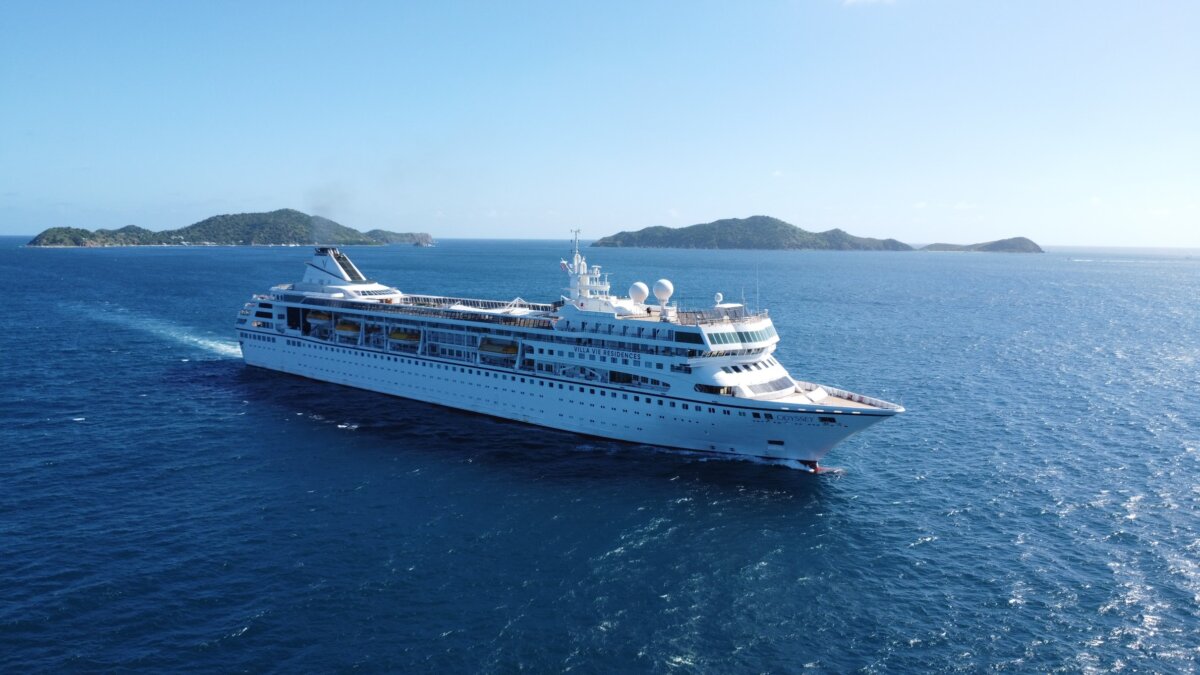
The ship itself typically follows a slow, global itinerary, spending extended time in ports and returning to popular regions seasonally. While the cost is high and out of reach for most travelers, this model appeals to retirees and financially independent individuals who want to see the world without managing a home on land.
While residential cruise ships remain a niche segment with mixed success across various projects, these vessels show that permanent life at sea is no longer theoretical, as there are already people calling a cruise ship home year-round. Here’s a quick look at the most popular residential cruise ships.
The World
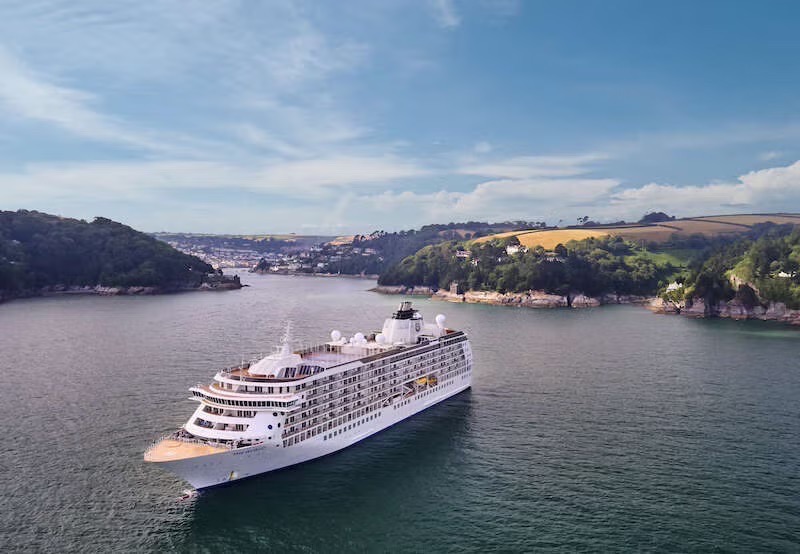
The World is a luxury residential cruise ship launched in 2002 that features privately owned apartments rather than traditional cruise cabins. Residents live onboard full time or seasonally and collectively vote on the ship’s global itinerary, which is designed around slow travel and extended stays in ports.
Pricing reflects the ship’s ultra-luxury positioning, with residences often starting in the multi-million-dollar range depending on size and location. For example, one current listing is accepting offers above $9.9 million and includes three bedrooms, three-and-a-half bathrooms, and nearly 2,500 square feet of interior living space.
Storylines’ MV Narrative
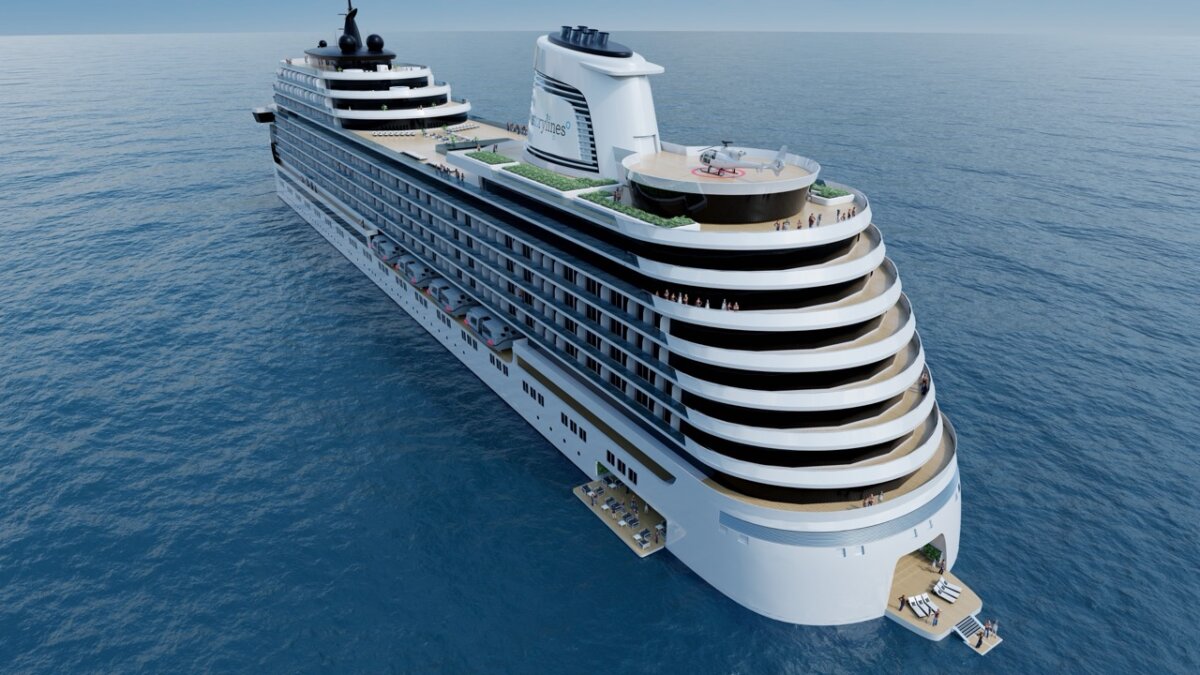
Storylines’ MV Narrative is a purpose-built residential ship designed specifically for long-term living at sea, with a strong emphasis on wellness, community, and everyday life rather than short-term cruising.
Residences are intended to be occupied for multiple years, and the ship’s itinerary is planned around extended stays in ports, allowing residents to truly settle into destinations instead of rushing from place to place.
The ship is anticipated to launch in 2027, with residences positioned in the luxury market and pricing expected to range from approximately $675,000 to $8 million or more, depending on size, layout, and location onboard.
Villa Vie Odyssey
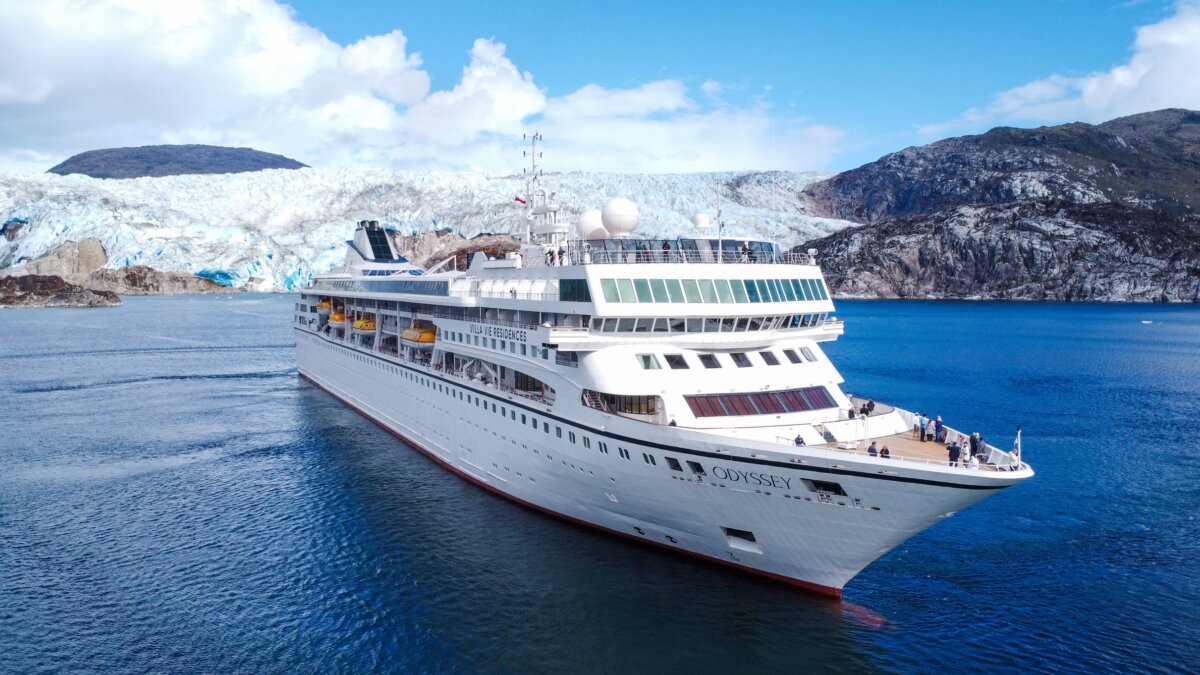
Villa Vie Odyssey is a converted cruise ship that offers long-term residency through cabin ownership, leasing, or extended stays, operating on a continuous, multi-year global itinerary.
Full-time ownership options typically start from about $129,000–$189,999 for a villa, with higher pricing for larger or ocean-view units. Additionally, flexible ownership and rental options exist, with short-term segments or monthly rentals starting around $2,999–$3,499 per person.
One couple currently living onboard estimates that their monthly expenses average about $5,430 on Villa Vie Odyssey. Family members can visit at no cost for up to 28 days per year, with additional guest stays priced at $33 per day.
According to the couple, living at sea now costs roughly half of what they spent living in Maui, where housing, utilities, and everyday expenses were far higher. For them, cruise ship living has replaced traditional bills with a predictable, all-inclusive lifestyle that feels both simpler and more affordable.
World cruises and long sailings (100+ days)
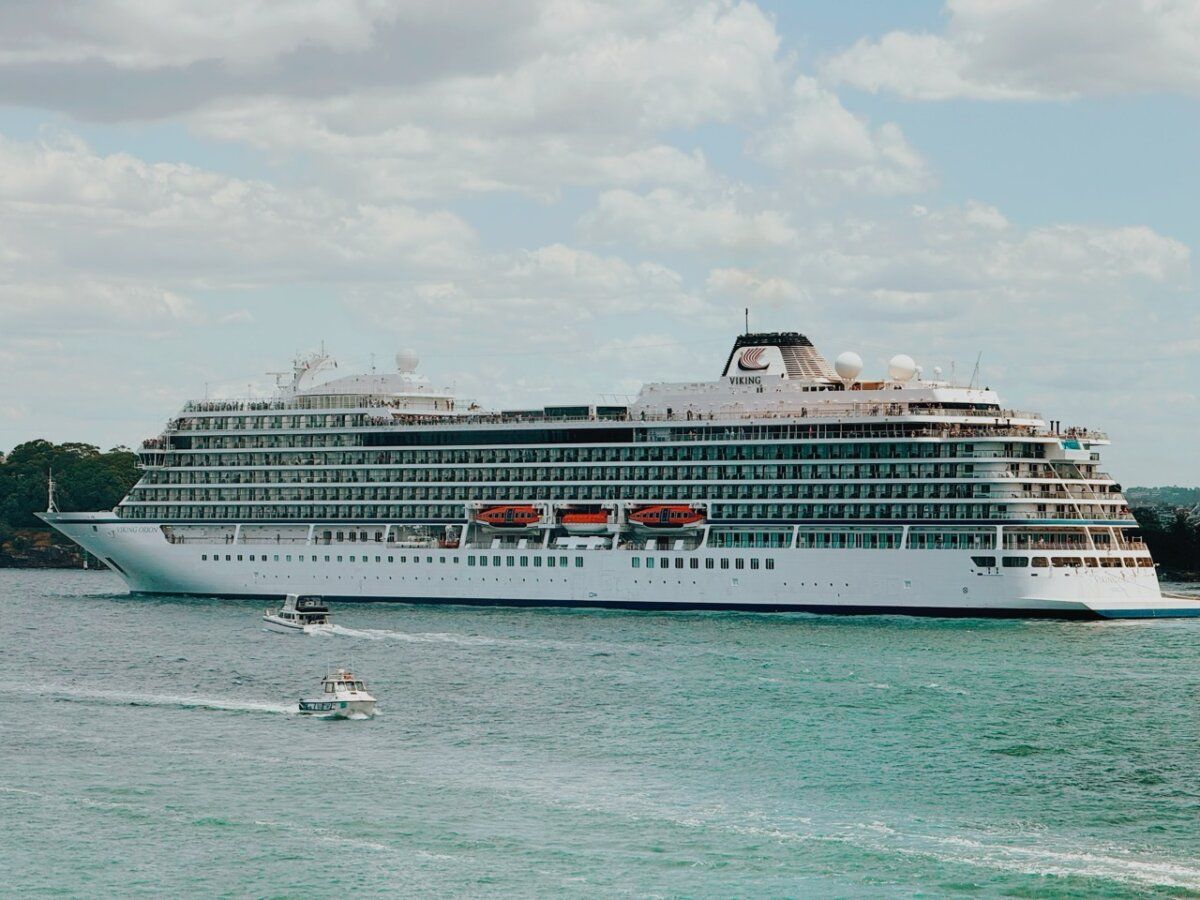
World cruises offer a long-term experience at sea without the commitment of permanent residency. These itineraries usually last between 100 and 180 days and circle the globe, often visiting 40 to 60 ports in a single sailing.
Here’s how much you can expect to spend on a world cruise:
- Interior cabins: roughly $30,000 – $60,000 per person
- Balcony cabins: roughly $50,000 – $90,000 per person
- Suites and larger staterooms: $90,000 – $200,000+ per person
Passengers who stay onboard for the full journey often describe a shift around the first month. Some find that the novelty wears off as routines begin to settle in. After the first month, many find the ship begins to feel familiar and more like home. Crew members recognize guests, dining preferences are remembered, and social circles form naturally.
Because everything from meals to entertainment to medical care is handled onboard, passengers can focus on daily life rather than logistics. For many, a world cruise feels less like extended travel and more like temporarily relocating to a floating community that happens to move every few days.

World cruising offers the chance to see dozens of countries in a single journey while enjoying a stable routine, familiar crew, and the convenience of having your housing, meals, and transportation bundled into one experience.
However, the long duration requires a significant time commitment, and it can feel repetitive over months at sea. The longer time commitment also limits flexibility if you have plans or personal circumstances that change mid-voyage.
Royal Caribbean famously offered a 274-day Ultimate World Cruise that started in December 2023, allowing passengers to live onboard for more than nine months while visiting dozens of countries across multiple continents.
Designed as a long-term lifestyle experience, the sailing encouraged guests to settle into routines and treat the ship as a temporary home rather than a short vacation.
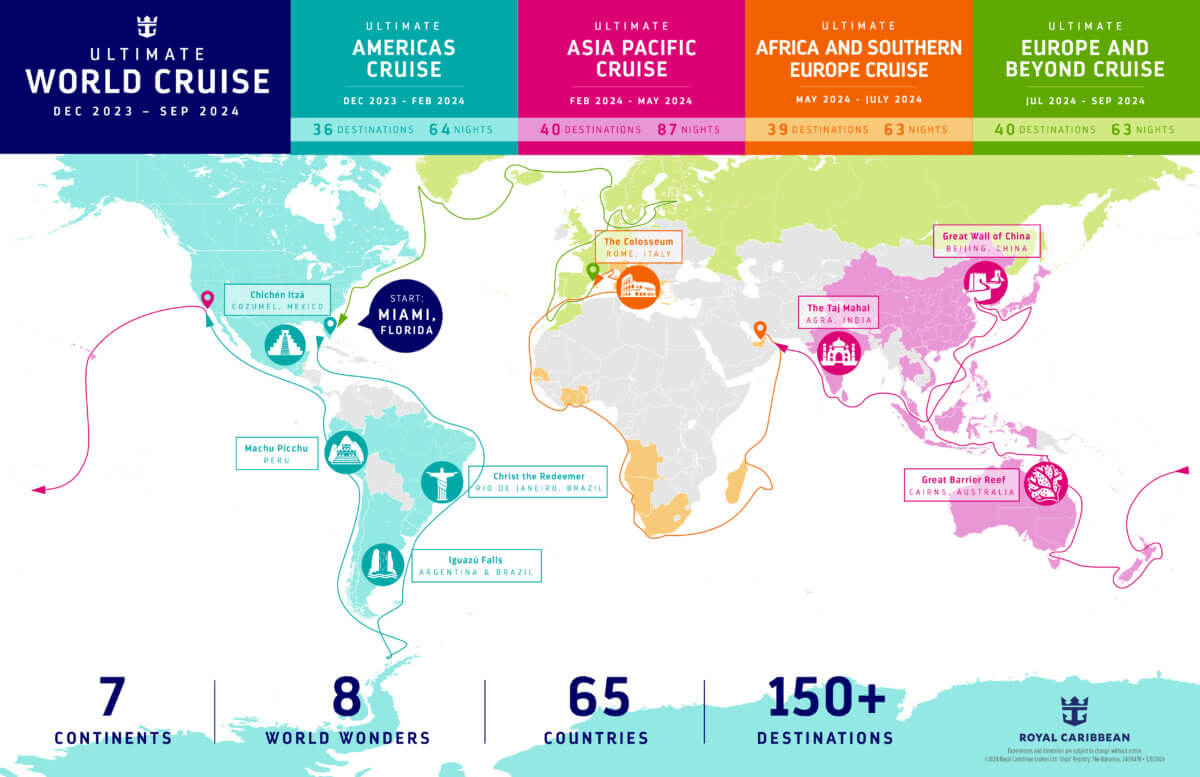
Starting prices for the entire voyage were around $59,999 per person for an interior cabin, with balcony staterooms beginning near $84,999, plus higher pricing for suites.
Royal Caribbean also allowed guests to book shorter segments of the 274-day world cruise, making it accessible to travelers who didn’t want to commit to the full nine months. These segments typically ranged from two to four months, with pricing adjusted accordingly.
Back-to-back cruises: The DIY way to living on a cruise
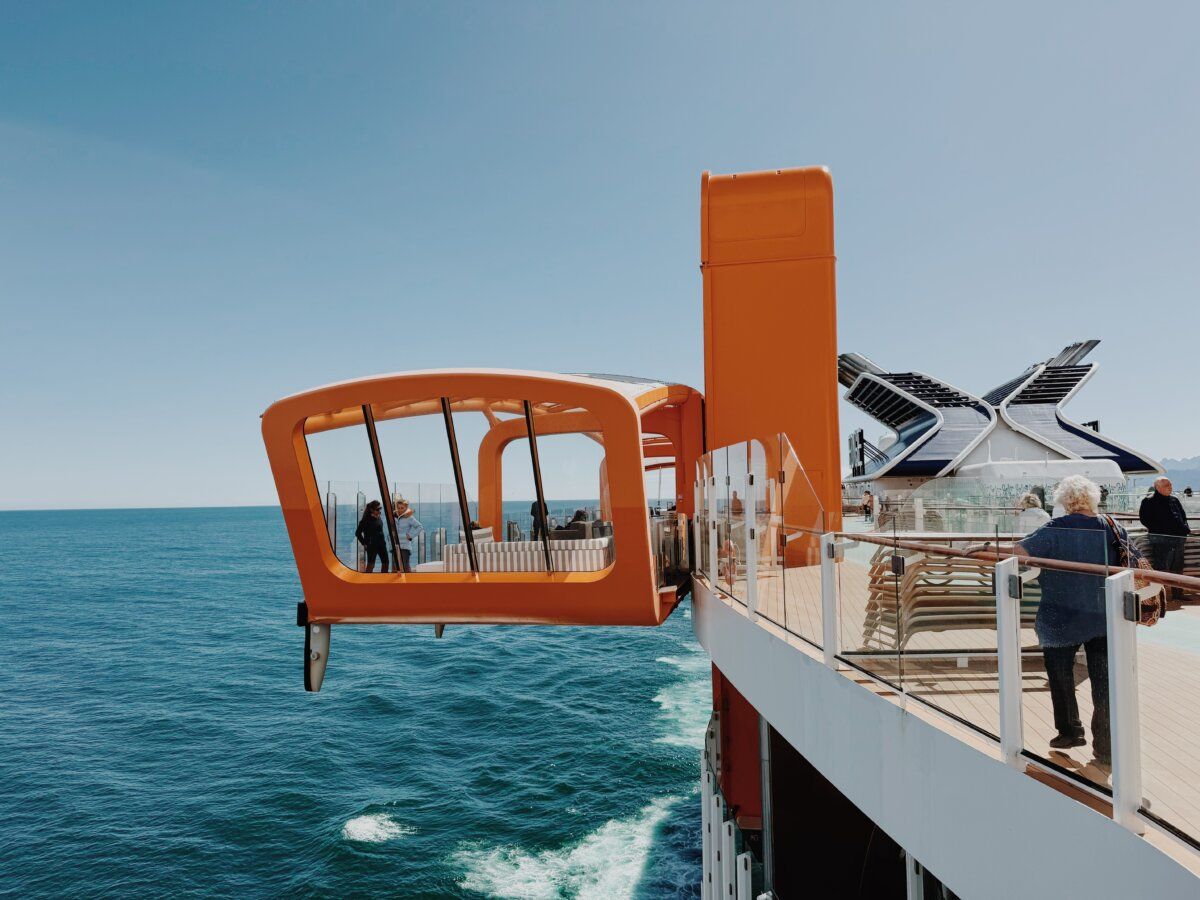
Some of the most famous long-term cruise residents don’t rely on a special program at all. Instead, they book back-to-back sailings, sometimes staying on the same ship for months at a time or moving between itineraries within the same cruise line.
Over time, these passengers become familiar faces onboard. Crew members know them, and other repeat guests recognize them. The ship develops a sense of continuity that short cruises don’t always capture.
A well-known example among cruisers is “Super Mario,” a guest who has spent years sailing almost continuously by booking consecutive cruises with Royal Caribbean. He’s sailed on over 1,000 cruises and spent more than 300 days at sea in 2025.

Another couple, Marty and Jess Ansen, are retirees who turned cruising into a full-time lifestyle after the pandemic. They sold their belongings in 2022 and moved onboard Princess Cruises’ Coral Princess.
Since then, they’ve completed more than 50 back-to-back cruises, and they’ve spent over 800 days at sea. The couple enjoys the simplicity of ship life with no household chores, built-in activities, familiar routines, and a strong sense of community with crew and fellow passengers.
According to the couple, living on a cruise ship costs them less than a traditional retirement home, with meals, entertainment, activities, and basic medical care included, allowing them to stay active, social, and engaged while continuing to explore the world without the burdens of maintaining a home on land.
Semester at Sea: Living on a ship while studying
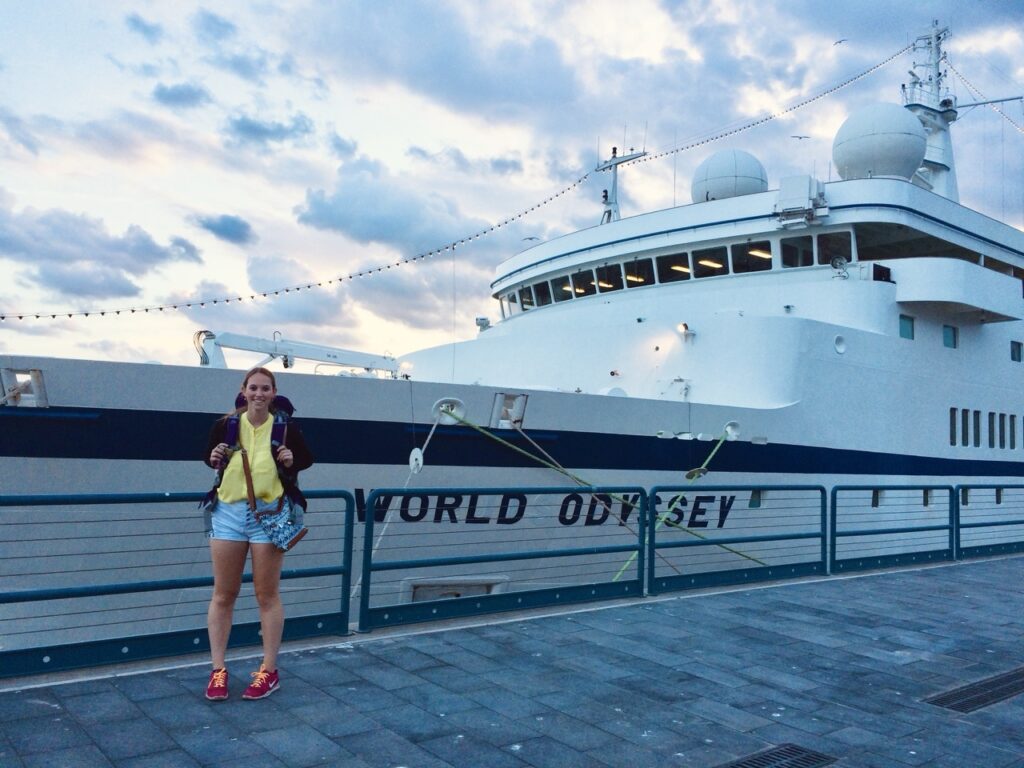
Semester at Sea proves that ship life isn’t just for retirees or luxury travelers. For decades, the program has placed college students onboard a ship for an entire academic term, usually lasting more than 100 days.
Students live in shared cabins, attend lectures onboard, complete coursework, and participate in field programs during port stays. The ship functions as both housing and campus, with daily schedules structured around classes rather than shows or excursions. Tuition is around $45,000 per semester for students.
And it’s not just students who live onboard. Faculty and staff members live on the MV World Odyssey too, along with their family members. Semester at Sea also offers opportunities for “Lifelong Learners,” allowing adults to join the voyage, take classes, and experience extended life at sea without enrolling as full-time students.
Adult travelers joining Semester at Sea’s Lifelong Learner program will find pricing depends on cabin type and occupancy and is structured around the full voyage (typically about 105 days). Here’s a look at Lifelong Learner prices from a recent Semester at Sea voyage:
- Inside and Classic cabins: Roughly $23,450 – $28,950 per person (double occupancy)
- Outside and Deluxe cabins: Roughly $27,750 – $31,250 per person (double occupancy)
- Suites: Roughly $34,150 – $43,050 per person (double occupancy)
For many students, the experience demonstrates how sustainable long-term ship life can be. Studying, working, socializing, and traveling all happen within the same environment, reinforcing the idea that a cruise ship can support normal daily responsibilities, not just leisure.

Very informative article. Thanks for providing it.
Thanks for visiting our site, Mark! Glad you enjoyed the article!