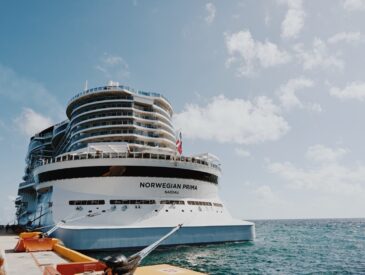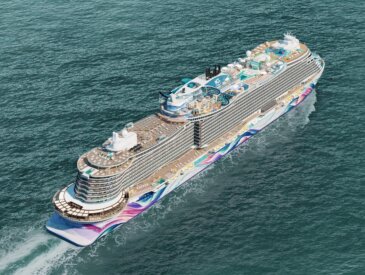
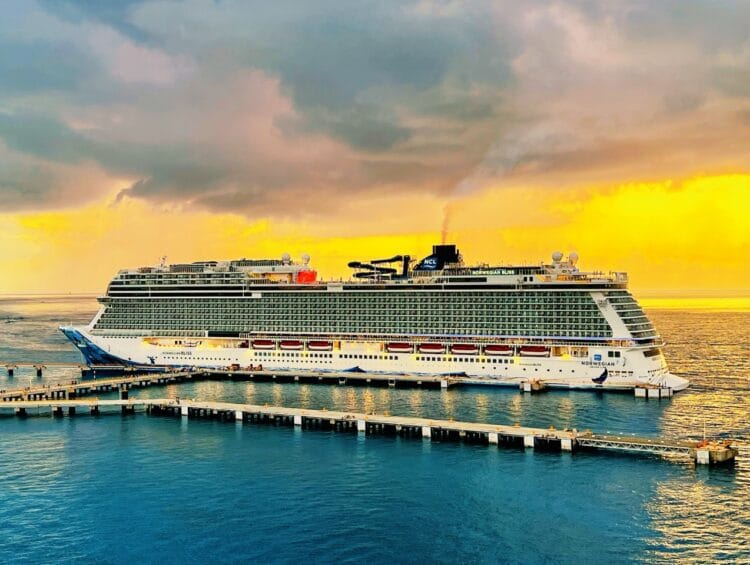
Norwegian Cruise Line Holdings is navigating mounting pressure from investors and competitors alike as it settles into a new leadership structure and attempts to reset its long-term strategy. But amid constant executive turnover and shifting priorities, some cruisers are questioning whether NCL is facing a brand identity crisis — especially as cruise demand remains strong while Norwegian’s financial performance declines.
That scrutiny intensified almost immediately after the company named former Subway chief executive John Chidsey as its new CEO. Within days of the announcement, activist hedge fund Elliott Management disclosed it had built a stake of more than 10 percent in the cruise line.
Elliott is now pushing for board changes and strategic adjustments, arguing that Norwegian has underperformed compared to rivals and needs a clear plan to significantly lift shareholder value.
In its public materials, Elliott described Norwegian’s trajectory over the past decade as disappointing and cited inconsistent strategy, weak execution, and poor cost discipline. The firm has suggested that with meaningful changes, the stock could potentially reach $56 per share, which is roughly 159 percent higher than recent trading levels.
In particular, Elliott criticizes the cruise line for:
- Neglecting to capitalize on its private island, despite industry trends
- Moving ships out of the Caribbean with longer European sailings
- Building ship classes with smaller capacity
- Frequent last-minute deployment changes
The upheaval follows not just the most recent CEO change, but a series of executive transitions for the company. In August 2025, Norwegian Cruise Line president David Herrera stepped down abruptly, prompting former CEO Harry Sommer to take over the brand’s day-to-day leadership on an interim basis.
In December 2025, travel industry veteran Marc Kazlauskas was named president of the Norwegian Cruise Line brand, a move that unfolded just weeks before Sommer’s own departure as CEO and the appointment of John Chidsey.
With constant leadership shuffles, evolving policies, and mounting pressure from investors, Norwegian Cruise Line appears to be grappling with an identity crisis.
Investors push for big change at NCL
Elliott Management is known for taking large stakes in companies it believes are lagging competitors and pressing for structural change. In its public letter and accompanying presentation, the firm sharply criticized Norwegian’s board oversight and long-term strategy, arguing that execution has consistently fallen short of the company’s potential.
Norwegian’s financial performance in recent years supports part of that argument. The company’s shares were down roughly 20 percent over the past year before the activist announcement, while Royal Caribbean and Carnival delivered stronger stock performance and clear growth strategies.
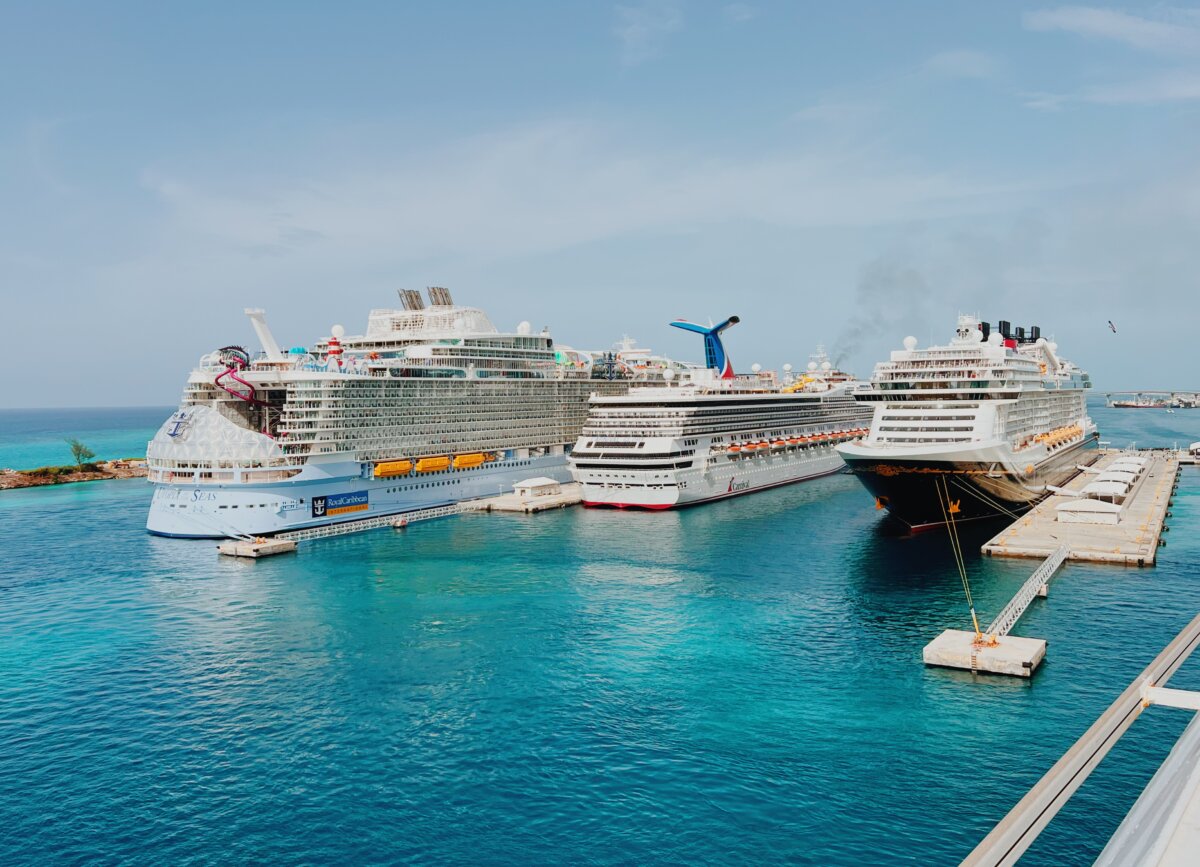
All three companies are sailing ships at or near full capacity, but investors have rewarded Norwegian’s rivals more decisively.
In its 59-page presentation titled “Norwegian Now,” Elliott went further, arguing that Norwegian has fallen from a best-in-class cruise operator to what it called “a clear industry laggard.”
The materials cite rising unit costs, inconsistent strategic pivots, and what the firm describes as poor cost discipline that has eroded margins relative to competitors. The deck also highlights that Norwegian now trades at a valuation near the bottom percentile of the S&P 500, highlighting what Elliott views as a severe credibility gap with investors.
Wasted spending on Prima Class
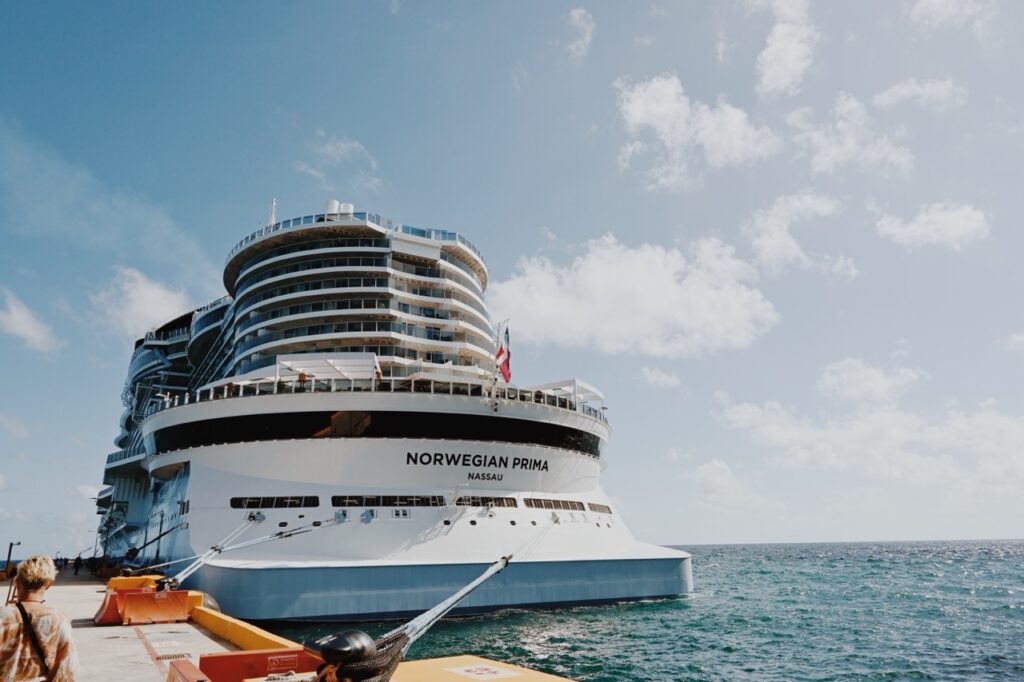
In Elliott’s “Norwegian Now” presentation, the Prima class is highlighted as an example of misplaced priorities and frivolous spending from the cruise line.
A dedicated slide titled “Wasteful Culture: Prima Launch” criticizes the cruise line’s Reykjavik christening event, highlighting the scale and cost of the celebration at a time when shareholder returns were sharply negative. More than 2,600 guests were flown to Iceland for the event, which included an appearance and christening by Katy Perry.
The presentation contrasts the lavish launch, considered the largest event in Iceland’s history, with years of underperformance, negative free cash flow, and shareholder dilution. Elliott also points to multimillion-dollar art investments aboard Prima and Viva as examples of spending without disciplined execution.
Mismanagement of Great Stirrup Cay
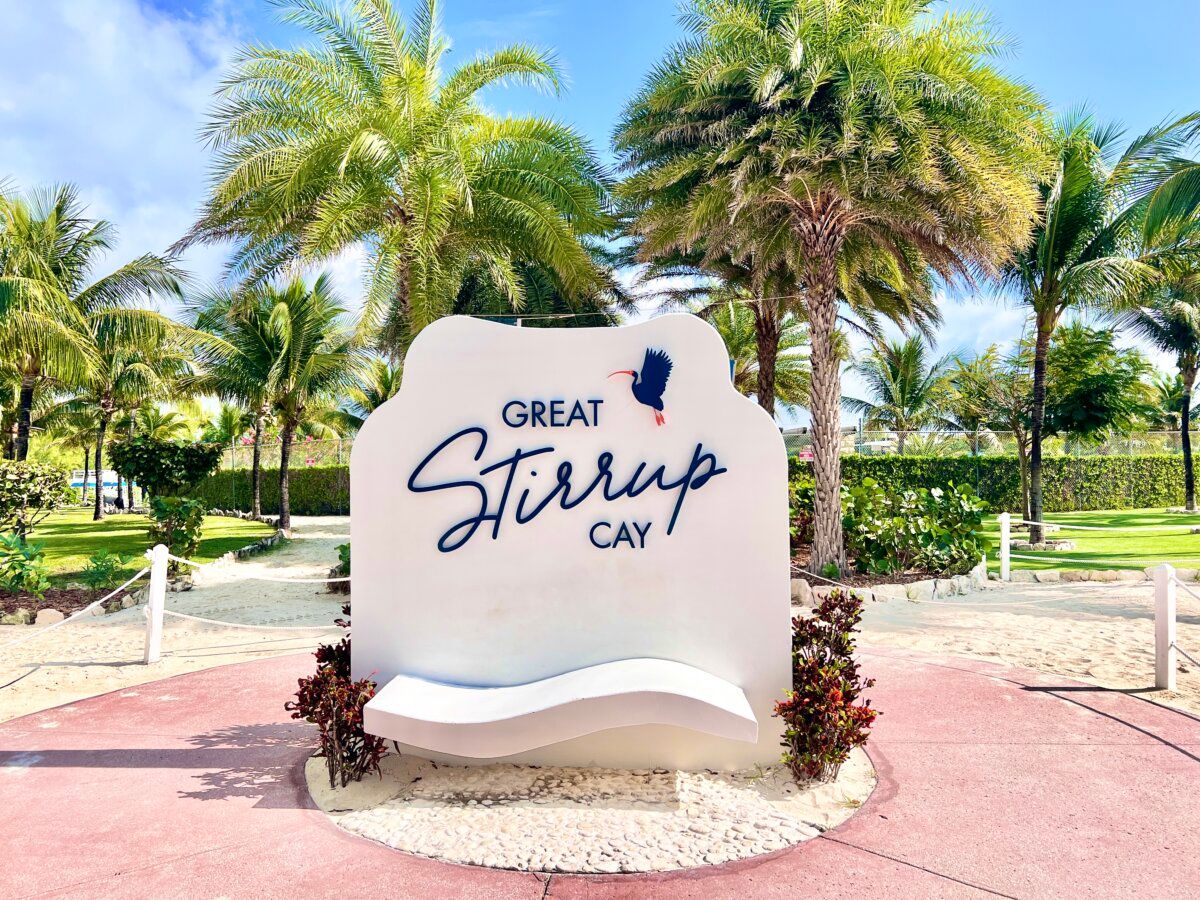
Elliott has also pointed to what it considers underutilized assets, including Norwegian’s private island in the Bahamas, Great Stirrup Cay. The firm argues that competitors have transformed their private destinations into powerful revenue engines and brand differentiators, while Norwegian has been slower to capitalize on its own.
In the presentation, the activist investor suggests that missed opportunities and delayed execution on the island have contributed to revenue headwinds rather than growth.

Elliott believes operational discipline, clearer capital allocation, and leadership changes could close the performance gap. The firm is calling for comprehensive board refreshment, a review of executive leadership, and the development of a new business plan aimed at restoring cost control and achieving industry-leading returns.
Reports indicate Elliott is prepared to push for board nominations ahead of the next annual meeting, escalating the situation from shareholder critique to a potential governance contest.
Poor deployment execution and missteps
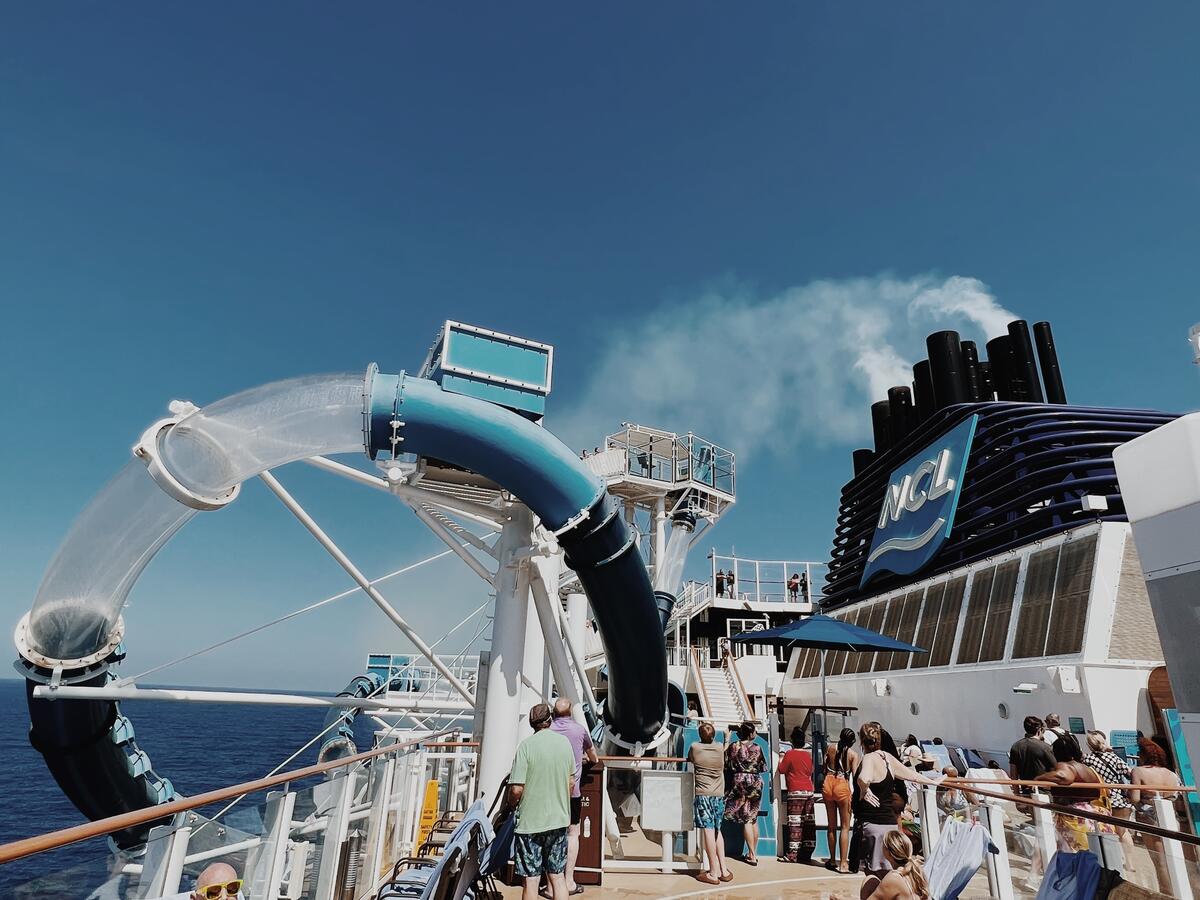
Beyond cost discipline and governance, Elliott’s presentation repeatedly points to what it describes as uneven execution, particularly around ship deployment and timing decisions.
In the deck, the firm argues that Norwegian has pursued initiatives misaligned with industry demand and then scrambled to course-correct.
One example highlighted is the company’s Caribbean redeployment strategy. While competitors leaned heavily into private island destinations and optimized their Caribbean capacity earlier, Elliott contends Norwegian was slower to invest in its private island. Then, the company rushed capacity back to the region before key enhancements at Great Stirrup Cay were complete.
The materials suggest that these were not isolated scheduling adjustments, but symptoms of reactive strategy. Elliott describes a pattern of delayed responses followed by last-minute shifts, which resulted in missed revenue opportunities and underperformance relative to Royal Caribbean and Carnival.
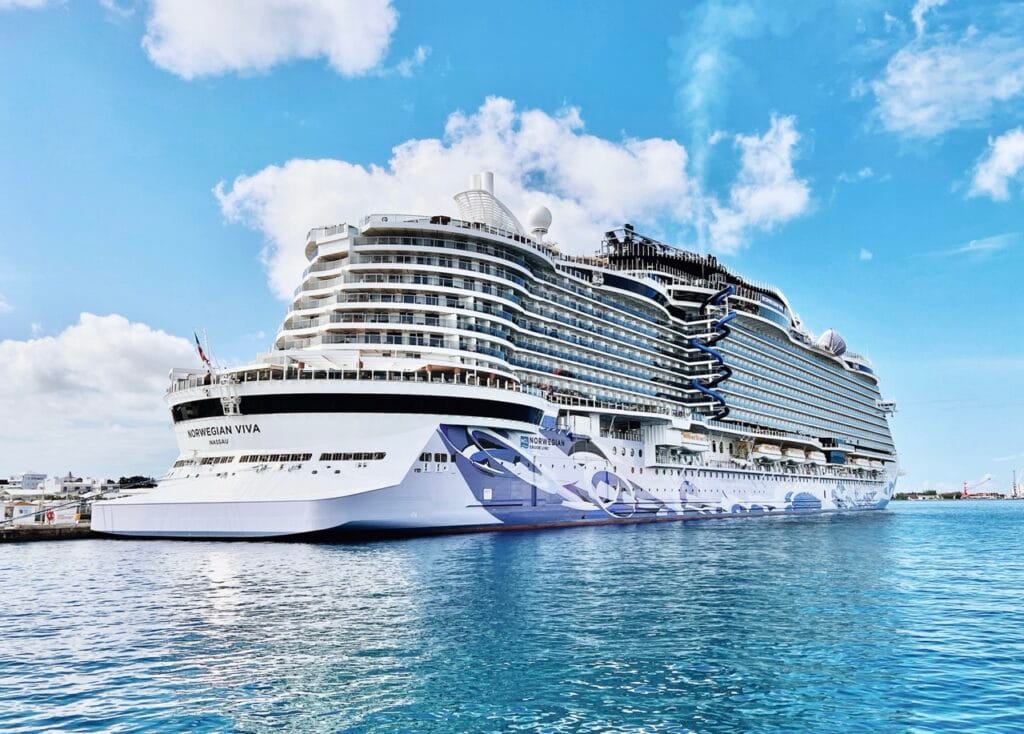
The presentation also criticizes what it calls repeated guidance misses and inaccurate forecasting, arguing that management often overpromised and underdelivered. Over time, that erosion of credibility has weighed on valuation as much as operational results.
For cruisers, deployment decisions shape everything from itinerary quality to onboard demand levels. Elliott’s broader point is that Norwegian has a strong fleet, yet inconsistent execution has prevented the company from fully capitalizing on favorable industry trends.
Whether that critique reflects temporary growing pains or deeper structural challenges is now at the center of the activist push.
Loyal NCL cruisers are leery, but don’t disagree
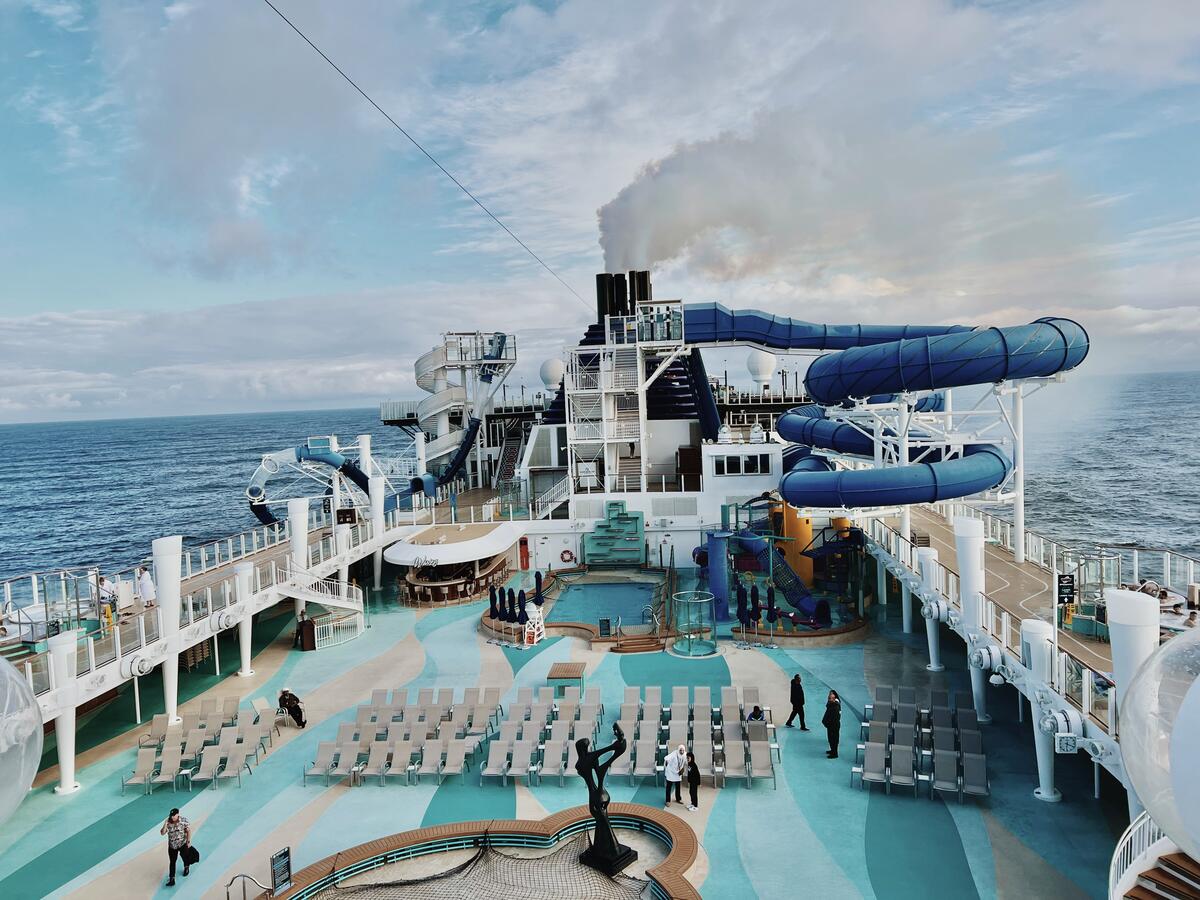
Some longtime Norwegian guests are uneasy about Elliott’s intervention, but they are not dismissing the criticism outright.
One Cruise Critic poster wrote that Elliott has “very valid points about mismanagement, strategic errors and constant missing of own expectations in the past years.”
That perspective reflects frustration that predates the activist letter. For some loyal cruisers, the investor’s critique mirrors concerns they have voiced for years about shifting strategy, rising costs, frequent policy changes, cost-cutting, and inconsistent execution.
However, many cruisers aren’t optimistic about what changes could come next. For example, Elliott previously pushed Southwest Airlines for massive overhauls at the airline during a period of operational strain. Southwest had long marketed itself as a different airline experience, with no assigned seating, free checked bags, and a distinct corporate culture.
At Southwest, Elliott’s pressure led to board refreshment and leadership changes, along with a stronger emphasis on cost discipline and operational reliability following high-profile disruptions.
The airline has since removed long-standing policies that were once central to its brand identity, including open seating and free checked bags. It also implemented a new, controversial “Extra Seat Policy” requiring “customers of size” to purchase an additional seat when deemed necessary by gate agents.
One cruiser on Cruise Critic warned, “Say goodbye to NCL as we all know it. I’ve not seen a company survive Elliott Management.”
The timing adds to that anxiety. The appointment of a CEO without direct cruise operational experience came just as Elliott publicly questioned the company’s strategic discipline. For some guests and investors alike, the rapid leadership shifts only reinforce the sense that Norwegian is at a crossroads.
The concern is not simply about cost-cutting. Instead, loyal cruisers are concerned about Norwegian losing sight of its brand identity, and whether investor pressure could lead to monetization, standardization, and the gradual erosion of what once made the cruise line unique.
Can Norwegian reset without reinventing itself?
For now, Norwegian’s ships are sailing at full capacity and its core product is unchanged. Guests still board expecting freestyle dining, large-scale entertainment, and the relaxed atmosphere that has defined the brand for years.
But the scrutiny surrounding the company is no longer limited to stock performance. It now extends to strategy, leadership stability, and the long-term direction of the brand.
Elliott’s letter frames the issue as one of execution and governance. Some loyal cruisers frame it as a gradual shift in identity that has unfolded over time through pricing adjustments, policy changes, and strategic pivots.
The challenge for Norwegian will be balancing investor demands for stronger financial returns with the expectations of repeat guests who value what has historically set the line apart. In an industry where differentiation drives loyalty, the outcome of that balancing act may prove just as important as margin expansion.