

As someone who cruises for both work and leisure, I’ve seen travelers make many of the same mistakes on European sailings. From waiting too long to book excursions to poorly planning an international flight, these decisions can have a major impact on the overall cruise experience.
At this point, I’ve visited much of Europe by cruise ship, or at least many of the destinations you can reach by sea. European itineraries make up a large portion of my cruising history.
Most of my European cruises have been with Royal Caribbean, starting with an epic high school sailing from Norway to England, Ireland, and Scotland. My husband later proposed during a Mediterranean cruise in Venice, and we returned the following year for our honeymoon to Greece and Croatia. I also cruised with my parents to Israel, which had always been on my dad’s bucket list.
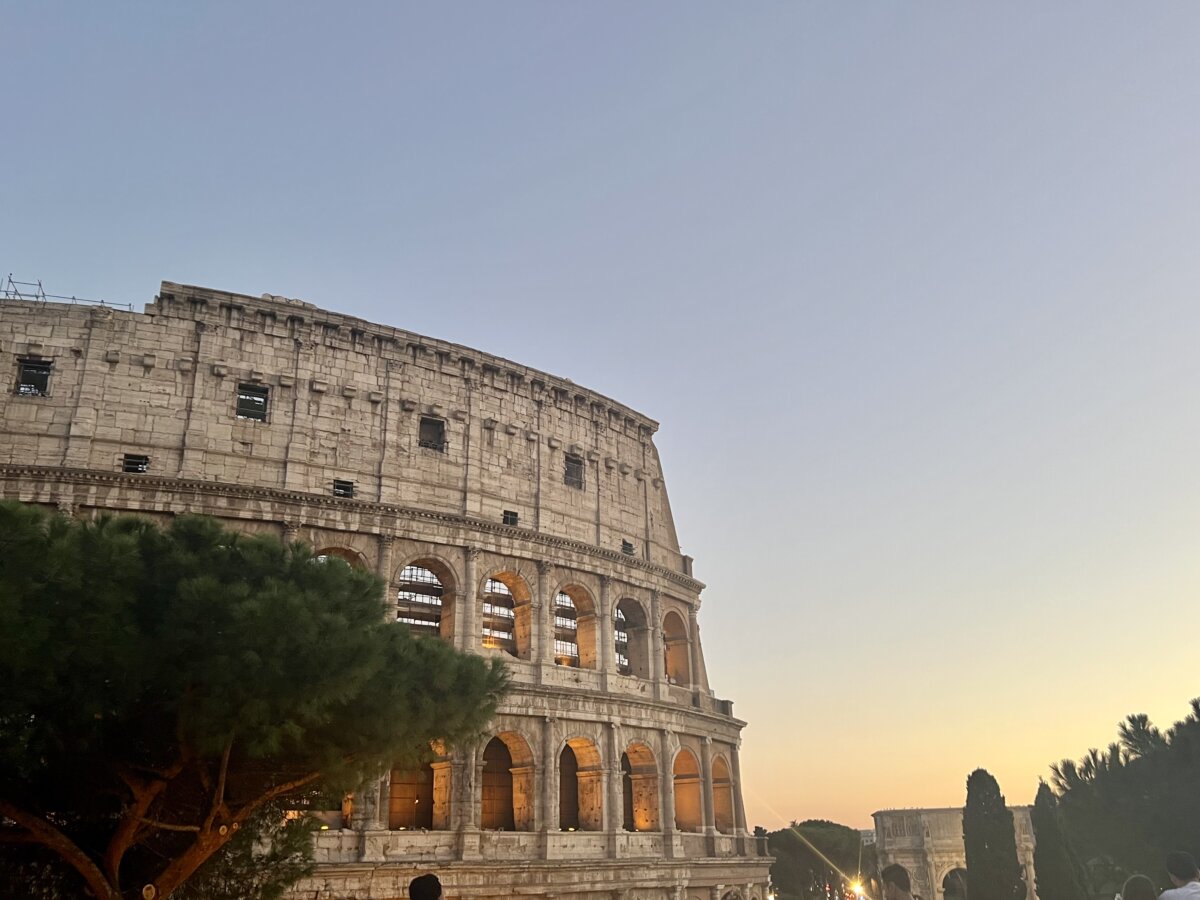
Other recent itineraries have featured destination-rich sailings to Iceland, the Norwegian fjords, the British Isles, the Baltics and Scandinavia, the Canary Islands, the French Riviera, and the Greek Isles.
I even lived on a cruise ship during college while participating in Semester at Sea for 100 days. We spent the first half of our voyage visiting destinations such as England, Spain, Greece, Italy, and Croatia.
With a little preparation, a European cruise can be one of the easiest and most rewarding ways to visit several countries in a single trip. Avoiding these common mistakes will help you spend less time worrying about logistics and more time enjoying each destination.
1. Planning flights too close to departure

You probably already know that you should fly to your departure port at least one day before your cruise. This gives you extra time in case you experience delays or cancellations.
However, when flying to Europe, I recommend arriving at least two days before your cruise departs.
Most flights from the United States travel overnight and arrive the following morning. If your original flight is canceled, you might not leave until the next night, potentially arriving on the same day your cruise departs.
I’ve met many cruisers who encountered flight problems and nearly missed their ship because they planned to arrive on embarkation day. Flying in two days early provides a much-needed buffer for potential delays. It also gives you time to recover from jet lag or explore your departure city.
2. Not exploring the embarkation city or country

One of my favorite aspects of taking a European cruise is combining a land-based vacation with a cruise. If you’re making the long (and expensive!) trip across the Atlantic, consider arriving a few days early to explore your embarkation city or another nearby destination.
For nearly every European cruise I’ve taken, we’ve arrived several days before departure. On my recent cruise to Norway from Southampton, we spent three nights in London exploring the city. This allows us to see more of the country without feeling rushed before boarding the ship.
Traveling around Europe is generally easy and affordable compared to the United States. Additionally, the continent has an excellent train network and plenty of public transportation, along with low-cost flights between many cities. This makes it easy to combine a land-based trip with a European cruise.
I highly recommend maximizing your trip with a few days of land-based travel. This is also a great opportunity to visit European destinations that cannot be reached by cruise ship!
3. Booking a cruise based only on the newest or biggest ship
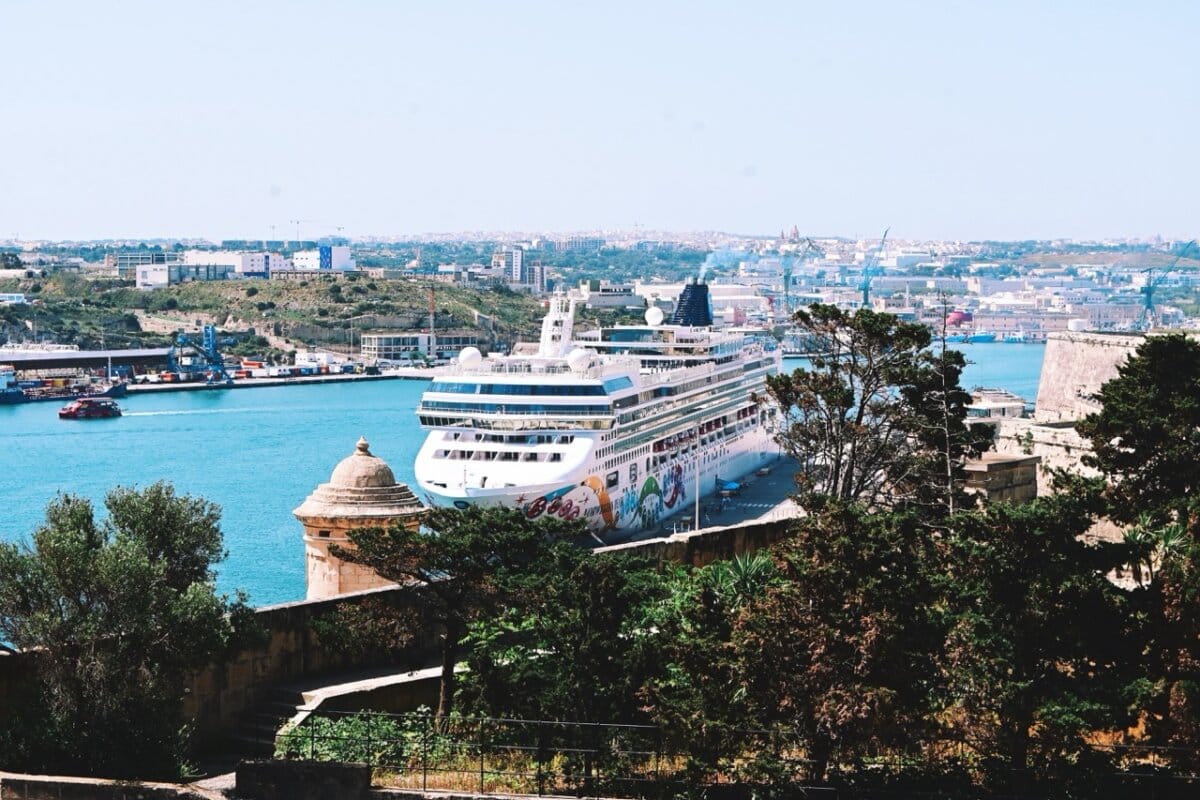
Cruise lines frequently send some of their newest and biggest ships to Europe, particularly during the summer. However, that doesn’t mean you need to pay a premium to sail on one.
Although I love cruising on new ships, I don’t mind sailing on older or smaller vessels in Europe. In fact, I often prefer these cruise ships. For my most recent Mediterranean cruise, I sailed aboard one of Norwegian’s oldest ships, NCL Pearl. It was a fantastic experience, and the ship was perfect for visiting a new destination each day.
Smaller ships can visit more unique ports, and you won’t have to deal with the same crowds found aboard the biggest vessels. European itineraries are also highly port-intensive, so you might not spend much time enjoying all the extra amenities onboard anyway.
I recommend saving the newest megaships for an itinerary with more sea days where you can really enjoy the ship. For a European cruise, I recommend choosing your sailing based on the destinations you want to visit rather than prioritizing the ship.
4. Waiting too long to book excursions
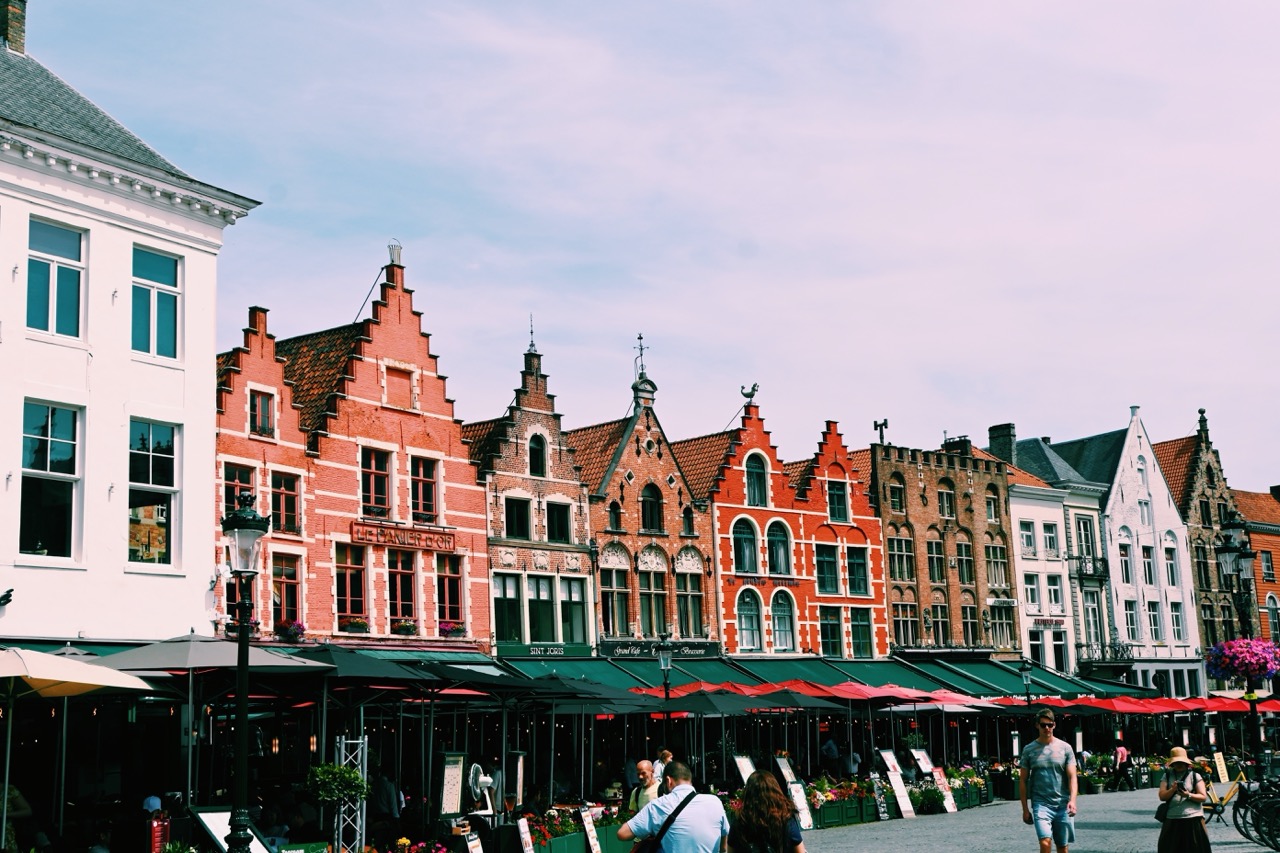
If you plan to book an excursion through the cruise line, do not wait too long to reserve it. As soon as tours become available, it’s best to secure your spot.
On my cruise to the Holy Land, we booked our full-day excursions as soon as they were released. Even months before departure, the most popular tours sold out. Other passengers were left frantically searching for third-party excursions or planning their port days independently.
I recommend booking your cruise-sponsored excursions as soon as you can. You’ll have some flexibility even after paying for the tour, so you aren’t really locked in until the sailing. In many cases, you can cancel a cruise-line excursion within 24 to 48 hours of arrival for a full refund, although policies vary by cruise line.
If you find a tour you’re interested in, booking early gives you time to reconsider later without risking it selling out.
5. Booking too many excursions
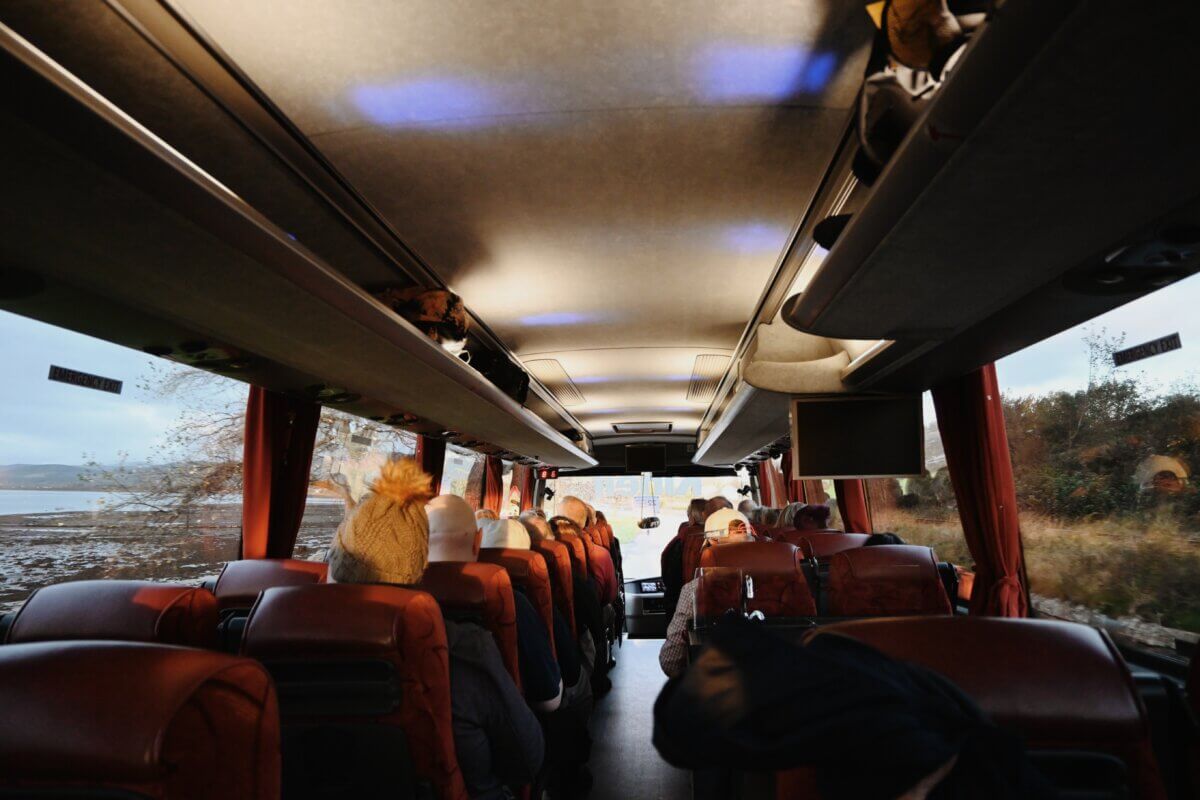
Although you should reserve high-priority excursions early, that doesn’t mean you need to book a tour in every port.
During my first European cruise, my family booked an excursion for every single destination. After a few days, we realized this really wasn’t necessary. As a result, our vacation felt more rushed than we wanted.
Many European cities are easy to explore independently. Depending on the itinerary, your ship might dock within walking distance of the city center or near convenient public transportation. Before booking a tour, research how far the port is from the main attractions. If the ship docks near the city, I usually prefer exploring at my own pace.
However, an excursion can be worthwhile when the destination is far from the cruise port. For example, Civitavecchia is located a considerable distance from Rome, and it’s not super easy to reach on your own. If you want to see the city’s major attractions in a single day, an organized excursion can simplify the logistics and help you maximize your time in port.
6. Not reading the tour’s fine print
One of the most common mistakes I see on European cruises is booking an excursion without carefully reading its description.
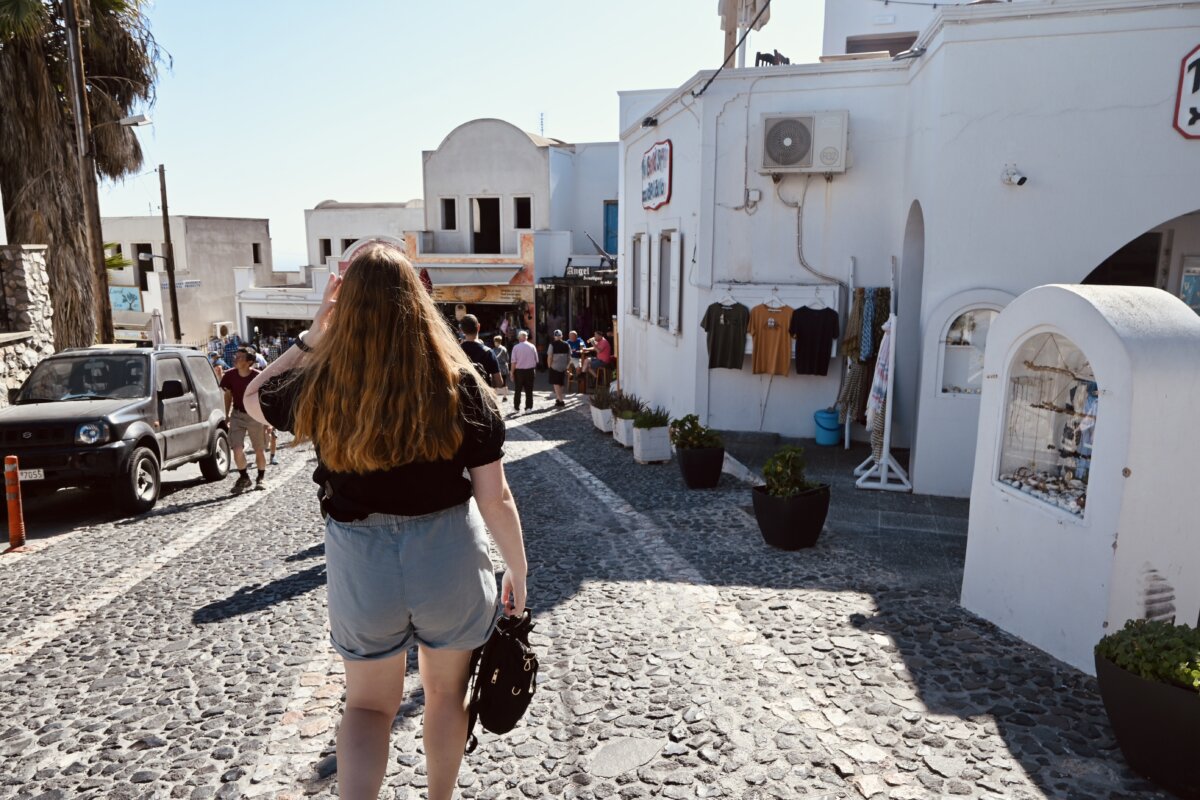
Europe has more cobblestones, stairs, and hills than many travelers from the United States might expect. If a tour states that participants must be able to walk two miles over uneven surfaces and uphill, take that warning seriously.
You do not want to find yourself on a tour that is unsuitable for your mobility or comfort level. This can become a safety issue and potentially affect the experience of everyone else in the group.
Fortunately, cruise lines typically offer excursions for guests with limited mobility, as well as gentler options for those who prefer a more leisurely pace. Before booking, review the activity rating and accessibility details carefully to ensure the experience is right for you.
7. Waiting too long to get tender tickets
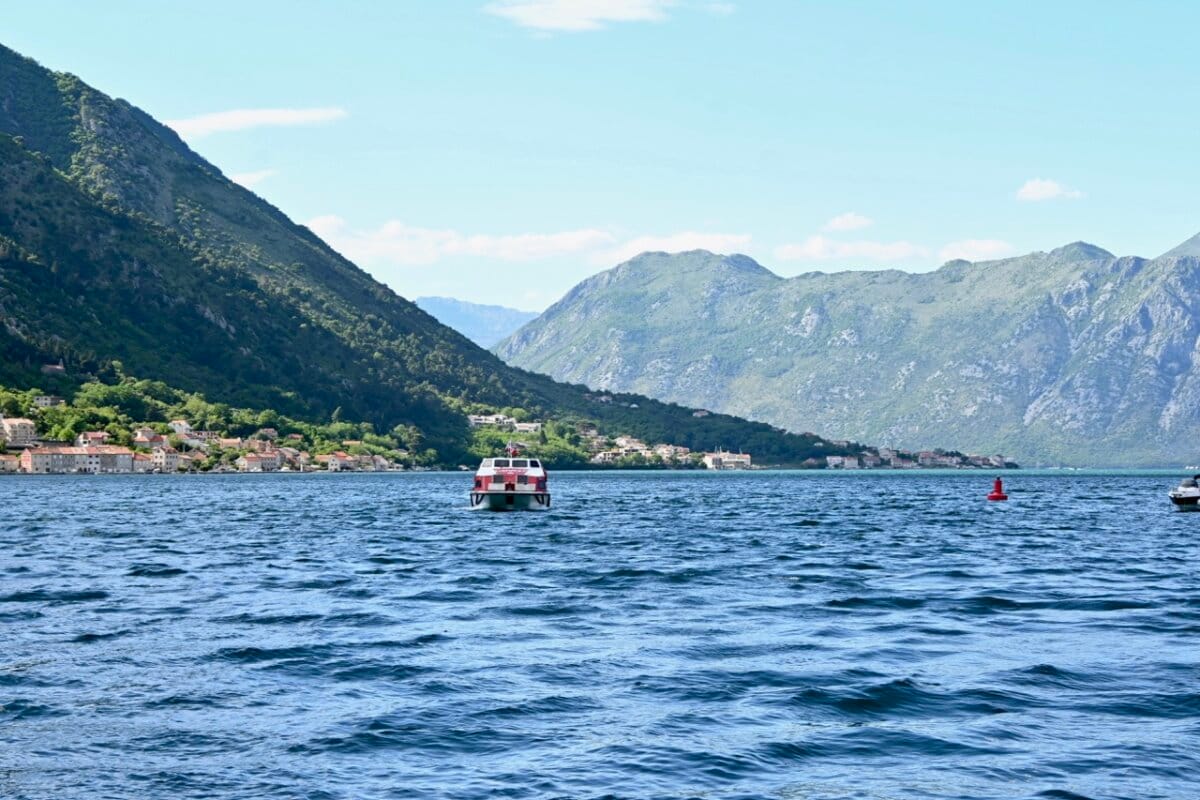
Some European ports require ships to anchor offshore and transport passengers to land by tender boat, a process that can catch first-time cruisers by surprise. With thousands of guests trying to disembark, and shore excursion groups often receiving priority, the trip ashore may take longer than expected.
To keep the process organized, many cruise lines distribute tender tickets with assigned departure groups. Check the onboard schedule to find out when and where tickets will be available, and pick yours up as early as possible. I recommend choosing the earliest departure time you would be comfortable taking.
If you miss your assigned group, you can usually leave later, while an early ticket gives you greater flexibility and more time in port. Guests staying in certain suites or holding eligible loyalty status may also receive priority tendering, so confirm whether this benefit is included with your booking.
8. Not packing comfortable walking shoes

You will likely do far more walking on a European cruise than on a typical Caribbean sailing, making comfortable footwear essential. I always prioritize packing comfortable walking shoes that I can wear regardless of my outfit or activity.
On a short cruise from Spain to Portugal, I traveled with only a backpack, as we moved between multiple destinations. Although I was tempted to pack a few stylish options for shoes, I brought just one dependable pair of walking shoes—and was very glad I did.
It is easy to prioritize style over comfort, but Europe’s cobblestones, uneven streets, and long sightseeing days can quickly make the wrong shoes feel unbearable. I recommend packing a comfortable pair you have already broken in rather than testing new footwear during your trip. A blister on the first day could affect the rest of your cruise, so come prepared!
9. Underestimating the summer heat
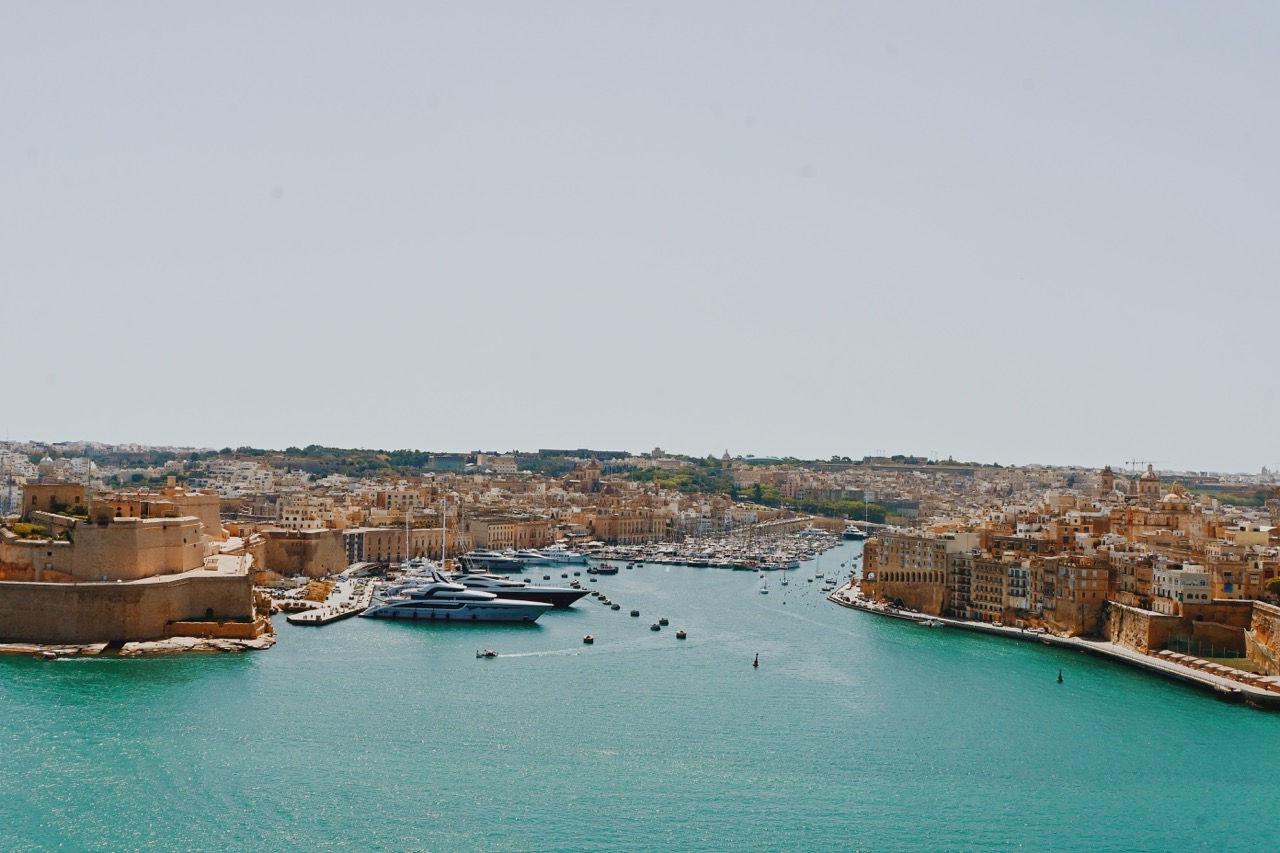
During one of our European cruises, my family flew into Rome and went directly to the Colosseum for a tour. We were already fighting jet lag, and the temperature was around 90 degrees with very little shade or water.
Coming from the Midwest, we were unprepared for how intense it would feel. My sister nearly fainted from the heat! And since then, it seems that Europe has only been getting warmer with record-breaking temperatures each year.
If you’re cruising across Europe during the summer, expect high temperatures. You may spend hours touring crowded ancient sites, and not every building or vehicle will have air conditioning.
Pack strategically for these sailings and come prepared for long, warm days ashore. I recommend bringing lightweight, breathable clothing, sunscreen, and a refillable water bottle. A small portable fan can also make a noticeable difference in keeping you comfortable throughout the day. I love using this handheld fan for traveling, which is also a portable charger and flashlight.
If you use this link for the handheld fan on Amazon, we receive a small commission at no extra cost to you!
10. Not trying the local food

Growing up, my family rarely ate local food during our European cruises. We would have a large breakfast onboard, spend the day sightseeing, and wait until we returned to the ship for dinner. Looking back, I think we missed out on an important part of the experience.
Sampling the local cuisine in destinations such as Italy, France, Spain, and Greece has since become one of my favorite parts of cruising in Europe. After all, you can’t travel all the way to Italy without enjoying freshly made pasta!
Consider making time for lunch during your day in port, whether that means tapas and sangria in Spain, pizza or pasta in Italy, a warm croissant in France, or chicken souvlaki in Greece. Even if you only grab something to go or stop at a neighborhood café, tasting the local food is one of the best ways to experience a destination and its culture.
11. Taking too much cash

I see many cruisers withdraw large amounts of cash before traveling to Europe, but this is really isn’t necessary. Credit cards are widely accepted throughout much of Europe. If you want some cash for small purchases, consider using an ATM after you arrive instead of traveling with a large amount.
On one trip through London, Spain, and Portugal, I didn’t withdraw any cash and never needed it. However, payment habits vary by country and destination, so doing some research before your trip can be helpful.
If I’m visiting multiple countries that use the euro, I might carry around €100 for situations where cash is more convenient. Some smaller vendors or markets will only accept cash, and it’s also good to have on-hand for tips. In most cases, though, there is no reason to travel with a large wad of money.
12. Traveling with only American Express or Discover cards
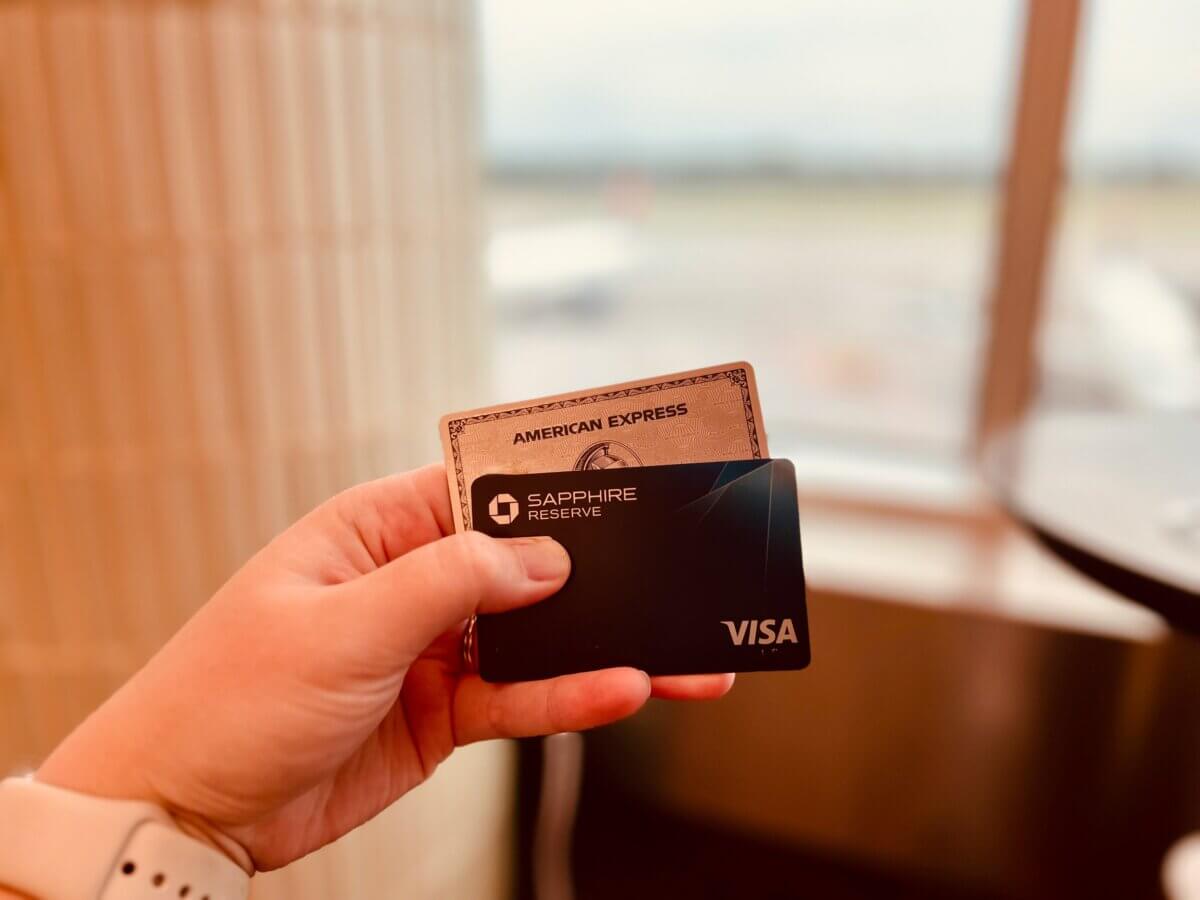
American Express and Discover are commonly used in the United States, but they are not accepted as widely throughout Europe.
For your European cruise, you should travel with a Visa or Mastercard. Because Visa is widely accepted around the world, and I never travel internationally without one. I like using my American Express card when possible, but I’ve found that many European businesses do not accept it.
Also, make sure at least one of your cards does not charge foreign transaction fees. I travel with multiple cards in case one is declined, lost, or compromised. That way, I’m never left without access to money.