Cruising to South America and Patagonia was truly one of the hardest cruises I’ve ever had to pack for!
On our 14-night sailing aboard the Celebrity Equinox, we cruised from the end of February through early March, which is considered late summer in South America. Even during one of the warmest times of year, the weather varied dramatically throughout the trip.
We went from hot, sunny days in Buenos Aires and Uruguay to cold temperatures, strong winds, and rainy conditions near Patagonia and Cape Horn. Unlike a typical Caribbean cruise where you can mostly live in swimsuits and sundresses, this itinerary required packing for multiple climates at once.
Some days felt like summer, while others required winter layers, hats, gloves, and waterproof outerwear. Add in the fact that a 14-night cruise already requires more clothing overall, and packing quickly became a challenge!
In fact, I really struggled figuring out what to bring for this cruise. I ended up checking two large suitcases and bringing a small carry-on, which is more than I normally pack.
Surprisingly, I actually wore most of what I brought. I also intentionally left extra room in my luggage for souvenirs, and by the end of the trip, I had completely filled that space!
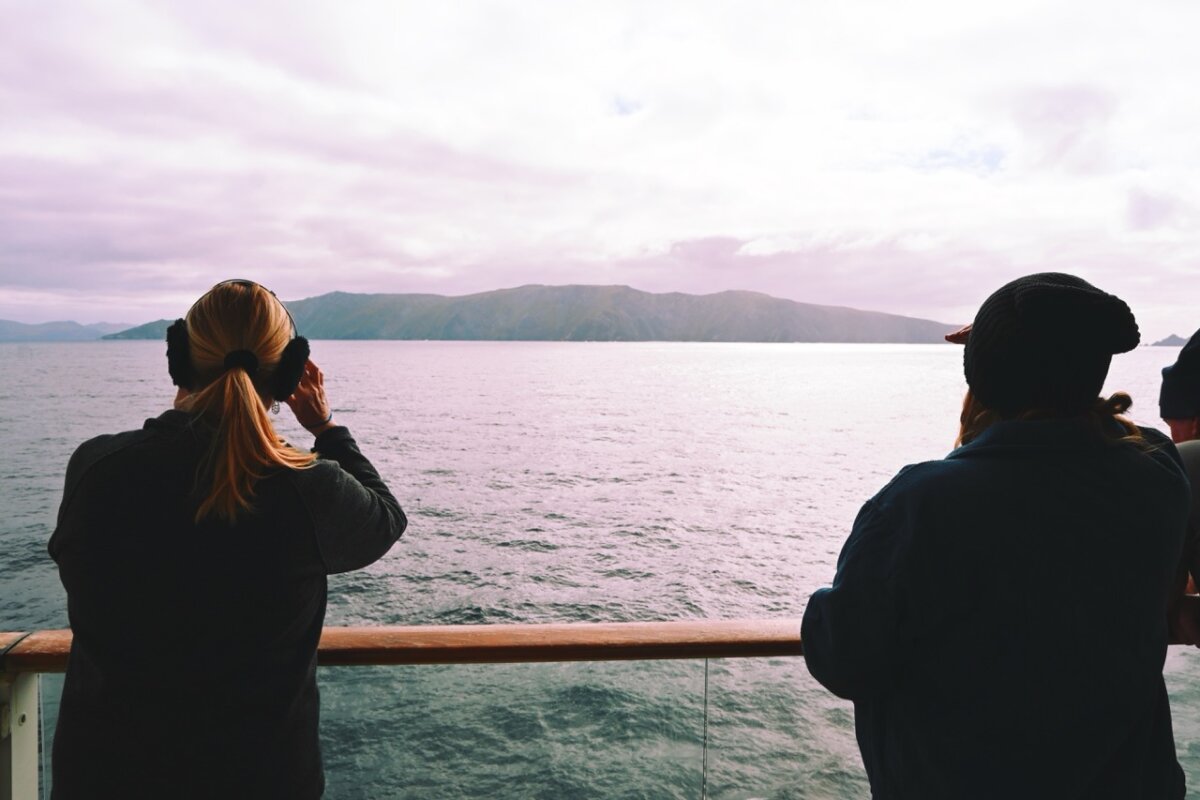
Our itinerary included stops in Uruguay, the Falkland Islands, Argentina, Chile, and Patagonia. Because of this, packing for a South America cruise is all about versatility, layering, and being prepared for unpredictable weather.
To help give you a realistic idea of what to wear on this type of itinerary, I’m sharing the outfits I wore in each port during our South America cruise aboard Celebrity Equinox.
I’ll also include the average temperatures and weather conditions you can typically expect in each destination. At the end of this guide, I’ll share my biggest packing tips, including what I was glad I brought and a few things I wish I had done differently.
Buenos Aires, Argentina
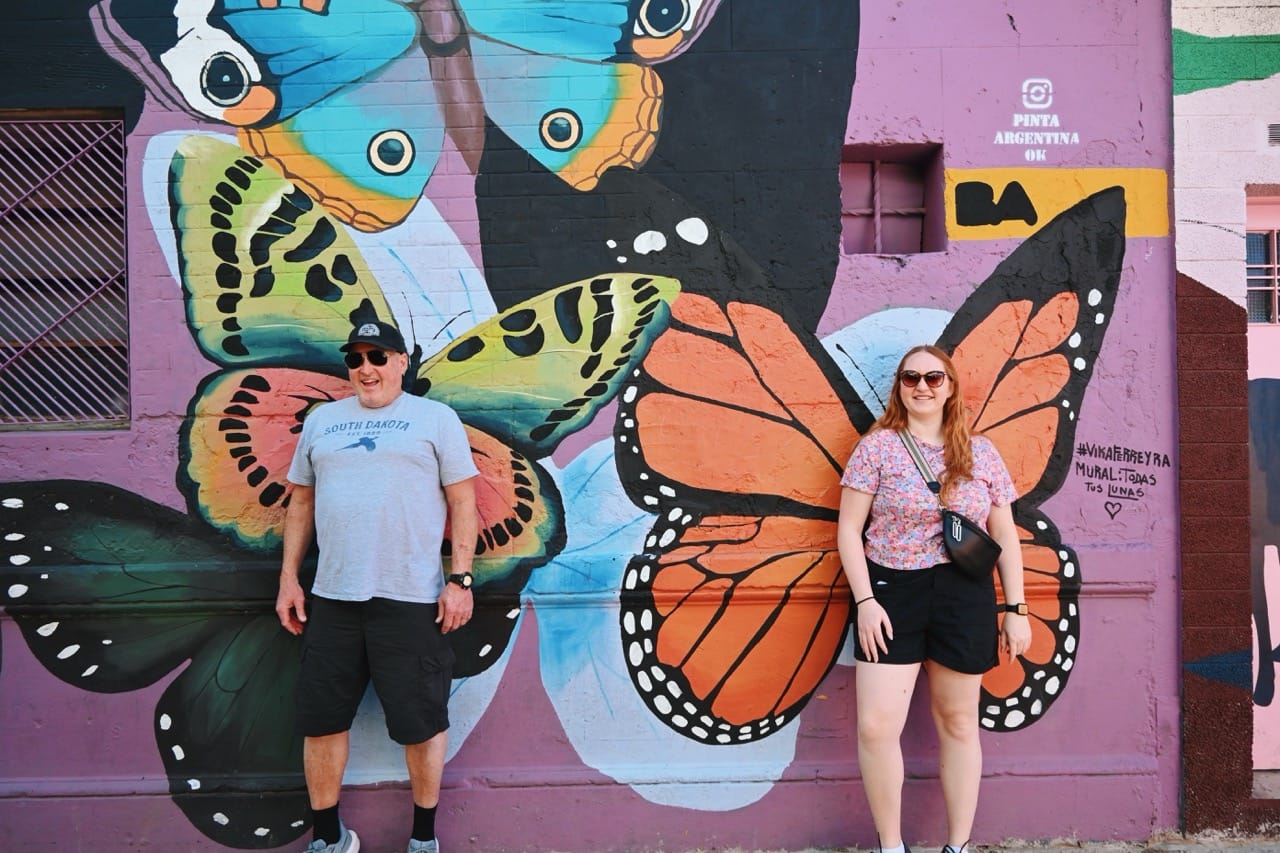
Average late summer temperatures in Buenos Aires typically range from about 68°F to 84°F. During this time of year, you can usually expect warm temperatures, sunshine, humidity, and mild evenings, although occasional rain showers are possible.
Buenos Aires ended up being one of the warmest stops on our itinerary, and I was glad I packed lightweight summer clothing for the city.
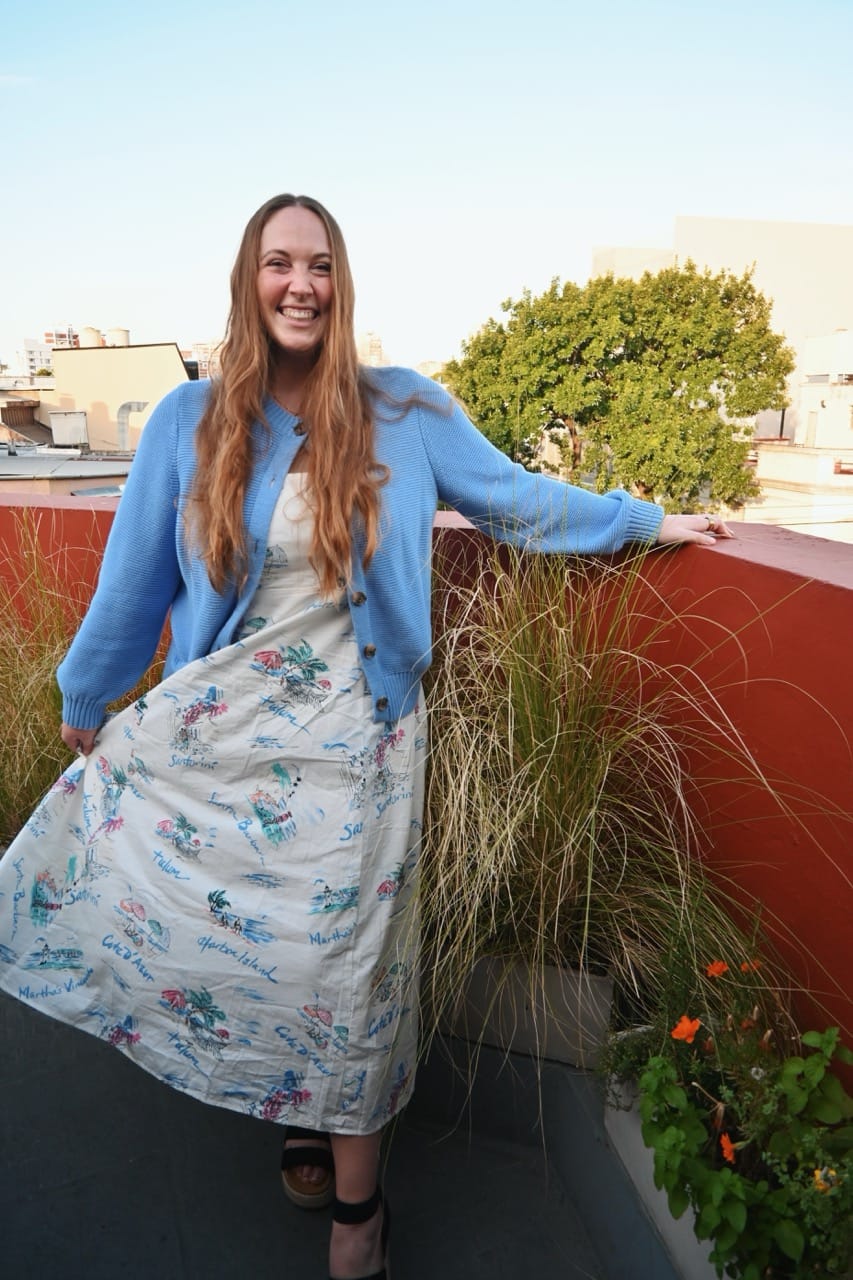
For our first night in Buenos Aires, we booked an incredible rooftop asado experience overlooking the city. Since dinner was outdoors, I wore a sundress paired with a lightweight cardigan.
During the daytime, it was still very warm, but once the sun went down, the temperature became noticeably cooler and the cardigan was definitely needed.
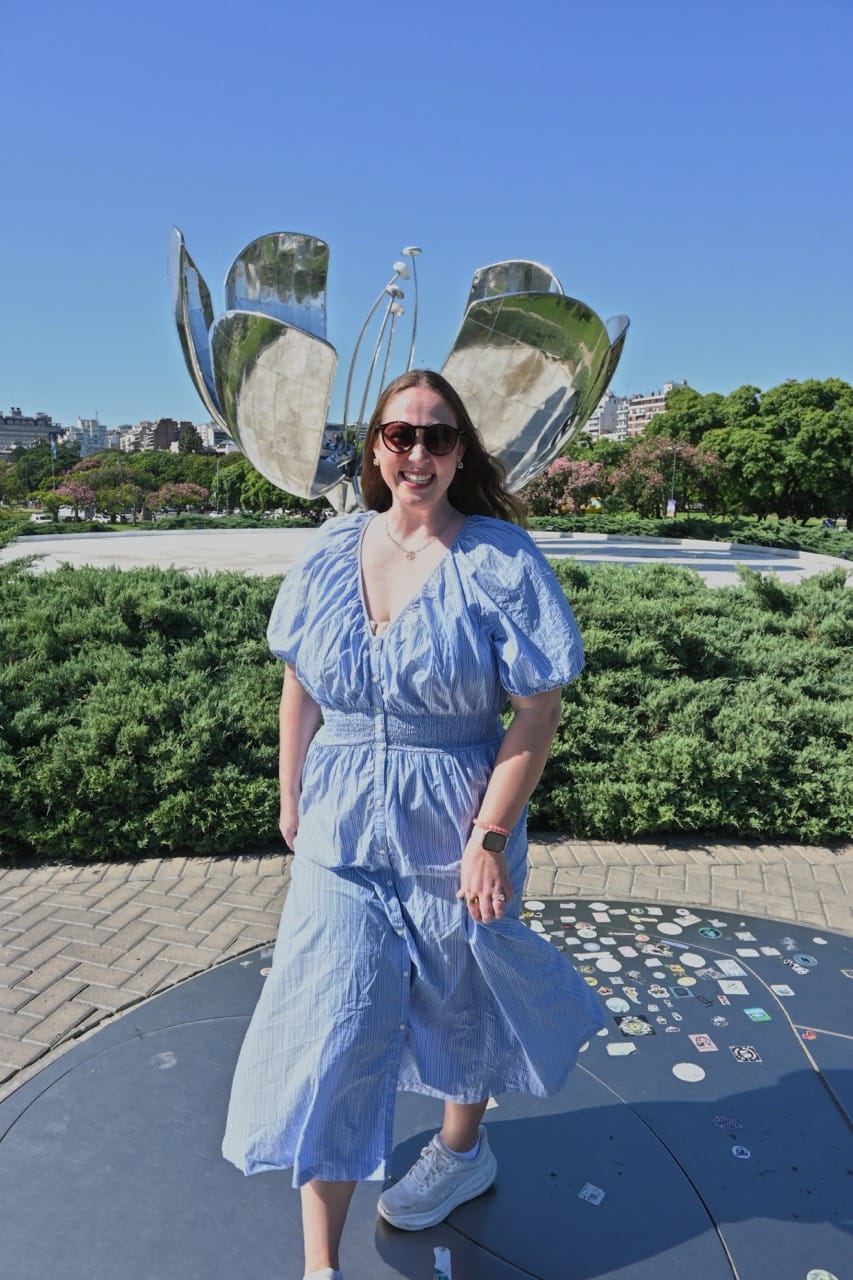
The next day, I wore a long blue dress that was breezy and comfortable for walking around the city. We had another sunny day with warm temperatures, so lightweight fabrics worked best.
My sister wore shorts with a short-sleeve top and was perfectly comfortable throughout the day as well.
Montevideo, Uruguay
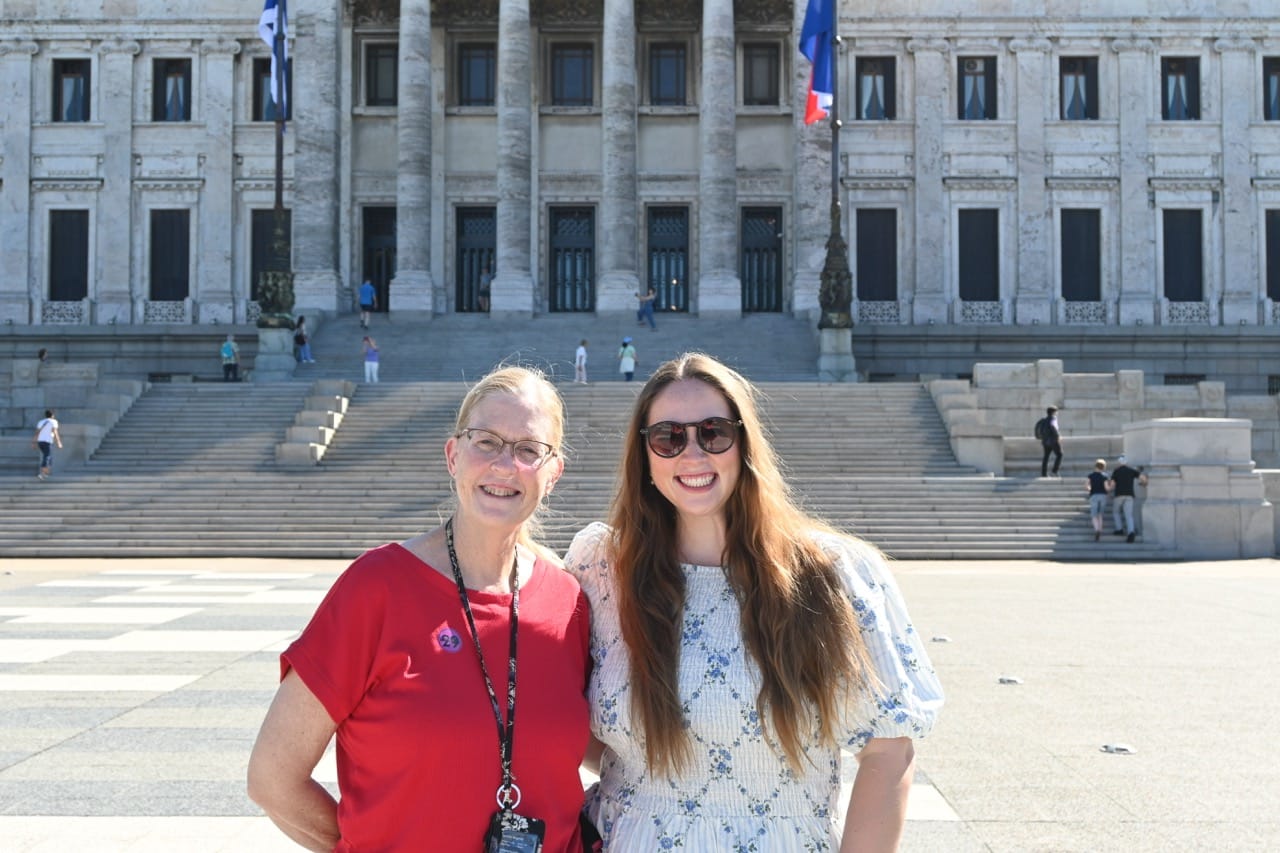
Average temperatures in Montevideo usually range from about 67°F to 81°F. Similar to Buenos Aires, you can generally expect warm weather, sunshine, and occasional humidity during this time of year.
During our stop in Uruguay, we booked a city highlights tour and tango performance, which involved quite a bit of walking around Montevideo.
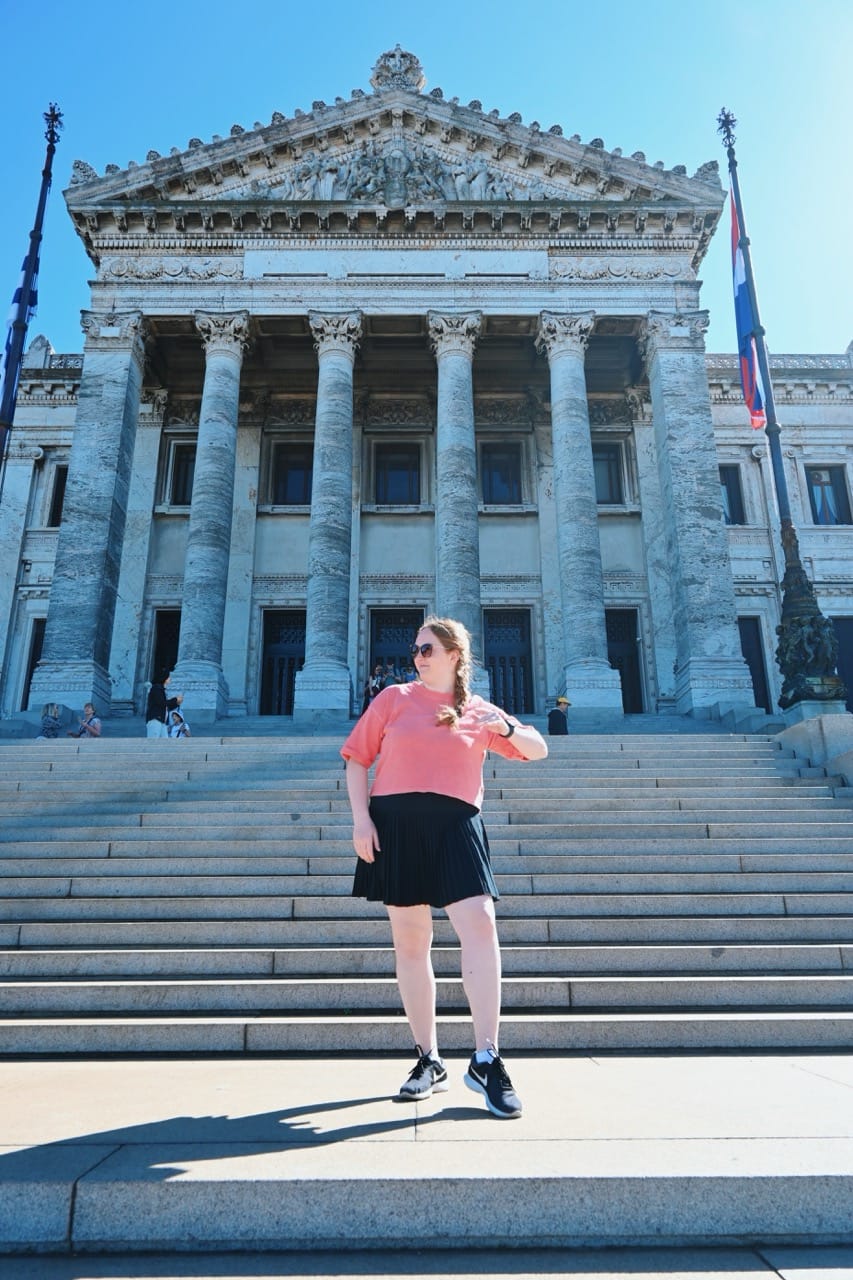
I wore a comfortable casual dress paired with white sneakers, which ended up being the perfect combination for the day. It was definitely warm outside, although not unbearably hot, and the comfortable shoes made a huge difference while walking through the city.
This was another port where breathable fabrics and lightweight outfits worked best, especially during the afternoon.
Falkland Islands (Port Stanley)
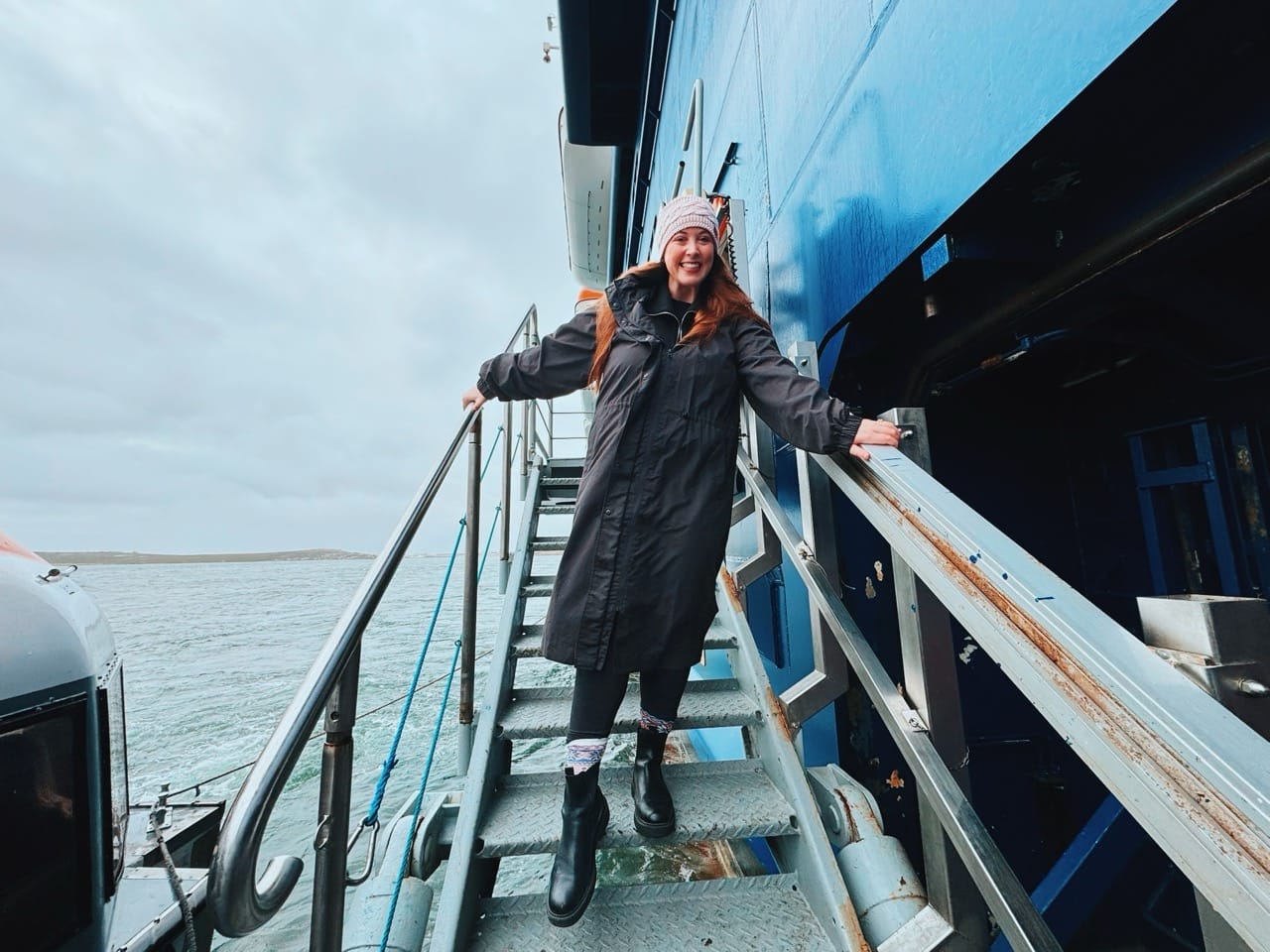
Average temperatures in the Falkland Islands usually range from about 41°F to 55°F. This is where the weather on our cruise changed dramatically compared to Buenos Aires and Uruguay.
The Falkland Islands were by far the coldest, wettest, and most unpredictable port on our itinerary. Weather conditions can change incredibly quickly here, especially with the strong winds the islands are known for.
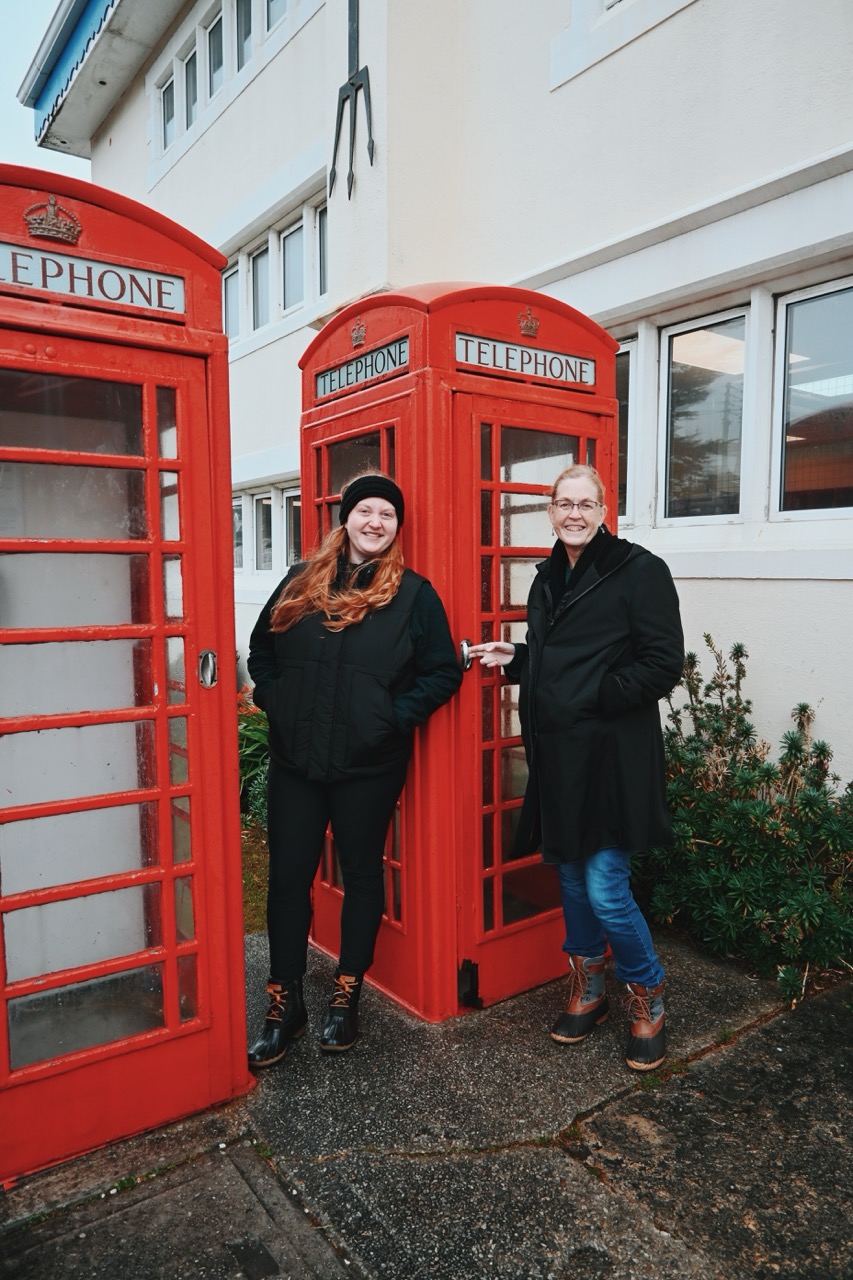
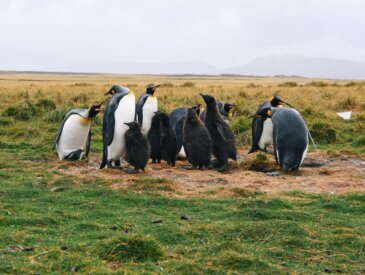
We were lucky our ship was able to dock despite the windy conditions, although the tender ride was still a little rough at times. For this port, we booked an excursion to Bluff Cove Lagoon to see the penguins, which ended up being one of the highlights of the entire cruise.
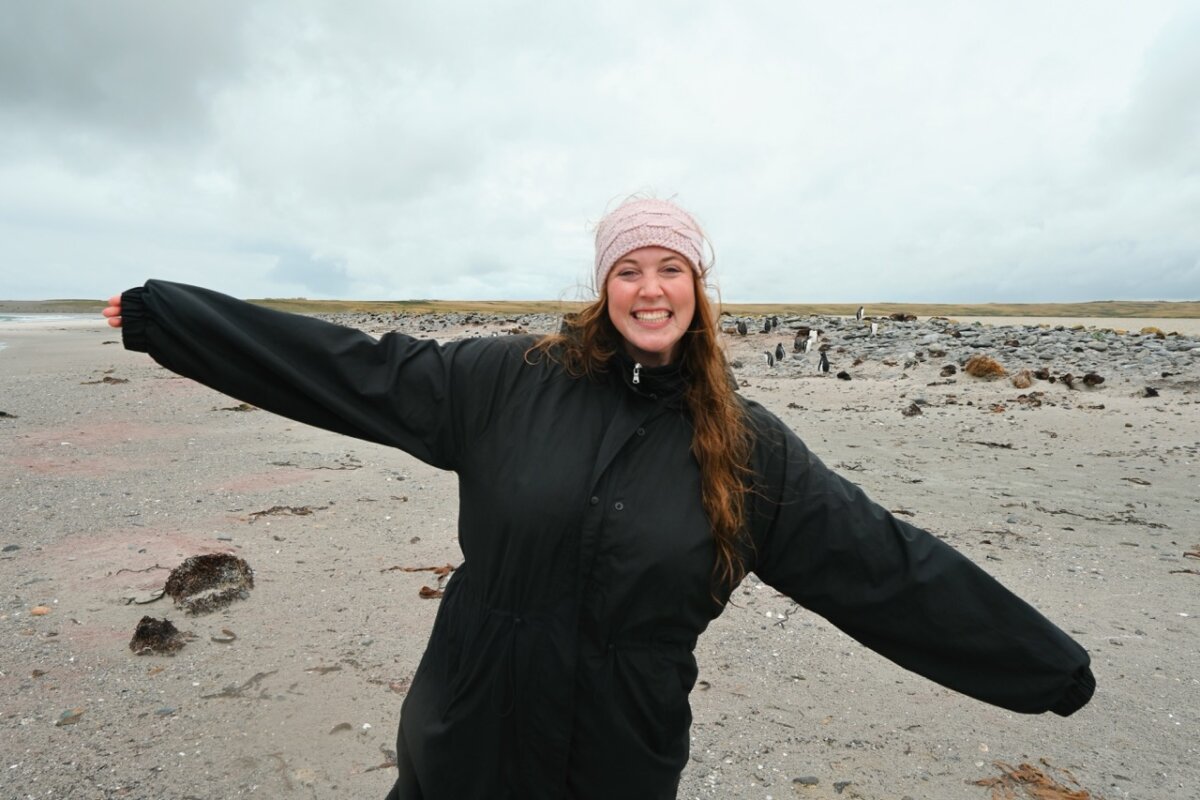
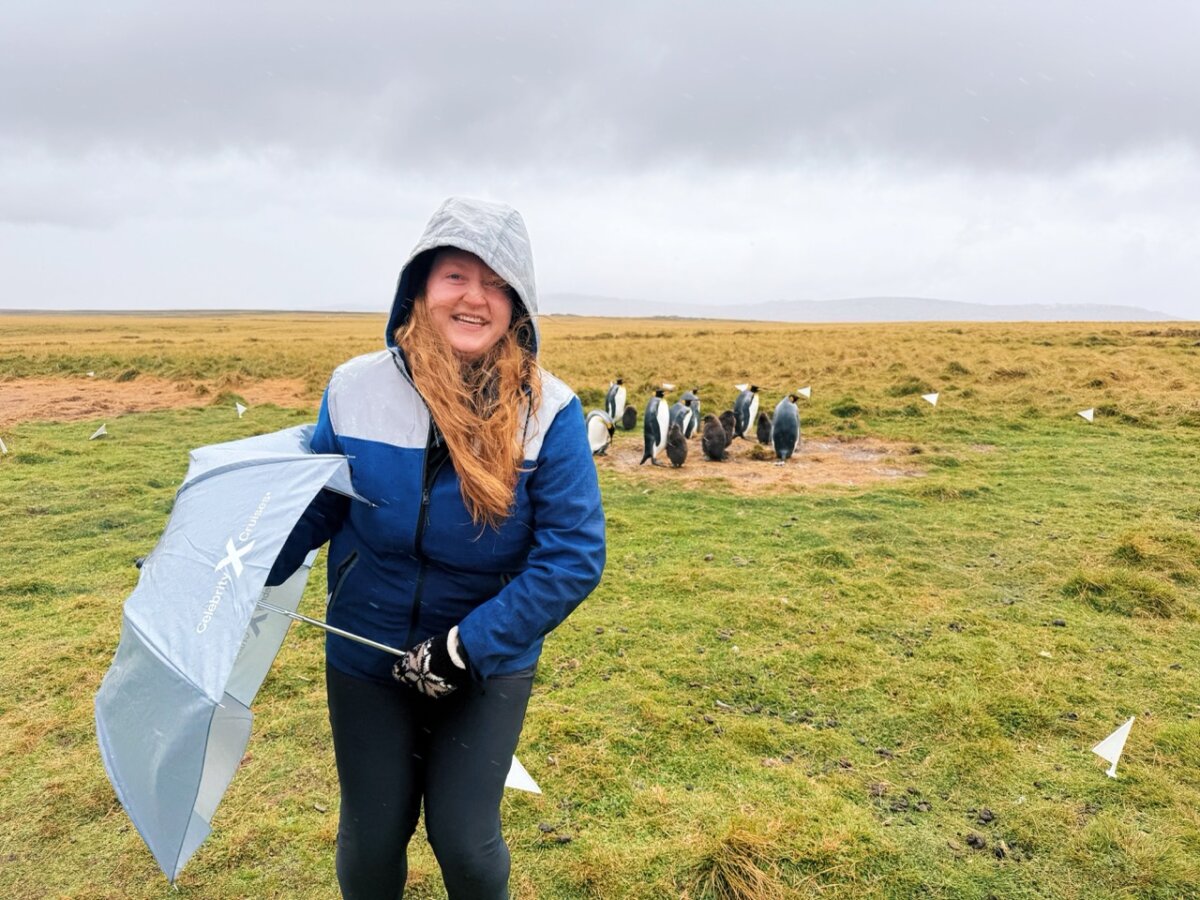
This was also the first port where true waterproof gear became absolutely essential. To visit the penguins, we had to walk through muddy, wet terrain, and the conditions were extremely windy and rainy throughout the excursion.
I wore rain boots, a long waterproof rain coat, gloves, and a hat to stay warm and dry. Under my jacket, I had warm socks, black leggings, and a warm sweater.
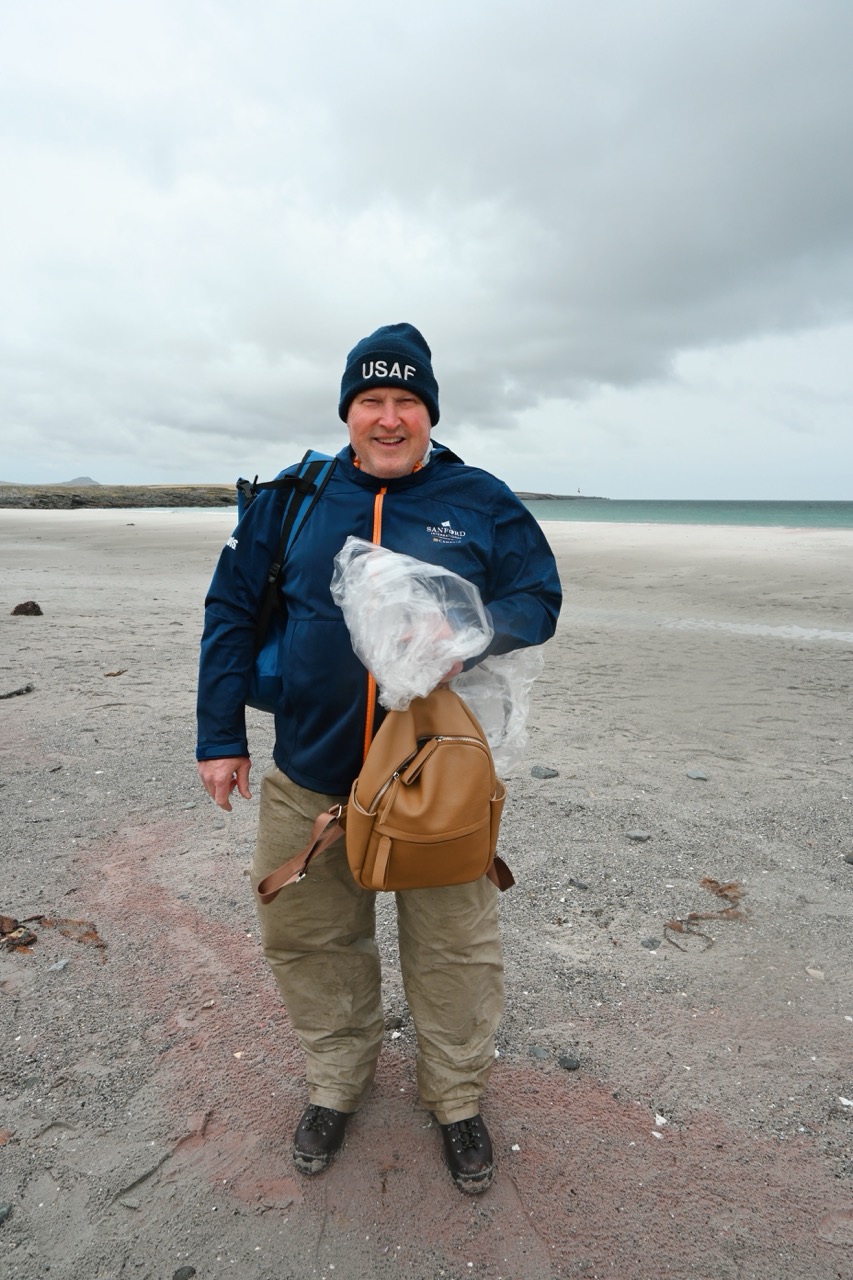
Even with all the layers, we still got fairly wet from the rain and mud during the day.
One item that ended up being incredibly useful was a waterproof day pack. Since the weather was so harsh and unpredictable, having a waterproof bag helped protect our phones and cameras from getting soaked.
This was definitely not a port for cute outfits or fashion-forward looks. Practical, waterproof clothing was far more important here. Even if your forecast looks decent, I would still prepare for cold wind and rain in the Falkland Islands because the weather can shift very quickly.
Cape Horn Scenic Cruising
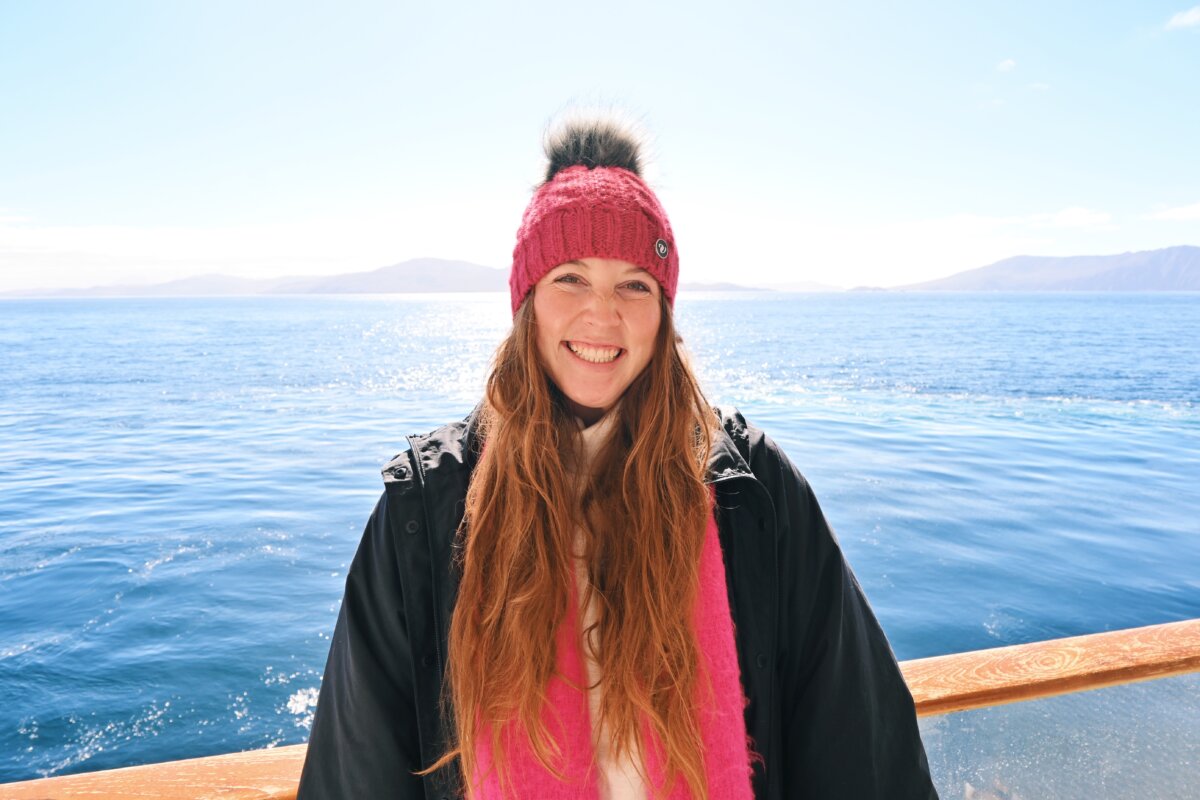
Average temperatures near Cape Horn usually range from about 39°F to 52°F, although strong winds can make it feel much colder. Weather conditions here are famously unpredictable, and it’s common to experience fog, rain, rough seas, and rapidly changing temperatures throughout the day.
As we moved farther south toward Cape Horn, the weather noticeably became colder during our sea days aboard the Celebrity Equinox. This was when I fully transitioned away from my warm-weather outfits and started wearing longer pants, sweaters, and heavier layers around the ship.
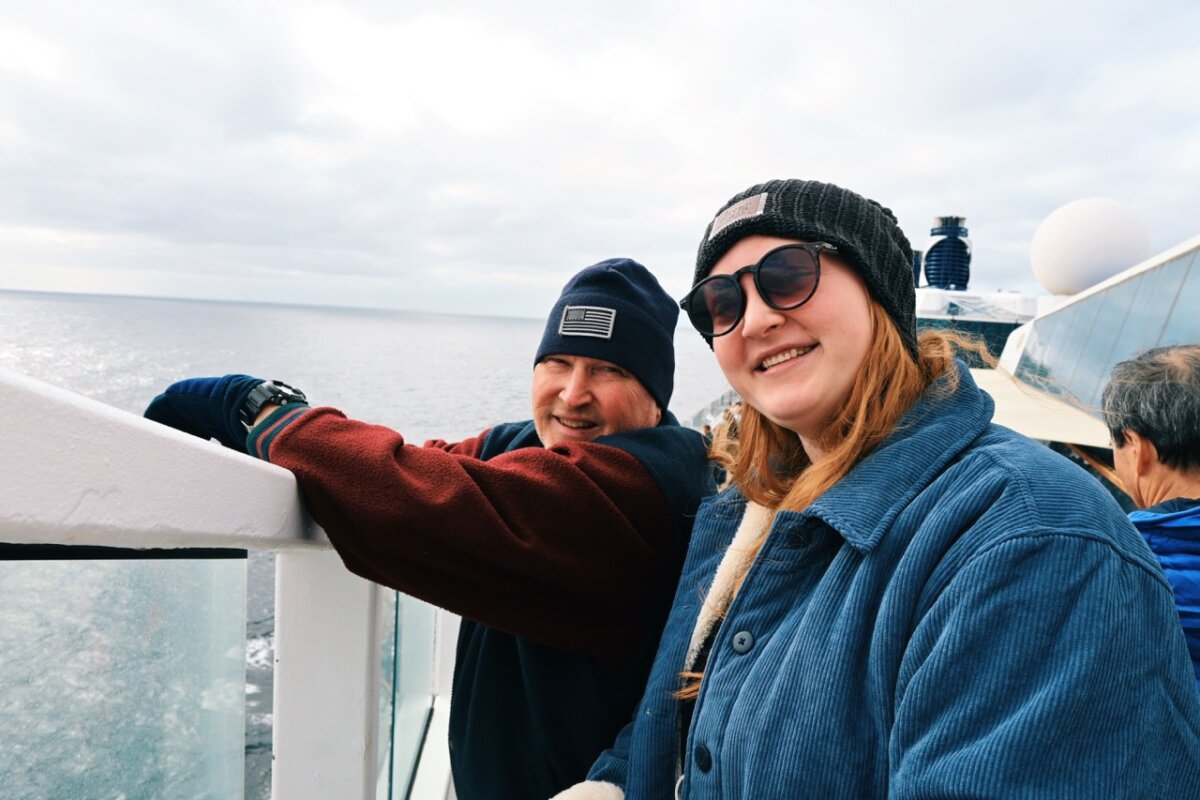
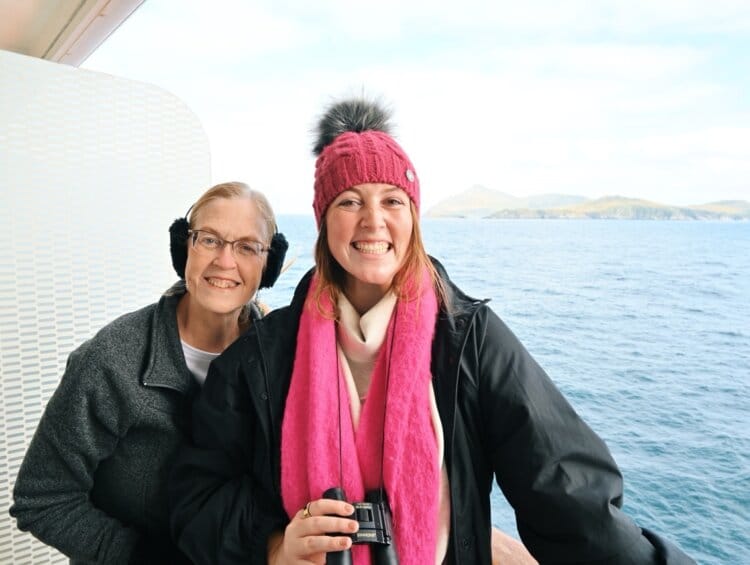
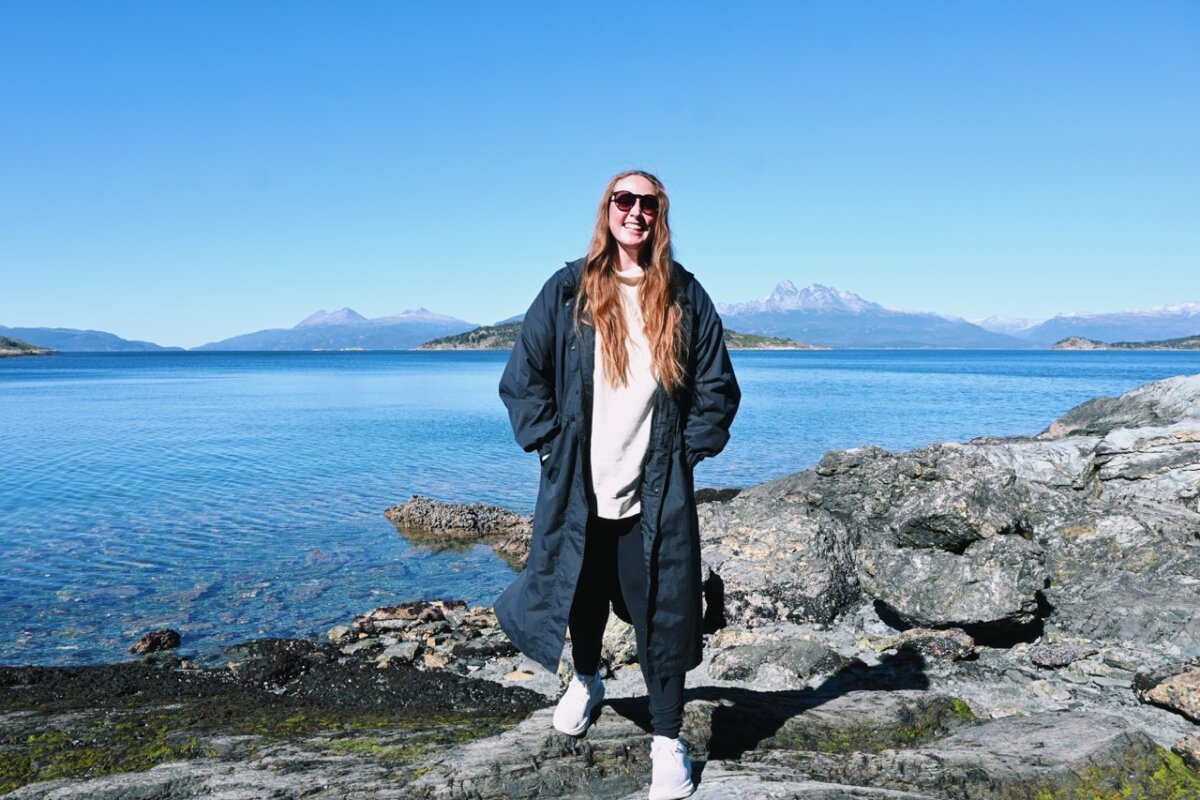
When we arrived near Cape Horn, the morning was cold, windy, and fairly foggy. Since we knew we would be spending most of the day outside watching the scenery, I layered up with my long black rain coat, gloves, scarf, and a warm hat.
If you cruise this itinerary, prepare to spend hours outside during scenic cruising days. Between the dramatic landscapes and wildlife spotting, this is one of the most beautiful parts of the voyage and you won’t want to miss it from indoors.
Surprisingly, we ended up being extraordinarily lucky with the weather that afternoon. The fog cleared, the sun came out, and temperatures warmed up enough that we eventually didn’t even need our jackets while standing outside on deck.
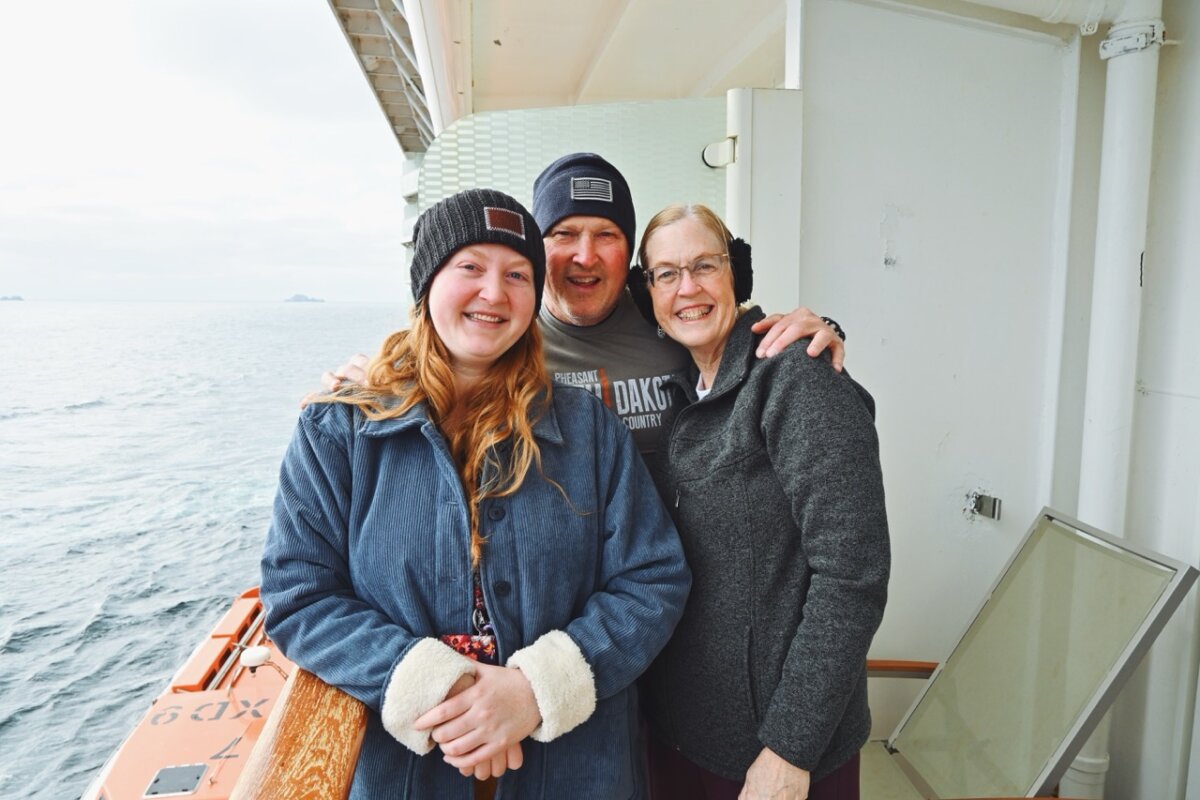
From what we heard onboard, this was very unusual for Cape Horn.
Even though we lucked out with sunshine, I would still strongly recommend packing for cold, wet, and windy conditions because weather here can change incredibly fast.
The biggest lesson I learned during this part of the cruise was that layering is absolutely essential. You might start the morning bundled in winter gear and end the afternoon standing in sunshine wearing only a light sweater.
Ushuaia, Argentina
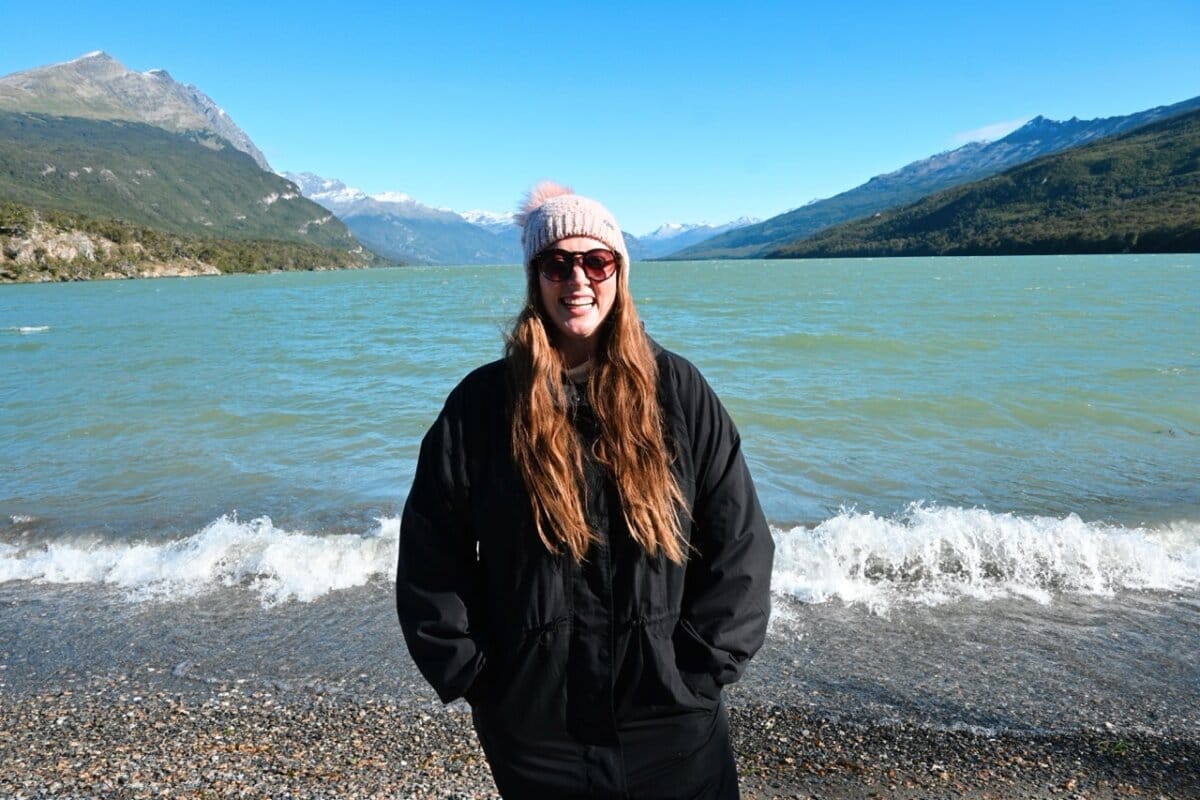
Average temperatures in Ushuaia usually range from about 40°F to 58°F. Even during the summer season, Ushuaia often feels chilly because of the wind, cloud cover, and its location at the southern tip of South America.
Weather here can also change quickly throughout the day. Mornings are often cold and overcast, while afternoons can occasionally warm up if the sun comes out.
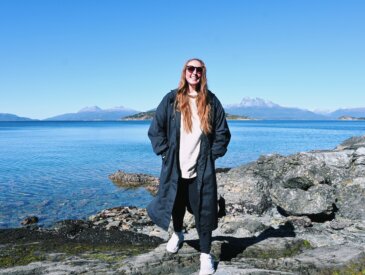
During our stop in Ushuaia, we visited Tierra del Fuego National Park, which ended up being one of the most scenic ports on the entire cruise.
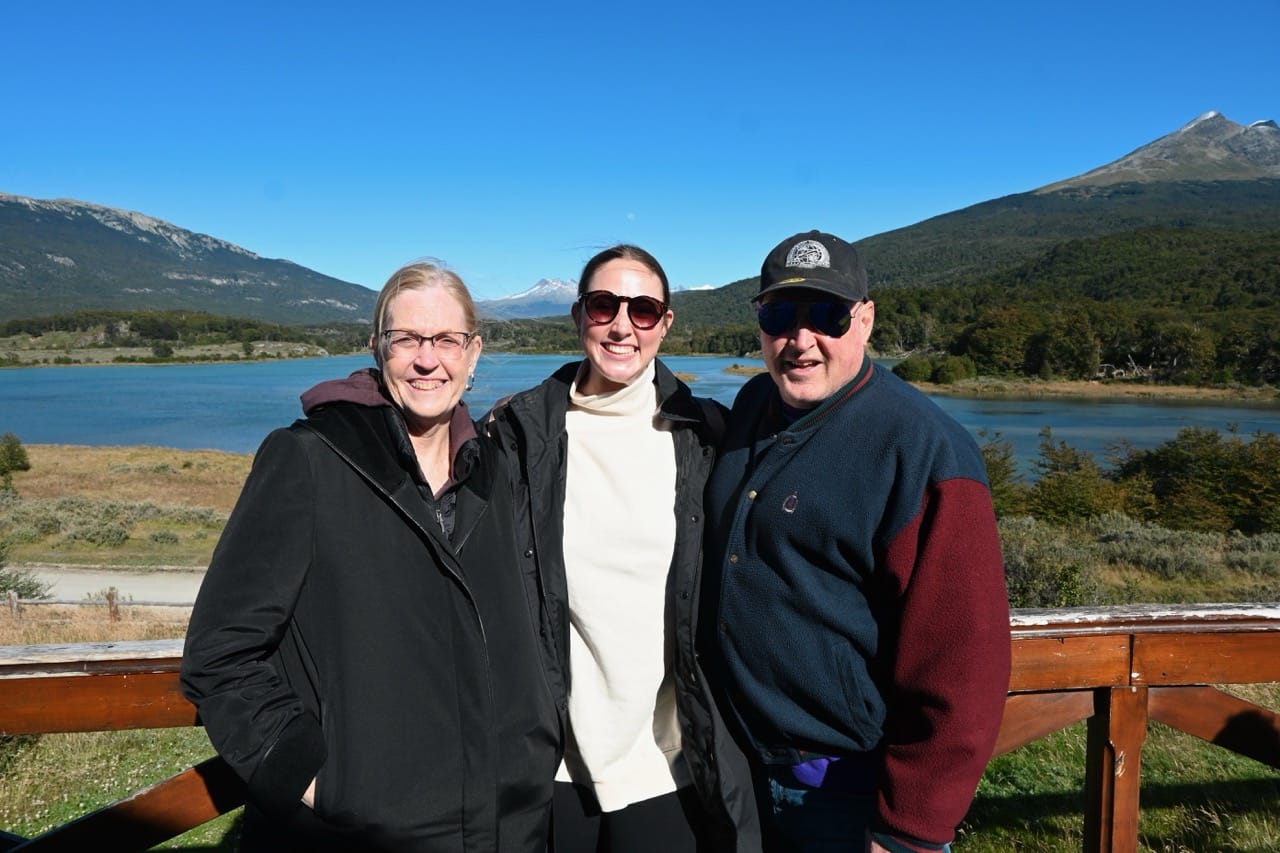
That morning started off pretty chilly, so I layered up with leggings, a sweater, my rain jacket, and a warm hat. Since we had already experienced cold and rainy weather earlier in the cruise, I was glad I packed plenty of layers and waterproof outerwear for this part of the itinerary.
Once again, we ended up getting incredibly lucky with the weather.
By the afternoon, the sun came out and temperatures warmed significantly. We were comfortable walking around the city that afternoon wearing leggings, boots, and sweaters without needing our heavier jackets anymore.
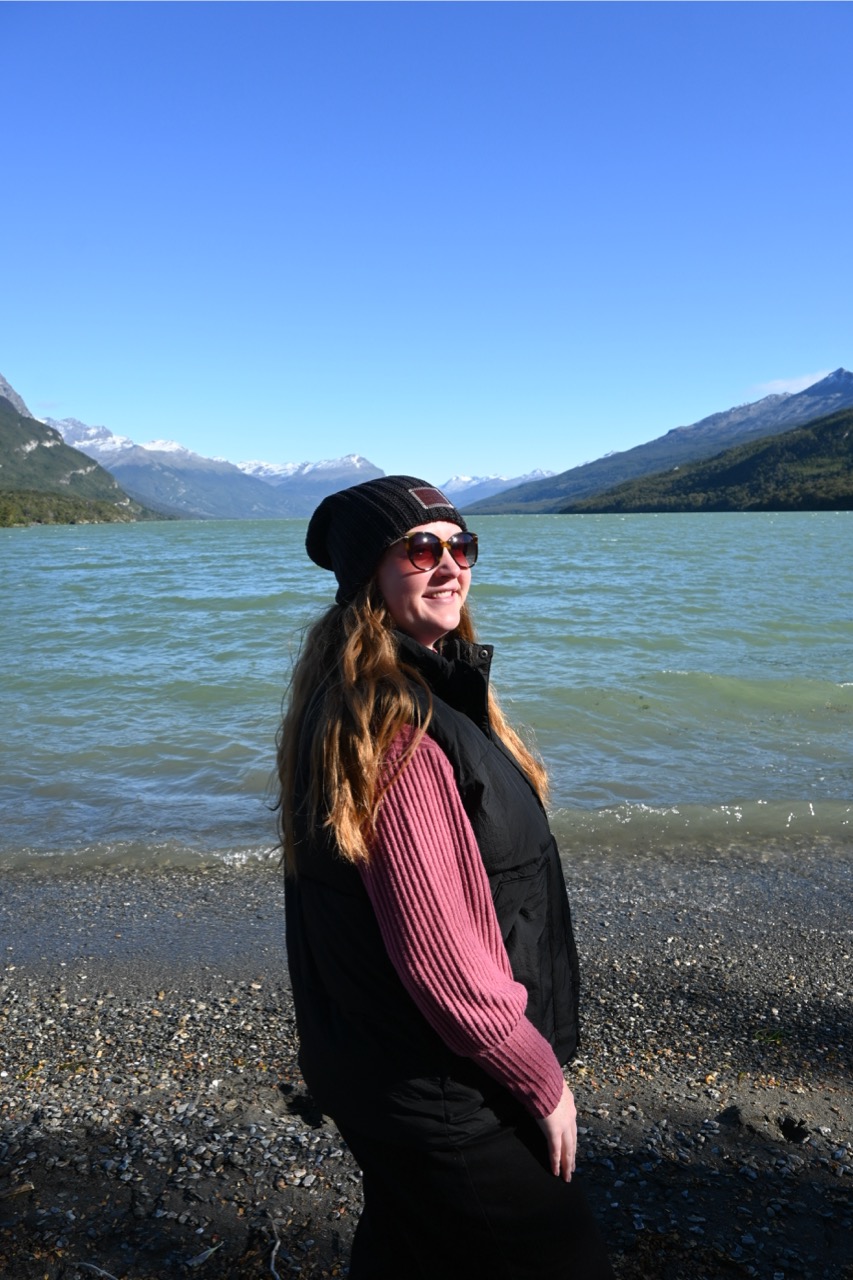
This was another reminder of how important layers are for a South America cruise. In the same day, you might experience cold morning temperatures, wind, sunshine, and warmer afternoon conditions.
Even though Ushuaia was cold in the morning, we found ourselves peeling layers off by the afternoon once the sun appeared.
Strait of Magellan Scenic Cruising
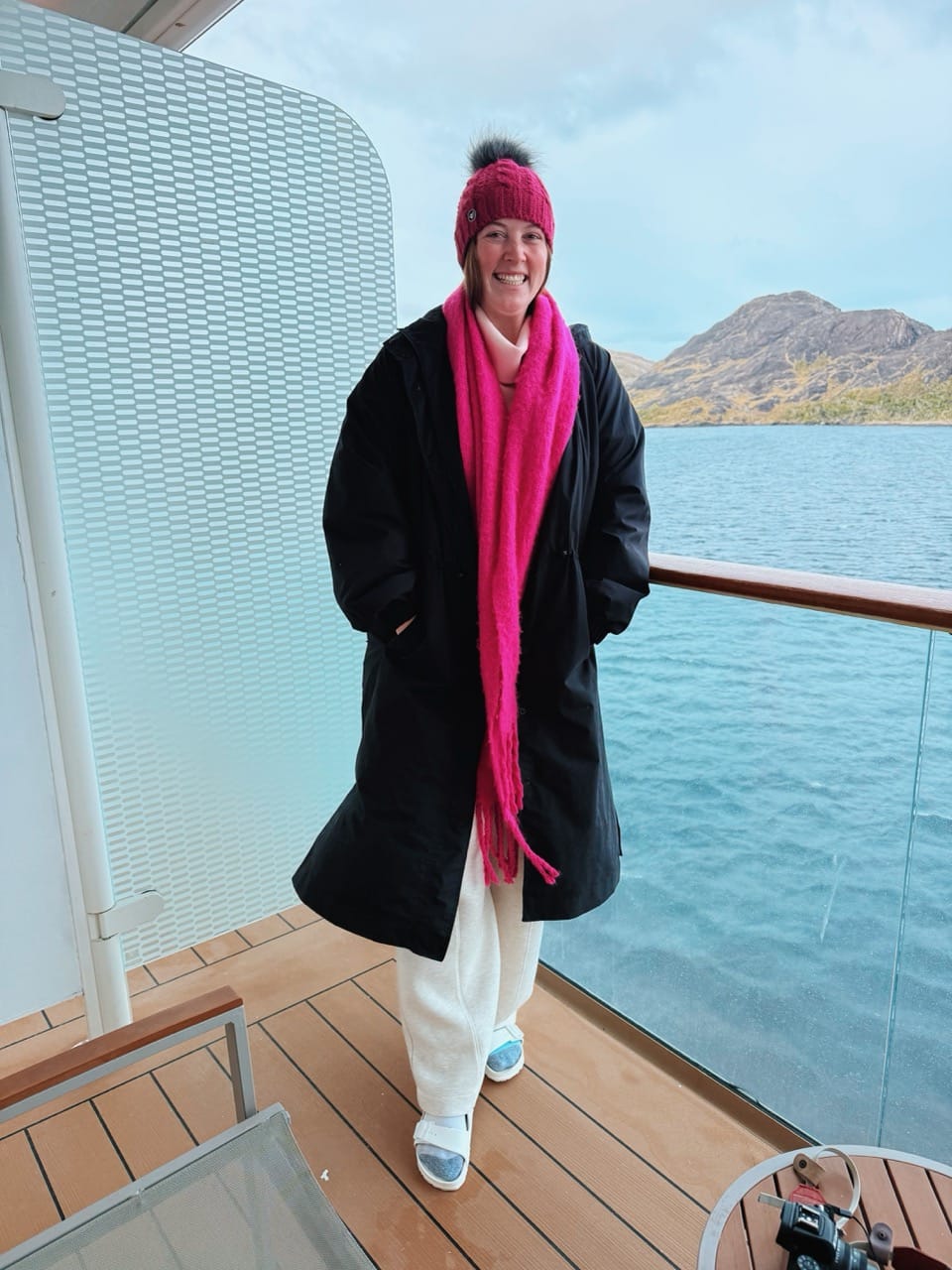
Average temperatures near the Strait of Magellan typically range from about 40°F to 55°F. Similar to Cape Horn, you can expect cool temperatures, strong winds, changing cloud cover, and occasional rain throughout the day.
Our scenic cruising day through the Strait of Magellan felt very similar to our Cape Horn experience, although temperatures were slightly cooler overall and the wind was a little stronger.
Since we planned to spend most of the day outside enjoying the scenery from the open decks, comfort and warmth were the biggest priorities for me.
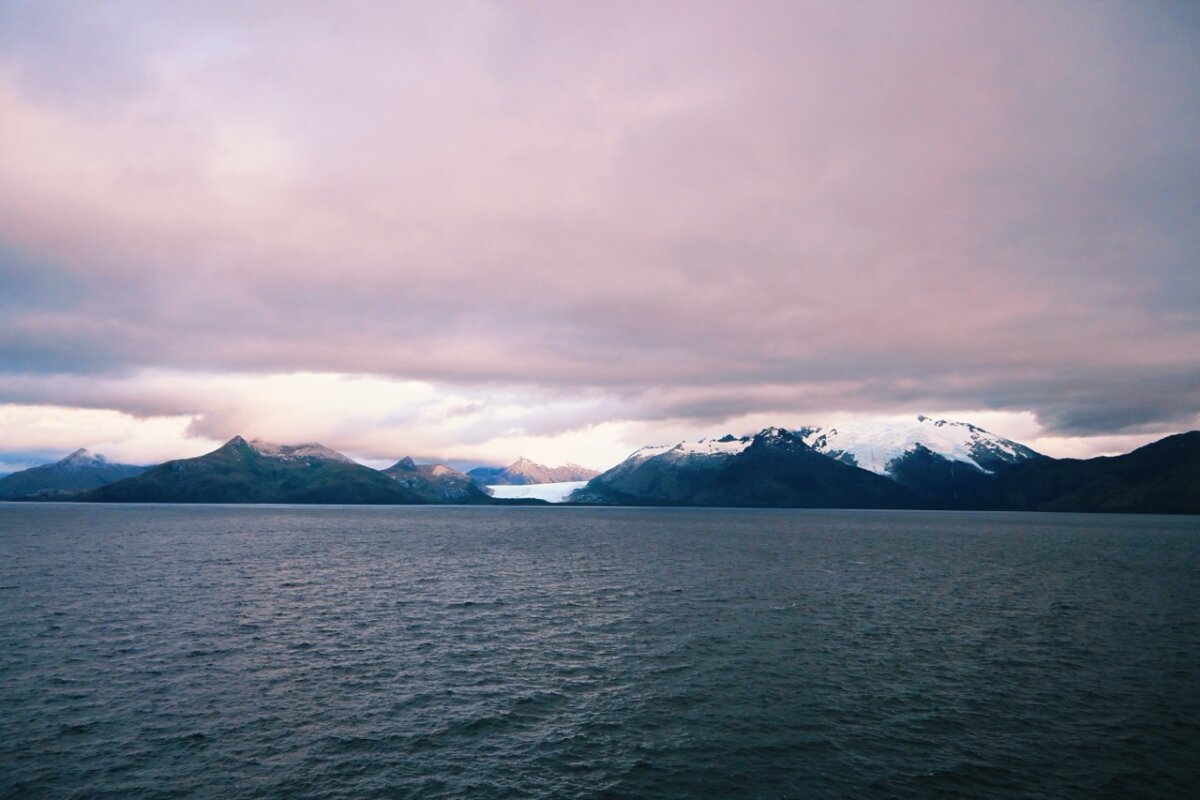
For this day, I wore a matching sweatsuit with thick sweatpants and a warm sweater underneath my outer layers. I paired it with my coat, scarf, and hat to help block the wind while standing outside on deck.
Thankfully, we didn’t experience any rain during our scenic cruising day, which made being outdoors much more comfortable. However, the wind definitely made it feel colder than the actual temperature at times.
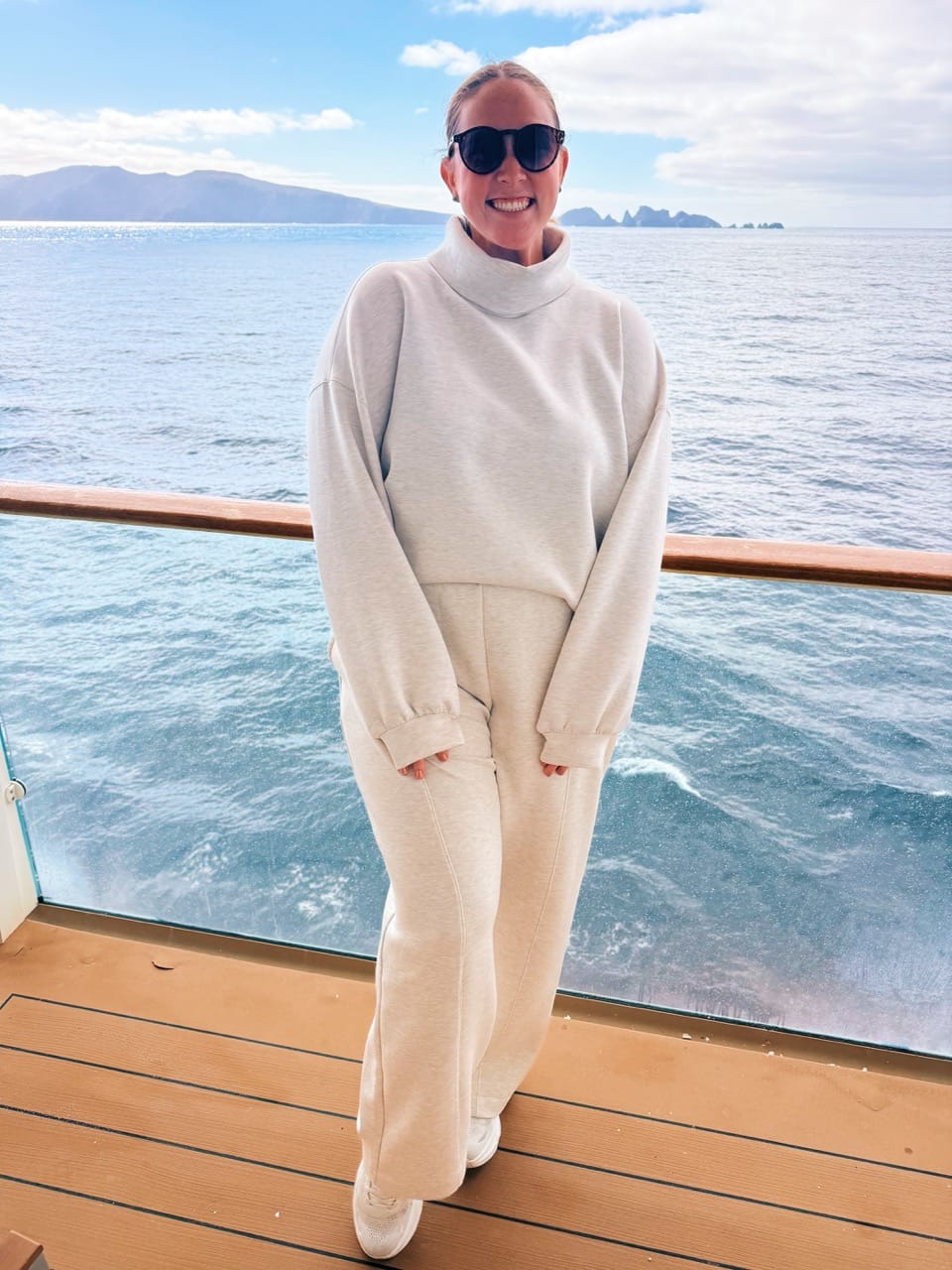
One thing I quickly realized during these scenic cruising days is that cozy, casual outfits ended up being much more practical than trying to wear “cute” cruise outfits. Most passengers onboard were bundled in layers while spending hours outside watching glaciers, mountains, and wildlife.
Even though we avoided rain during this part of the cruise, the wind and cooler temperatures still made warm layers absolutely essential.
Puerto Madryn, Argentina

Average temperatures in Puerto Madryn can range from about 52°F to 77°F. As our cruise began moving farther north again, temperatures noticeably warmed up compared to Patagonia, Cape Horn, and Ushuaia.
By this point in the cruise, I found myself transitioning back into lighter clothing around the ship. During the sea days leading up to Puerto Madryn, I started wearing warmer-weather outfits again, including athleisure shorts, lightweight layers, and casual daytime clothing on board the Celebrity Equinox.
For our stop in Puerto Madryn, we booked the Punta Tombo Penguin excursion, which ended up being another incredible wildlife experience during the cruise.
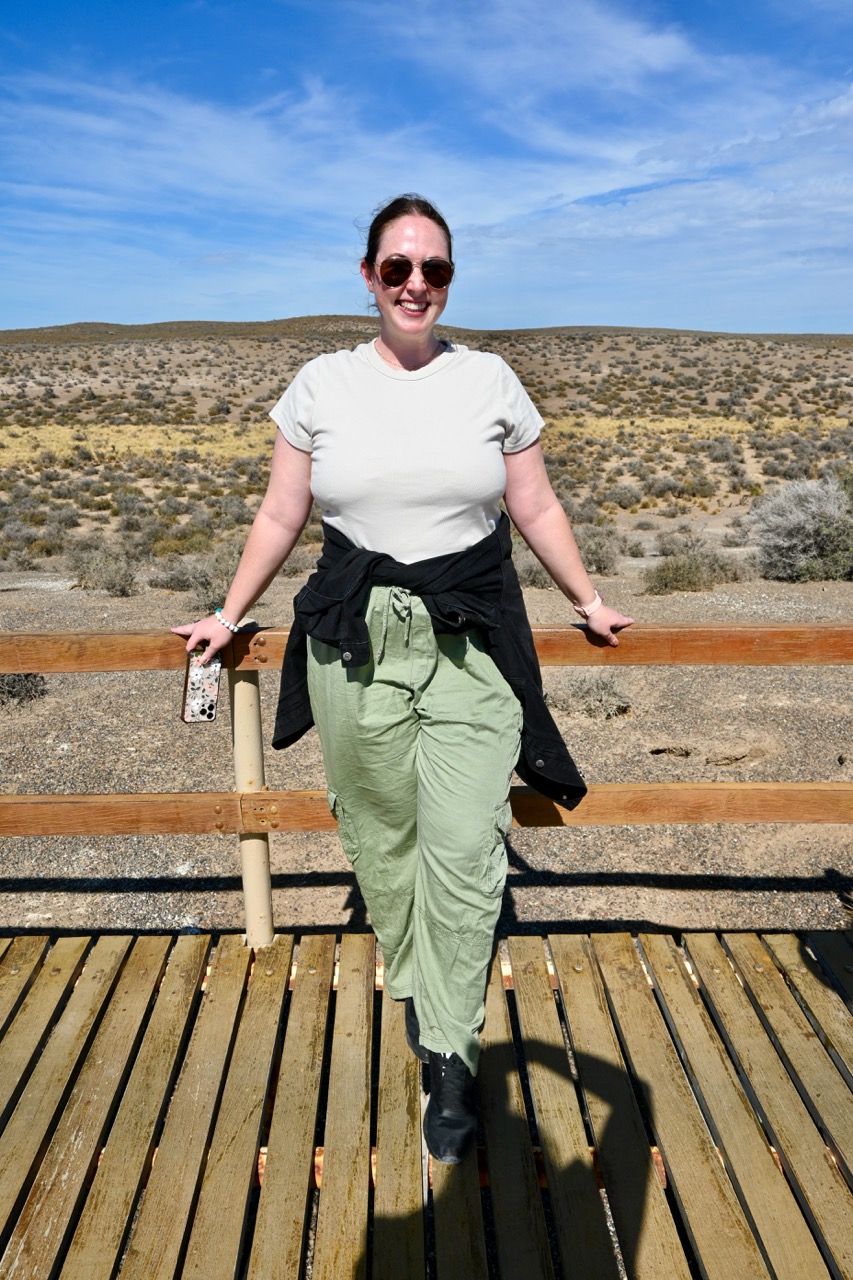
The morning started off crisp and slightly cool, especially before the sun fully came out, so I wore cargo pants, a short-sleeve top, and a black denim jacket. This ended up being the perfect outfit for the changing temperatures throughout the day.
By the time we arrived at the penguin reserve along the coast, temperatures had warmed significantly in the sunshine and I no longer needed my jacket at all.
Compared to the Falkland Islands, Puerto Madryn felt much warmer and drier overall. Even though we were still visiting penguins, the weather experience was completely different.
This was one of the ports where flexible layering really paid off because temperatures changed noticeably between the morning and afternoon.
Punta del Este, Uruguay
Average temperatures in Punta del Este range from about 66°F to 81°F. This coastal resort town is known for its warm summer weather, sunshine, beaches, and upscale seaside atmosphere.
By the time we reached Punta del Este, it truly felt like we had returned to summer weather after spending so many days bundled up in Patagonia and Cape Horn.
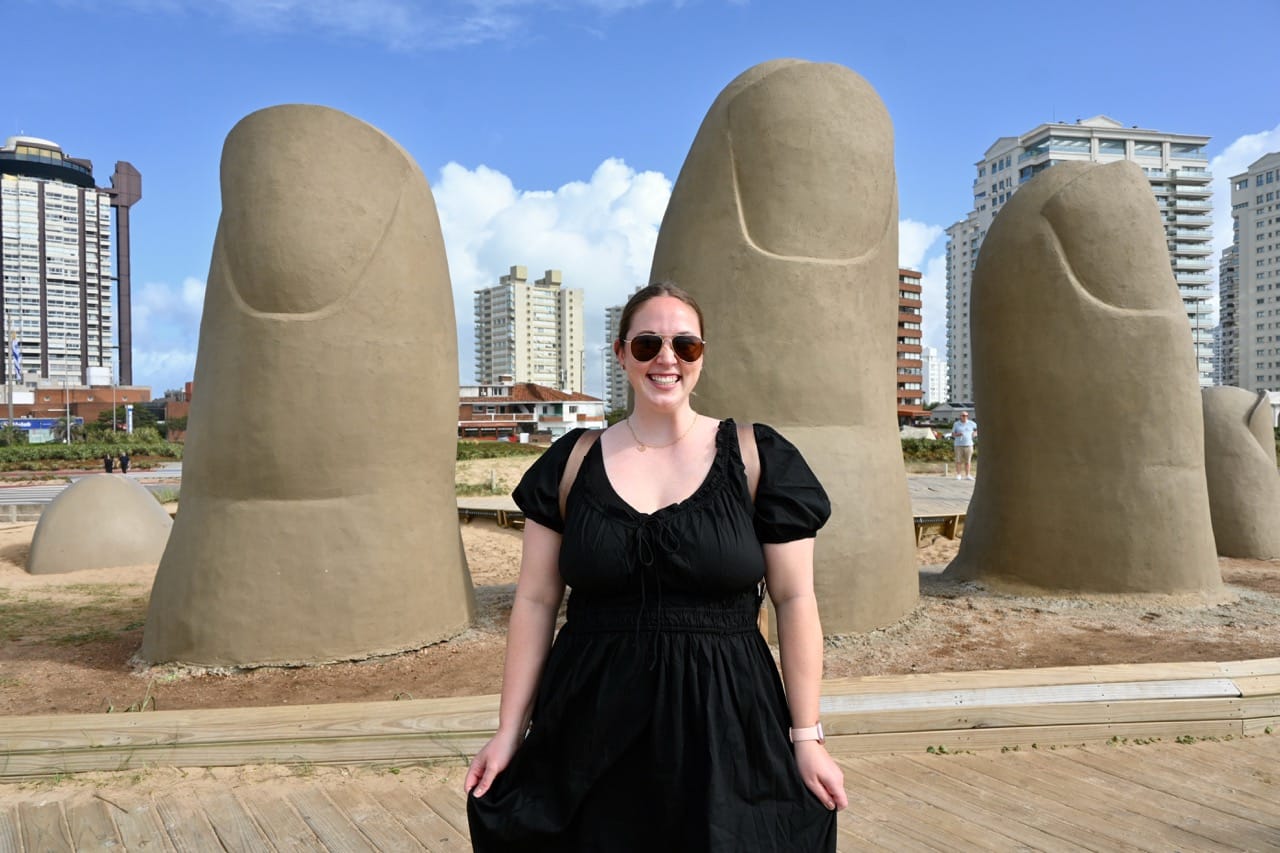
Punta del Este is a beautiful beach town with a much warmer and more relaxed atmosphere compared to the southern portion of the itinerary. For our excursion, we toured the city and visited a winery, so I opted for a lightweight black dress that felt comfortable but still looked nice for the day.
The weather was warm and sunny throughout the excursion, but temperatures became especially hot by the afternoon.
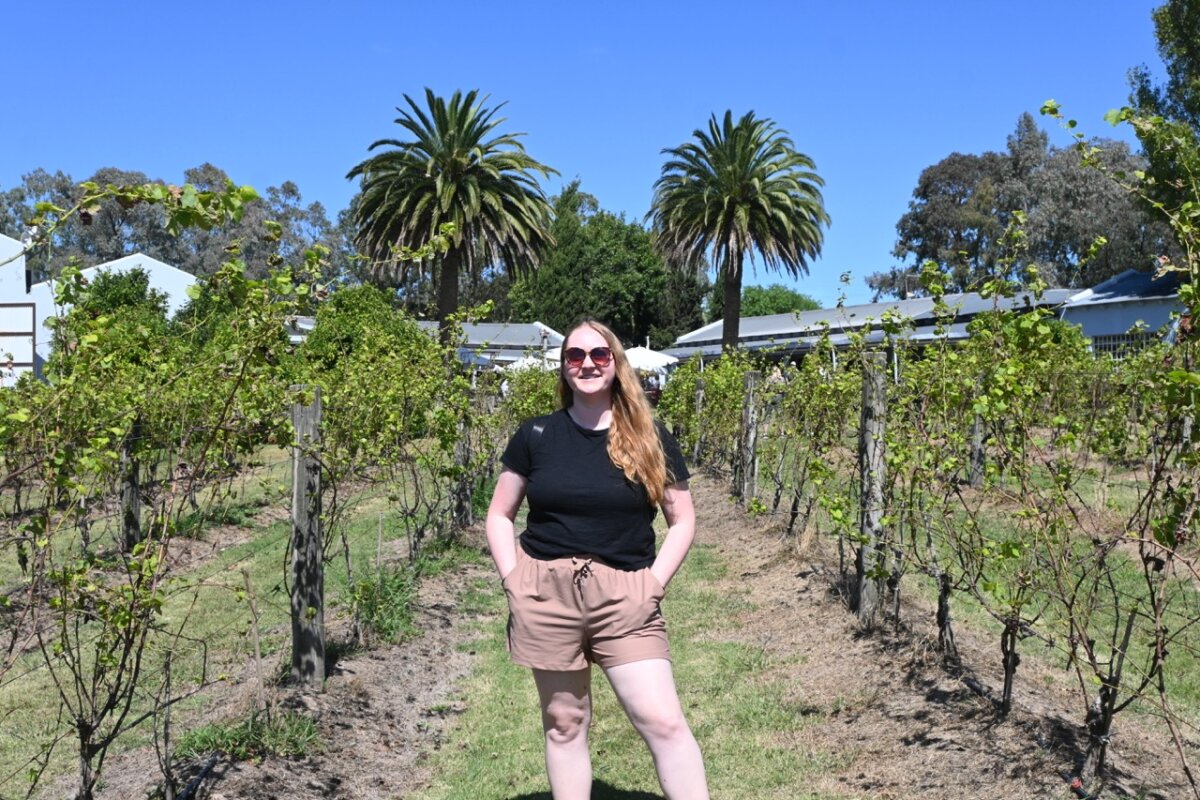
Since Punta del Este is a tender port, we ended up waiting outside in a long tender line later in the day while trying to return to the Celebrity Equinox. By that point, the afternoon sun felt extremely intense.
Thankfully, crew members were handing out cold towels to help passengers cool off, and I was very glad I had packed my portable handheld fan. It ended up being one of the most unexpectedly useful items I brought on the cruise.
After spending so much of the itinerary focused on cold-weather gear, this port was a reminder that you still need true warm-weather outfits for a South America cruise as well.
Patagonia Cruise Evening Outfits
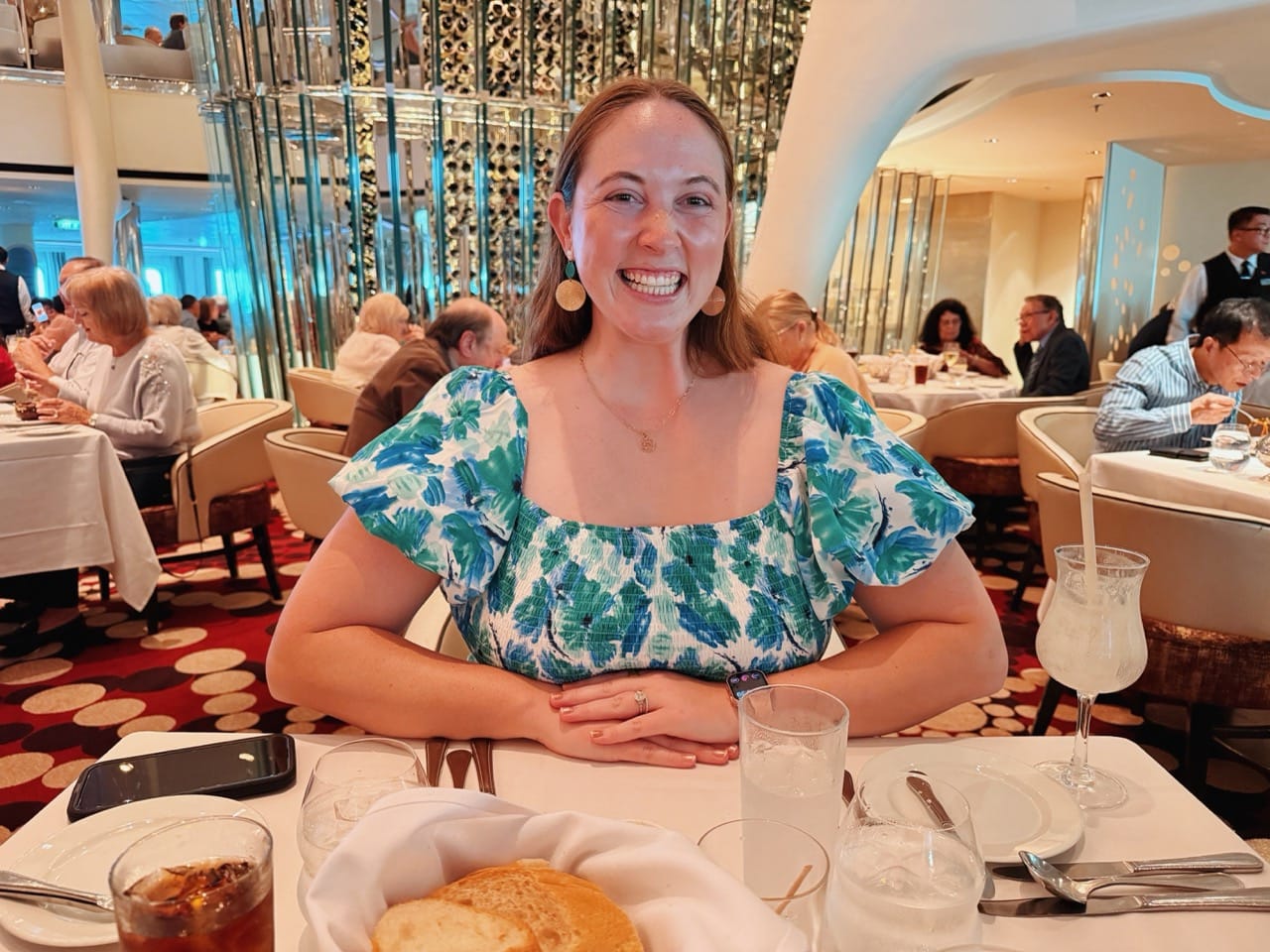
For dinner almost every night, I wore a dress paired with a sweater or cardigan. Because the weather changed so dramatically throughout the itinerary, I intentionally packed a mix of both warm-weather and cold-weather evening outfits.
At the beginning and end of the cruise, when temperatures were much warmer in places like Buenos Aires and Punta del Este, I wore lighter, summery dresses that felt breezy and comfortable.
As we sailed farther south toward Patagonia, Cape Horn, and Ushuaia, I transitioned into my longer sleeve and heavier dresses paired with sweaters for extra warmth. Some evenings onboard definitely felt chilly, especially after spending long periods outside during scenic cruising days.
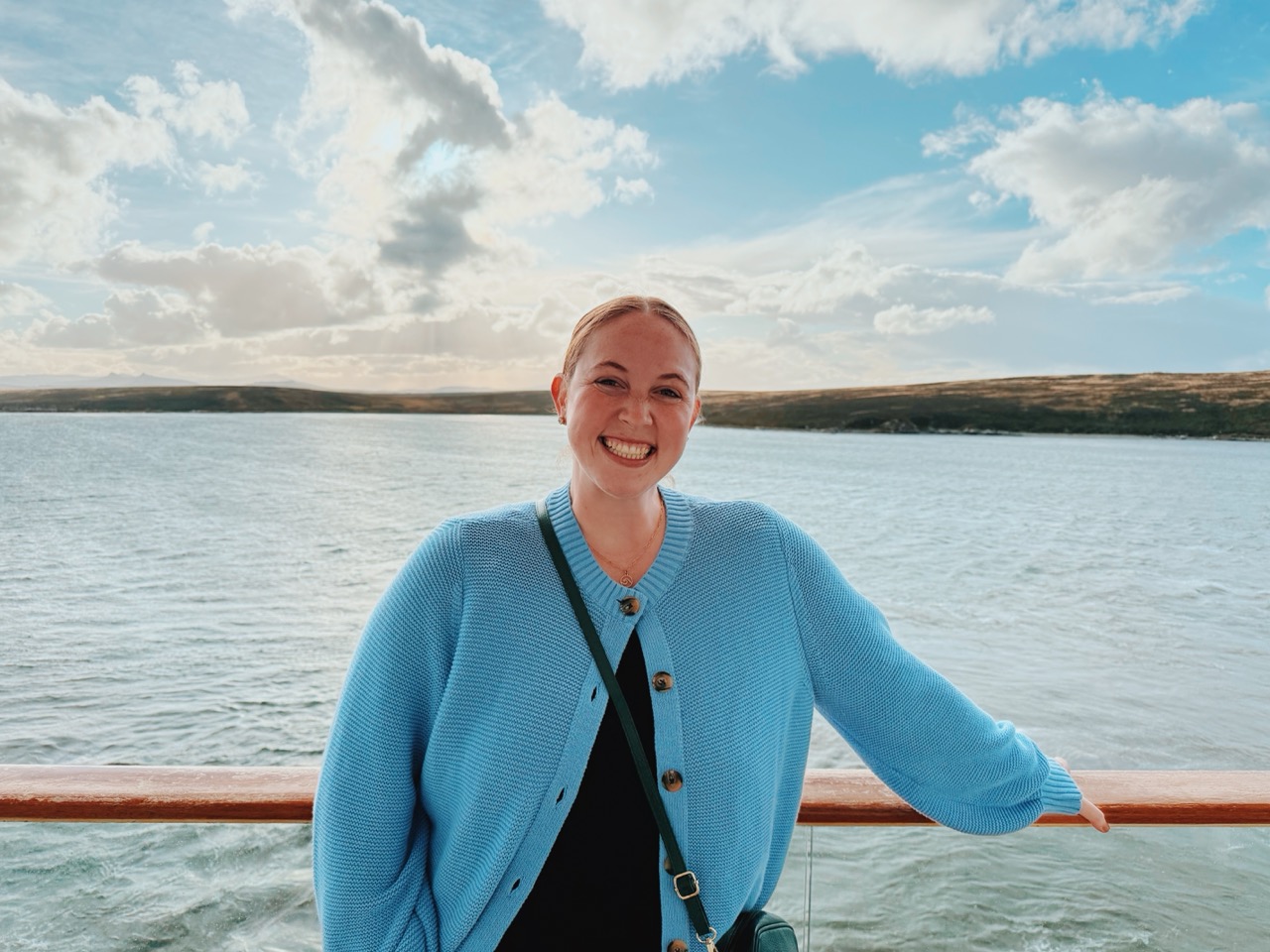
One thing that worked really well for this itinerary was bringing versatile dresses that could easily be layered depending on the temperature.
My short-sleeve dresses could still work in cooler weather when paired with a sweater, while my long-sleeve dresses felt perfect during the colder part of the voyage. The key for this itinerary is making sure your evening wardrobe can adapt to both summer-like evenings and much cooler nights farther south.
Which shoes should you pack for a Patagonia cruise?
I’m usually someone who tries very hard not to overpack shoes since they take up so much room in a suitcase. On most cruises, I can typically get away with just a couple pairs.
For this South America and Patagonia itinerary, however, I found that having several different types of shoes was actually necessary because of how drastically the weather and excursions changed throughout the cruise.
Between muddy penguin excursions, scenic cruising days in cold weather, walking tours through cities, and dressier evenings onboard the Celebrity Equinox, I ended up wearing every pair I packed.
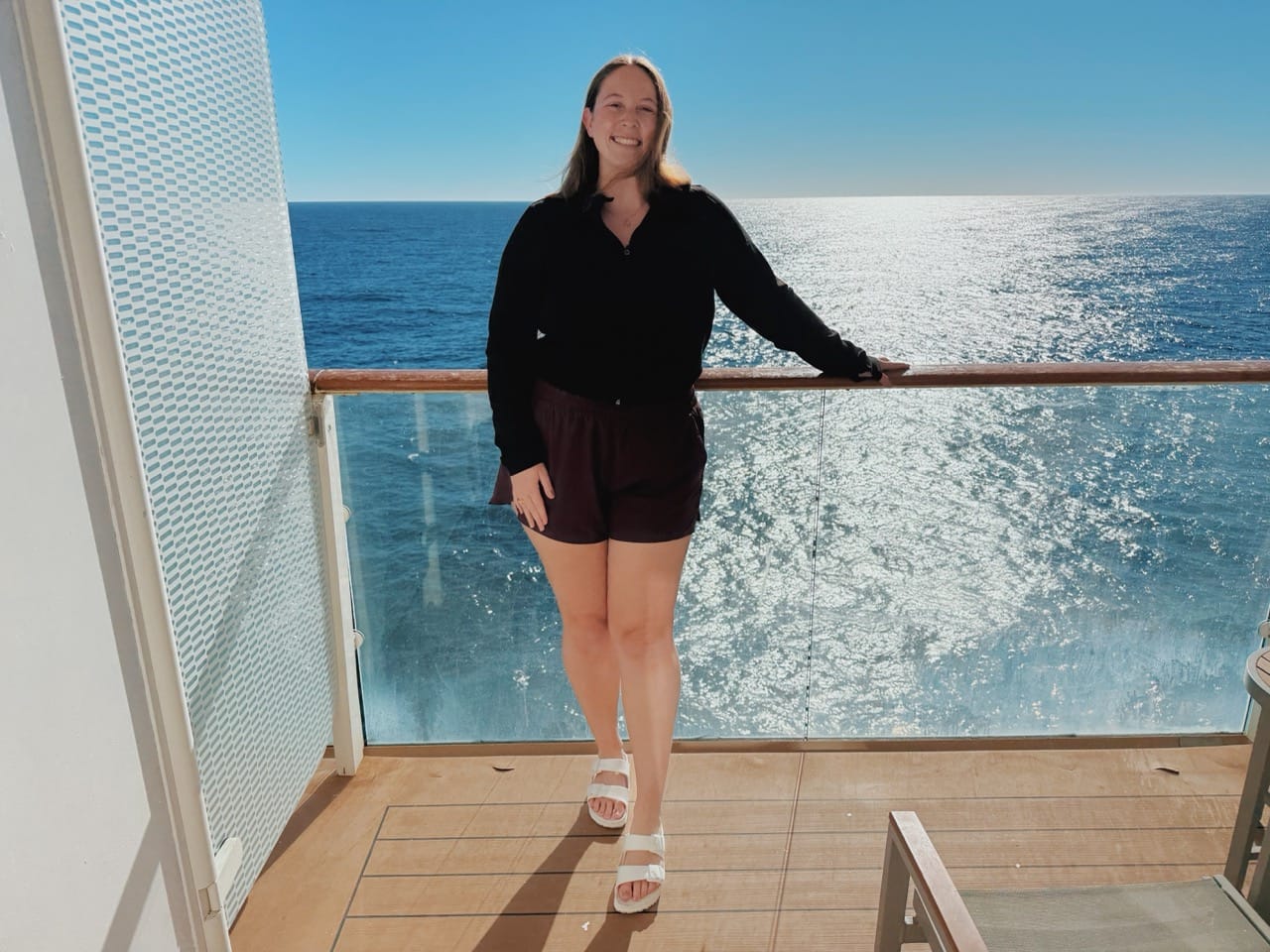
Here are the shoes I brought and why I was glad I packed them:
- Waterproof boots: These were absolutely essential for Patagonia and the Falkland Islands. Between rain, mud, wind, and wet terrain during our penguin excursions, waterproof footwear made a huge difference. I wore these the most during the colder southern ports.
- Dress sandals: I packed a simple pair of dress sandals for dinners and evening outfits onboard. Since I wore dresses almost every night on Celebrity Equinox, these worked well for the ship’s slightly dressier atmosphere.
- White sneakers/exercise shoes: These were probably my most versatile shoes overall. I wore them constantly for walking tours in Buenos Aires, Montevideo, and other ports where we spent hours exploring cities on foot.
- Rubber sandals: These ended up being perfect for casual use around the ship, walking to the pool deck, and visiting the warmer ports later in the cruise. They were lightweight, easy to pack, and convenient for relaxing sea days.
My best packing tips for a South America and Patagonia cruise
After finishing this 14-night voyage aboard the Celebrity Equinox, I can confidently say this was one of the trickiest cruises I’ve ever packed for. The biggest challenge is preparing for multiple climates at once without completely overpacking your suitcase.
These are the packing tips that made the biggest difference for us during the trip:
1. Bring a waterproof backpack
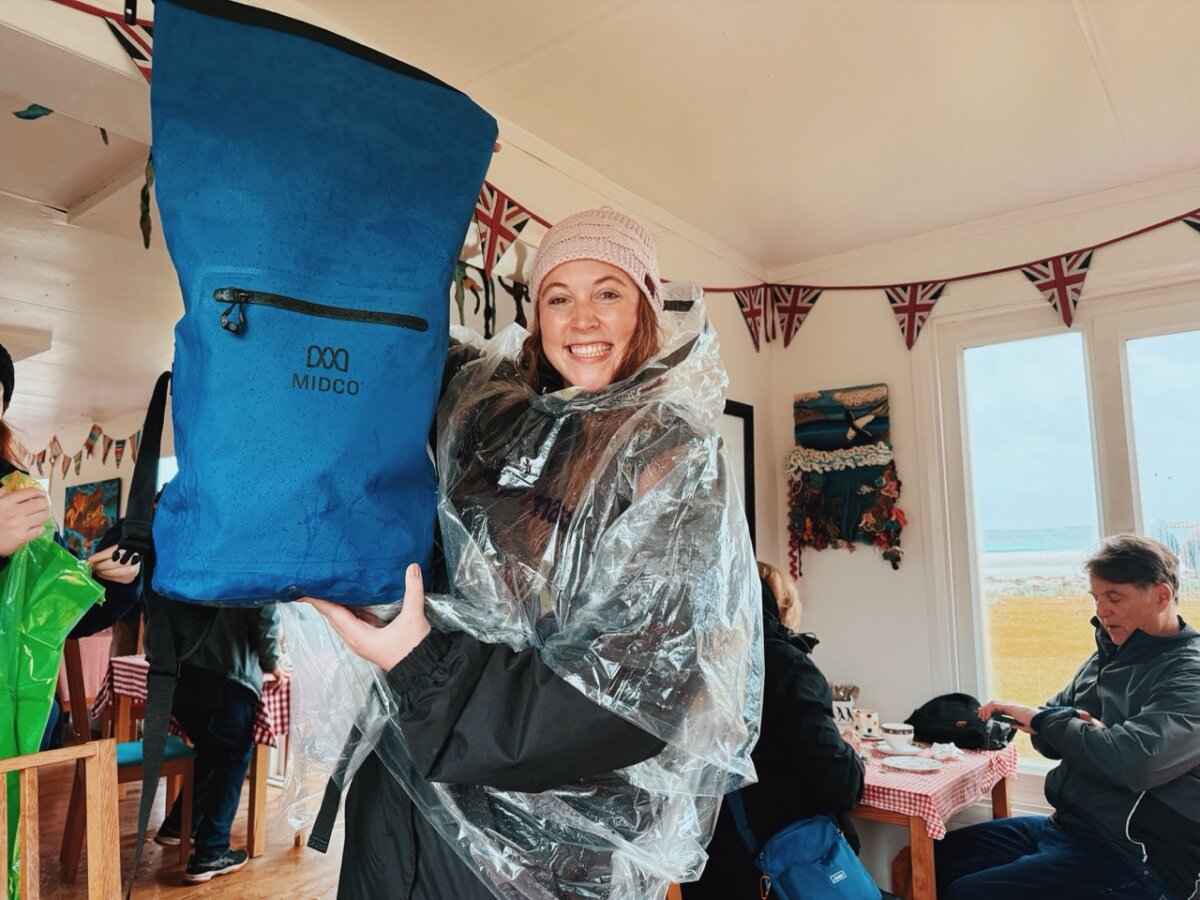
Our waterproof backpack absolutely saved us in the Falkland Islands when it started pouring rain during our penguin excursion at Bluff Cove Lagoon.
Between the wind, rain, and mud, having a waterproof bag helped keep everything dry. We ended up using the backpack throughout the cruise because it was surprisingly versatile for excursions and scenic cruising days.
If you don’t want to buy a fully waterproof backpack, I would at least recommend bringing a waterproof rain cover for your day pack.
2. Don’t underestimate how much cold-weather clothing you’ll need
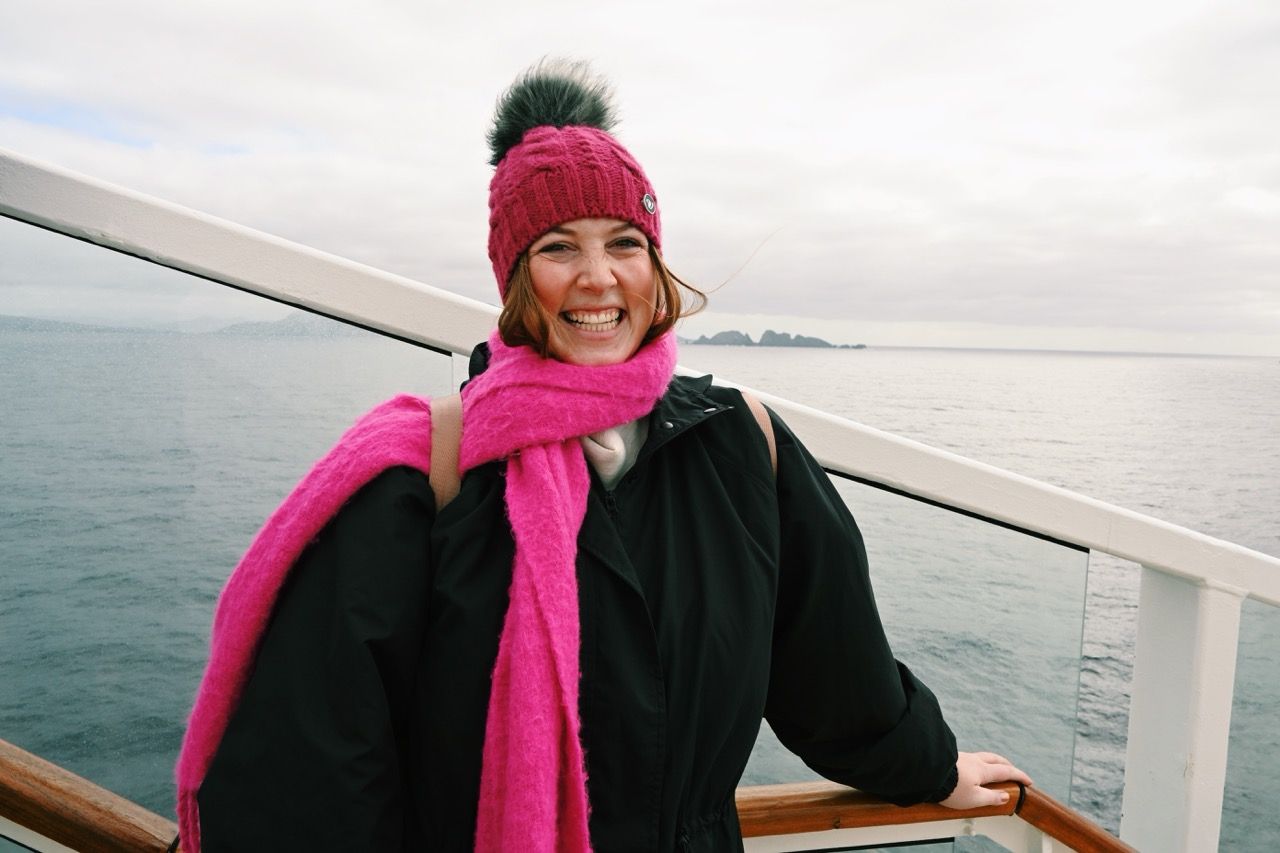
Before the cruise, I worried I was packing too many sweaters, coats, leggings, and cold-weather layers. Once we reached Patagonia, Cape Horn, and the Falkland Islands, I realized we absolutely needed them.
Roughly half of our cruise felt quite cold overall, especially during scenic cruising days and outdoor excursions farther south.
At the same time, you still need warm-weather outfits for Buenos Aires, Uruguay, and the warmer northern ports later in the itinerary.
Looking back, I’d argue this itinerary requires about a 50/50 balance of warm-weather and cold-weather clothing.
3. Prioritize layers over bulky outfits
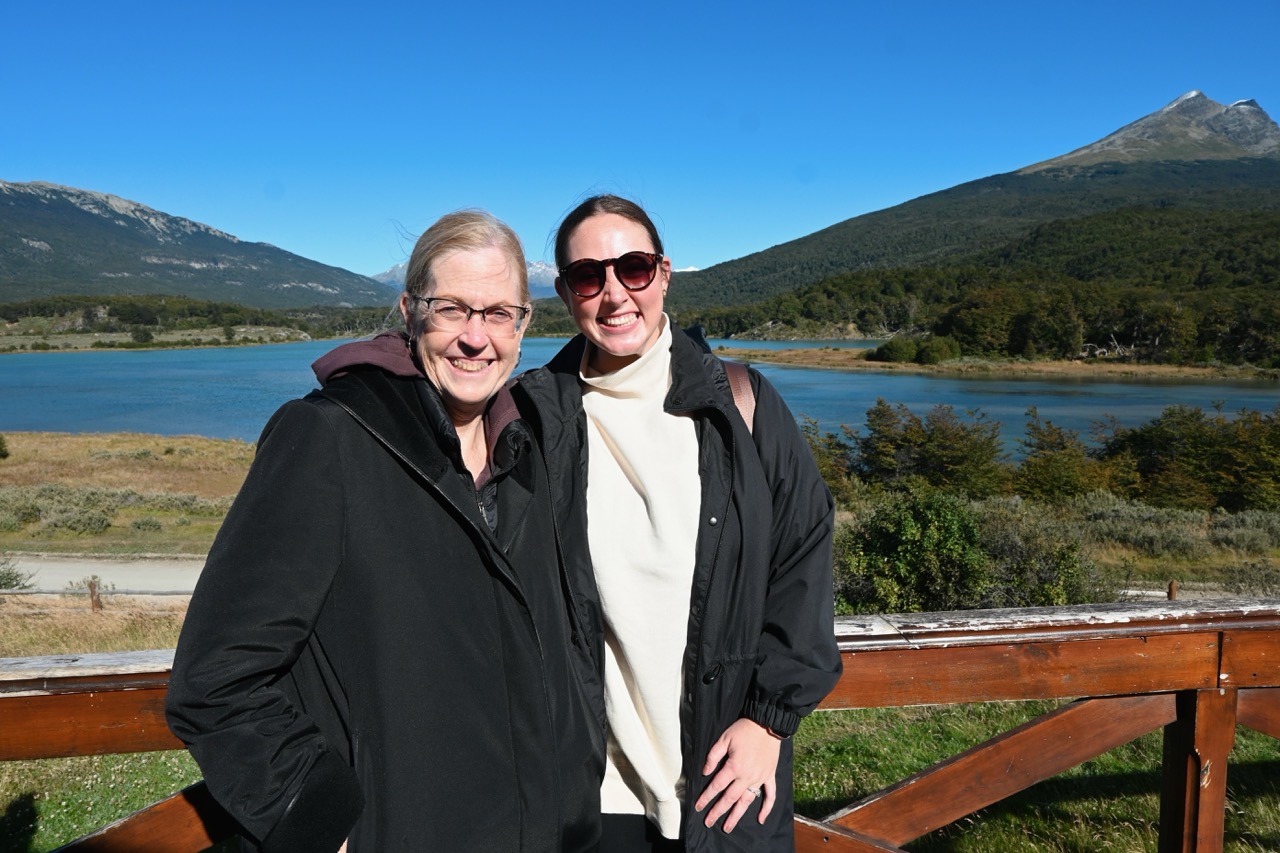
Layers were the single most important part of my packing strategy for this cruise.
I intentionally brought clothing that I could easily mix, match, and layer depending on the weather conditions each day. Temperatures changed constantly, sometimes within just a few hours.
For colder days, I wore leggings constantly paired with warm socks, sweaters, rain jackets, or coats depending on the conditions. Then, by the afternoon, I could often remove layers once temperatures warmed up.
Versatile layering pieces ended up being much more useful than packing overly specific outfits.
4. Prepare for rain and wet weather
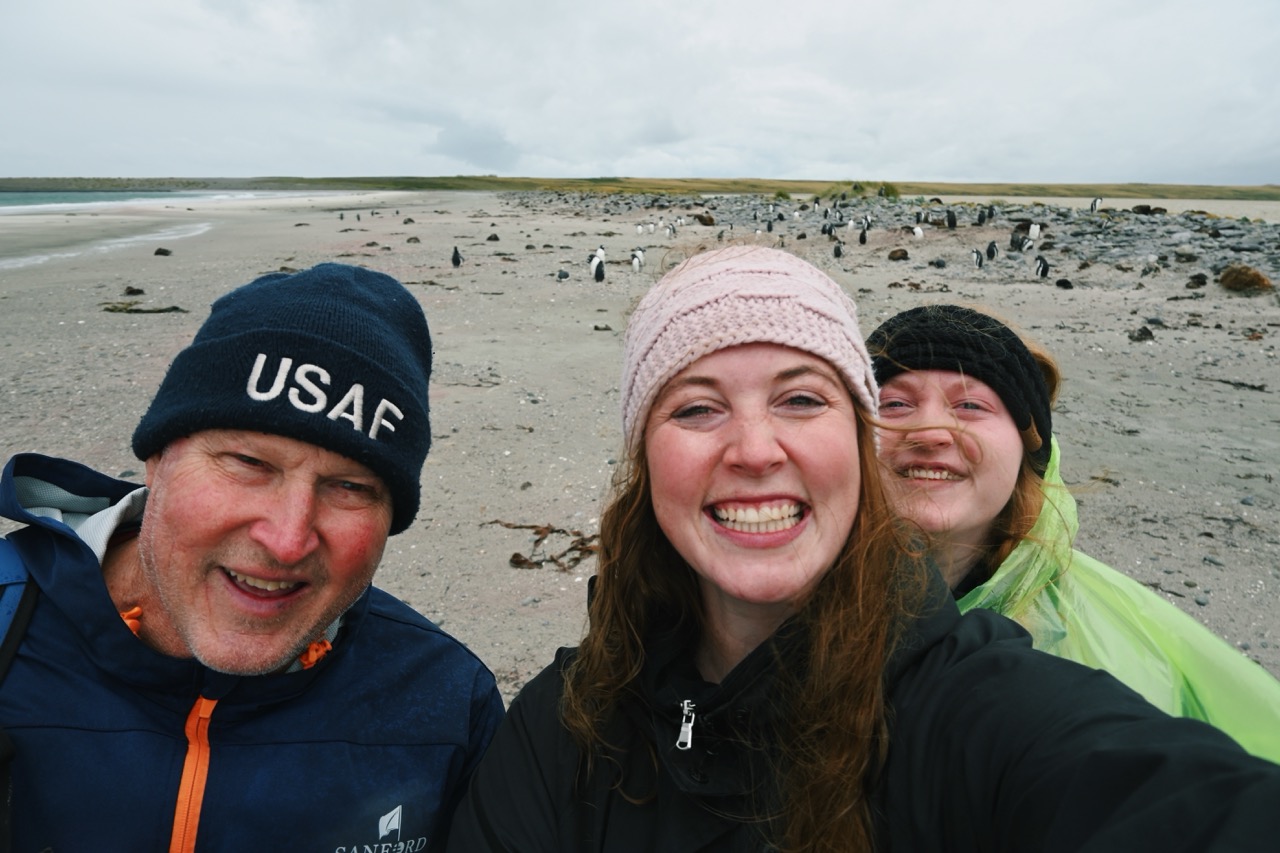
Even during the summer season in South America, rain and wet weather can still be very common, especially farther south near Patagonia and the Falkland Islands.
One of the smartest things we packed was a few lightweight ponchos. They barely took up any space in our luggage, but they made a huge difference during rainy excursions.
Between the wind and sideways rain in the Falkland Islands, having quick waterproof layers available made outdoor excursions much more comfortable.
If you’re cruising to Patagonia, I would absolutely plan for at least a few rainy days during your trip.