Royal Caribbean has made another round of itinerary changes to upcoming sailings aboard Spectrum of the Seas, continuing a pattern of adjustments tied to ongoing geopolitical tensions between China and Japan.
The itinerary changes affect multiple sailings in late 2026 and early 2027 departing from Shanghai, China.
Royal Caribbean has communicated to impacted guests that visits to some of the most popular Japanese ports, such as Naha, Fukuoka, and Nagasaki, are being removed. The cruise line has replaced these Japanese ports with alternate destinations in South Korea, including Busan and Jeju Island.
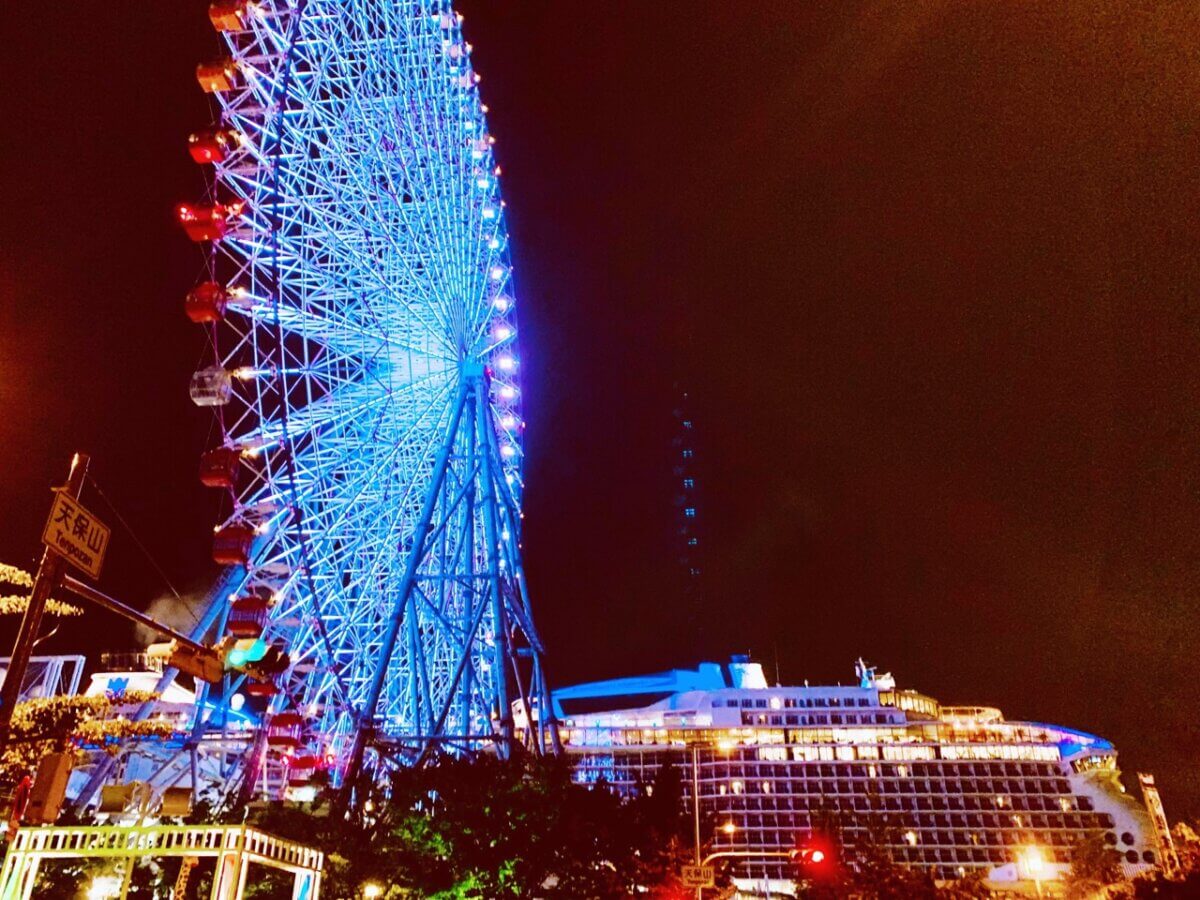
Royal Caribbean previously adjusted multiple Spectrum of the Seas itineraries sailing from Shanghai in early 2026. The changes included removing planned calls to Japanese ports such as Okinawa and Ishigaki and replacing them with alternative destinations in South Korea, including Jeju Island and Incheon (Seoul).
The cruise line described the changes as part of its ongoing itinerary planning process, citing the need for flexibility. Although the cruise line did not specifically reference the rising tension between China and Japan, the timing strongly aligns with worsening relations between the two countries.
Details about the itinerary adjustments, including screenshots of emails from impacted customers, were shared by Cruise The World on Facebook.
Spectrum of the Seas replaces Japanese ports with South Korea alternatives

Royal Caribbean has confirmed itinerary changes for the following Spectrum of the Seas sailings:
- October 7, 2026 (4-night) sailing originally scheduled to visit Naha, Japan, has been revised to call on Busan, South Korea.
- February 27, 2027 (4-night) sailing originally scheduled to visit Naha, Japan, has been revised to call on Jeju, South Korea.
- March 3, 2027 (4-night) cruise initially planned for Fukuoka will now visit Busan instead.
- March 7, 2027 (5-night) itinerary that previously included Fukuoka and Nagasaki has been changed to Busan and Jeju.
Impacted passengers received formal emails outlining the revised port calls, along with updated arrival and departure times in Shanghai’s Baoshan Cruise Terminal. In guest notifications, Royal Caribbean framed the adjustments as part of its normal planning process:
“While we know this is not the original itinerary we planned, itinerary planning is an ongoing process that requires cruises to have a certain level of flexibility. These changes allow us to continue exploring new opportunities to provide our guests with more destination choices and experiences around the world.”
Royal Caribbean also confirmed that any pre-paid shore excursions tied to removed ports will be automatically refunded or rescheduled. Refunds for canceled tours are expected to be processed within 14 business days.
Not all sailings on Spectrum of the Seas are impacted—yet
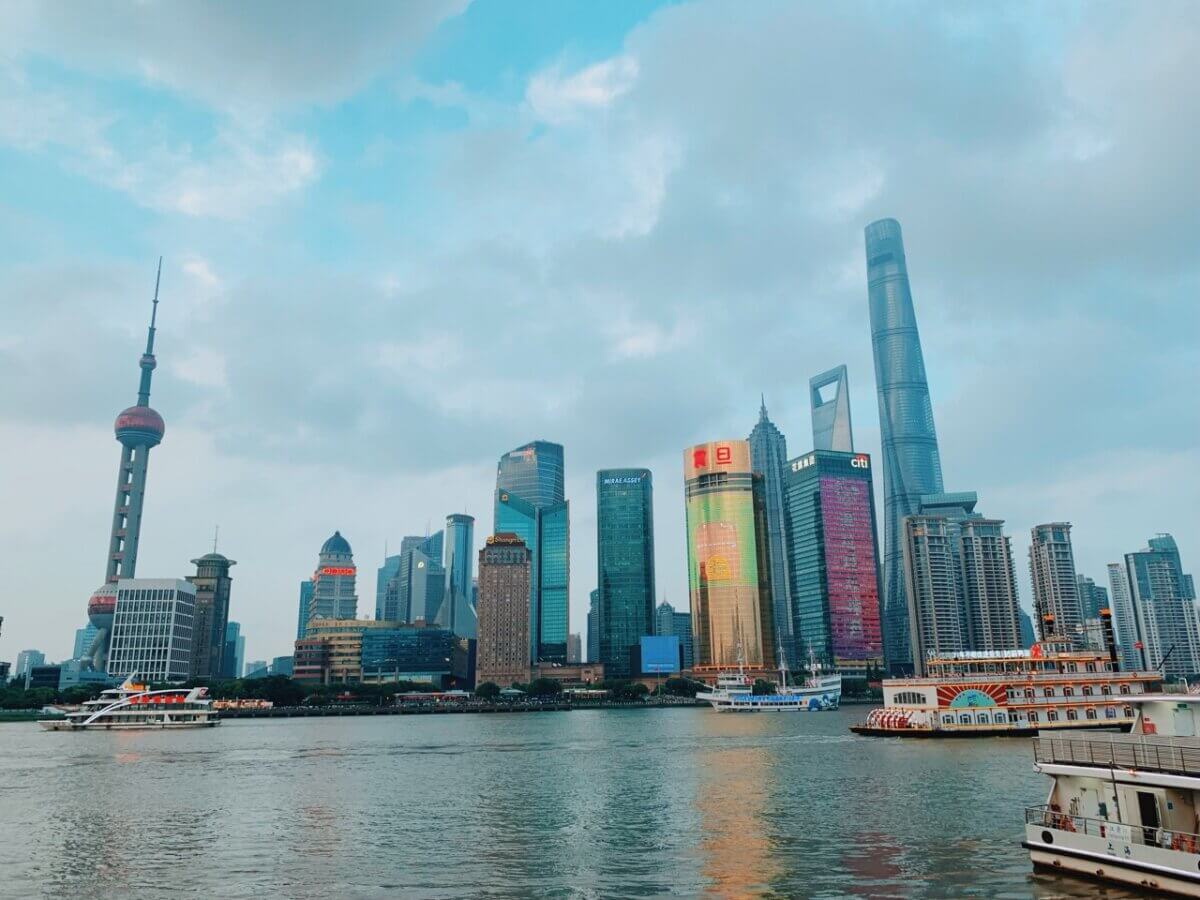
Not every Spectrum of the Seas itinerary has been altered. Sailings departing Hong Kong in early January 2027, as well as select February departures from Shanghai, currently remain unchanged.
While Royal Caribbean has not explicitly cited diplomatic disputes in its official guest communications, the changes align with broader travel advisories related to China-Japan relations.
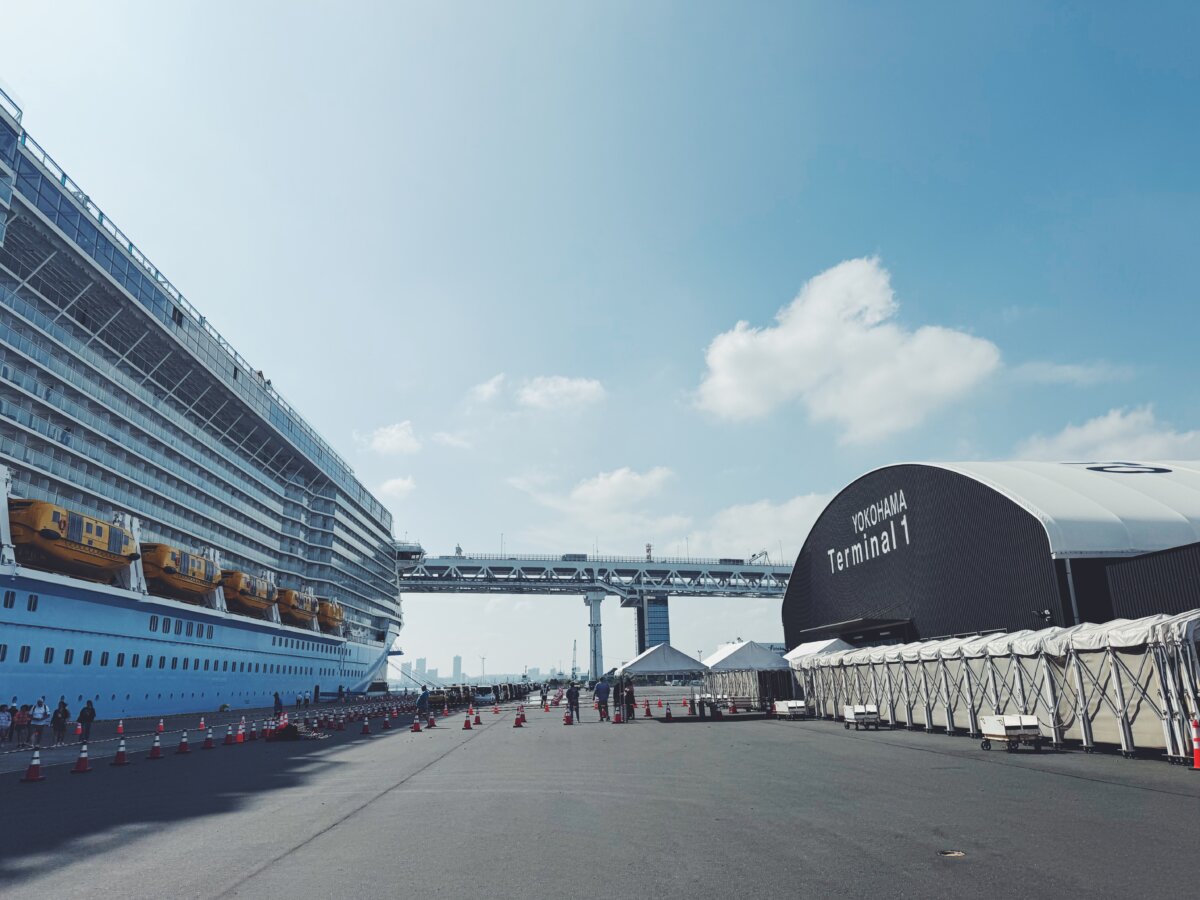
Cruise operators sailing from mainland China are particularly sensitive to government guidance, which can influence port approvals and passenger travel permissions.
Spectrum of the Seas, which primarily serves the Chinese cruise market, has previously undergone itinerary changes during periods of heightened regional restrictions, including during the pandemic and earlier diplomatic disruptions.
For now, guests booked on affected sailings are encouraged to monitor official communications and remain flexible as Royal Caribbean continues to adjust deployments in the region.
What’s happening between China and Japan?

The latest Spectrum of the Seas itinerary adjustments come amid a sharp deterioration in relations between China and Japan. This is driven largely by heightened tensions over Taiwan and their ripple effects on travel and tourism.
According to reporting by The Guardian, Chinese tourism to Japan dropped by roughly 45% in December 2025 after Japanese Prime Minister Sanae Takaichi suggested Japan could become militarily involved if China attempted to invade Taiwan.
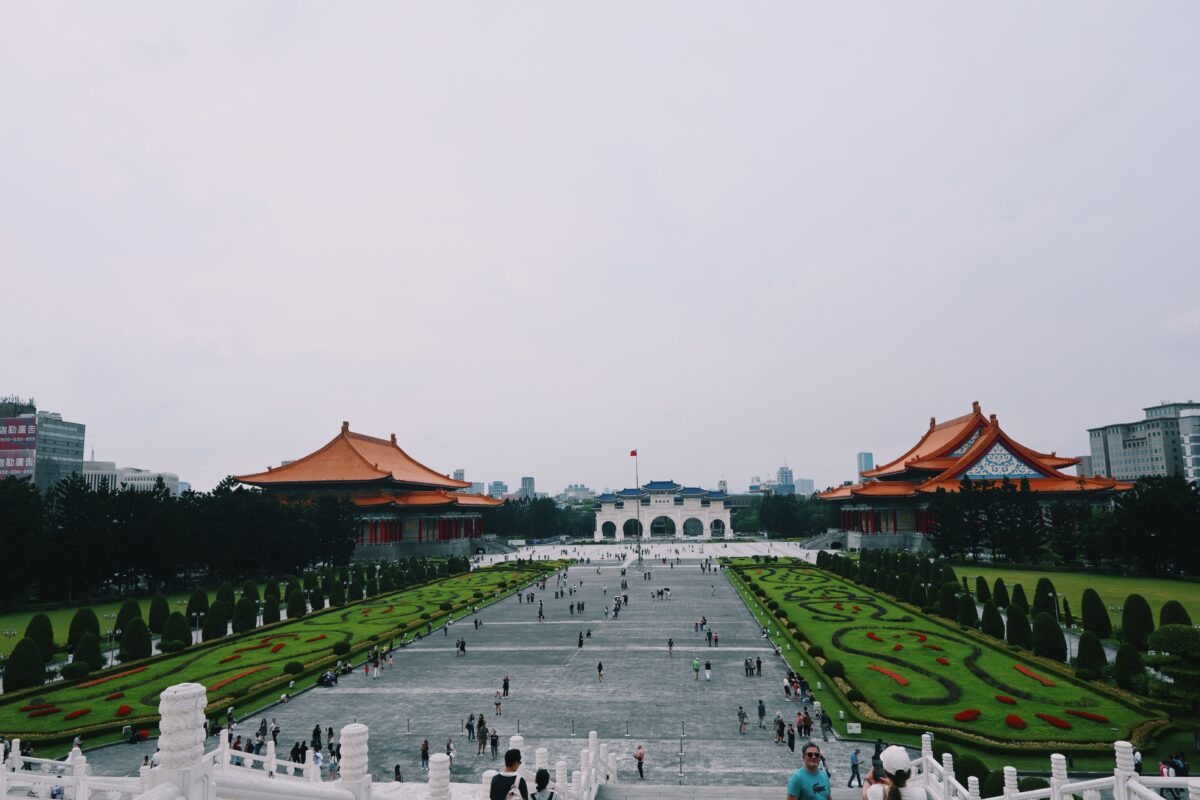
The remarks fueled a strong backlash from Beijing, which urged its citizens not to travel to Japan, citing safety concerns. Chinese authorities later advised young people against studying in Japan, canceled cultural exchanges, and postponed the release of Japanese films in China.
The diplomatic strain has had a measurable impact on tourism. China has historically been Japan’s largest source of inbound visitors, accounting for about a quarter of all foreign arrivals in 2025, with Chinese tourists spending significantly more per visit than other travelers.
About Spectrum of the Seas
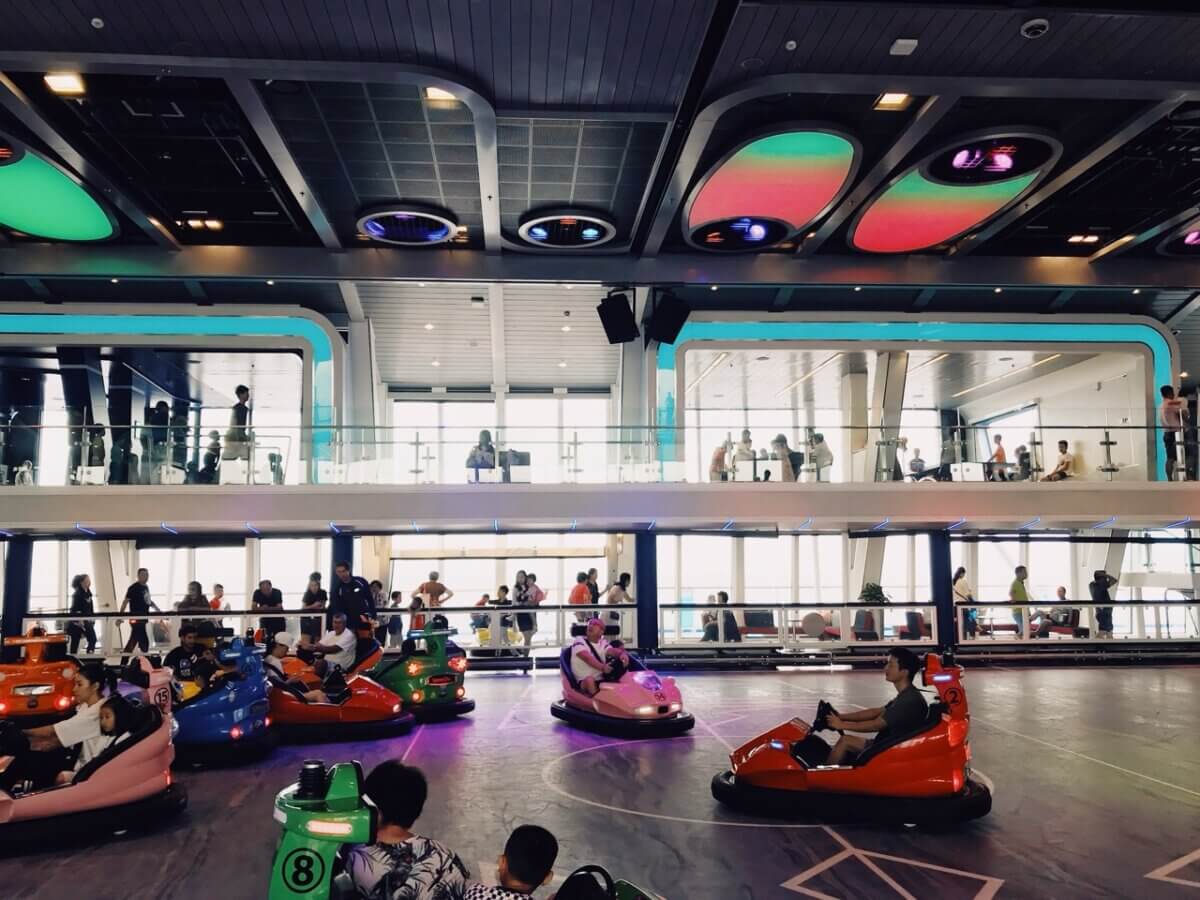
Spectrum of the Seas is one of Royal Caribbean’s Quantum Ultra Class ships and was purpose-built for the Asia cruise market.
Launched in 2019, the ship primarily sails from homeports in mainland China and Hong Kong, offering short- to mid-length itineraries designed for regional travelers, with a strong focus on destinations in East Asia.
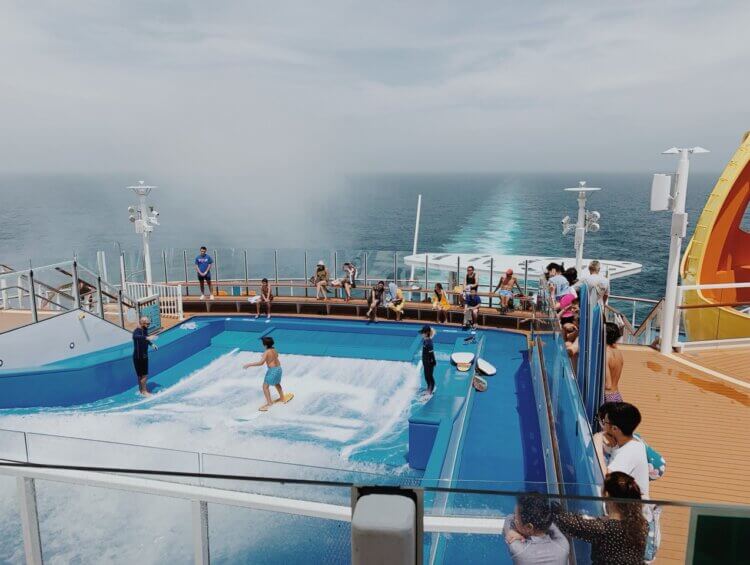
With a gross tonnage of roughly 169,000 and a capacity of more than 4,200 guests, Spectrum of the Seas features many of Royal Caribbean’s signature attractions. These include the North Star observation capsule, RipCord by iFLY skydiving simulator, SeaPlex indoor activity complex, and a variety of technology-forward entertainment venues.

Spectrum of the Seas also offers an expanded dining lineup tailored to Asian tastes, with specialty restaurants, hot pot, and regional cuisine alongside familiar Western options.
Seasonally, Spectrum of the Seas rotates between Hong Kong and Shanghai, operating a mix of 4- to 5-night getaway cruises and longer 7- to 8-night itineraries. Historically, these sailings have included frequent port calls in Japan, such as Okinawa, Fukuoka, Nagasaki, and Kagoshima.
As a key deployment for Royal Caribbean in Asia, Spectrum of the Seas plays a central role in the cruise line’s regional strategy. This makes any itinerary changes particularly notable when broader geopolitical or regulatory factors affect travel patterns in the region.