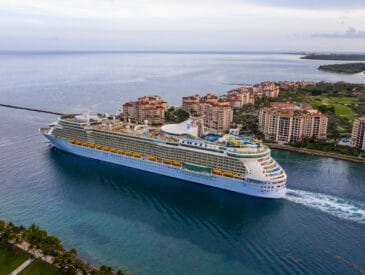
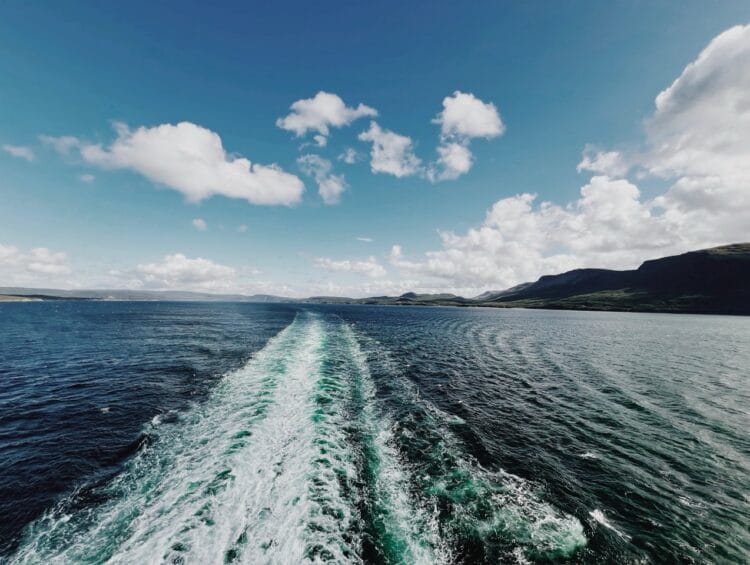
From the shore, a cruise ship can look like it’s moving deceptively slow, often gliding across the horizon with little sense of urgency.
In reality, these floating resorts maintain carefully calibrated speeds designed to balance efficiency, safety, fuel consumption, and guest comfort. While cruise ships are not built for speed in the way naval vessels or ferries are, they are far from sluggish.
Most modern cruise ships sail at an average speed of 18 to 22 knots, which translates to roughly 21 to 25 miles per hour. That pace allows ships to maintain published itineraries while operating efficiently across thousands of nautical miles.
Average cruise ship speeds explained
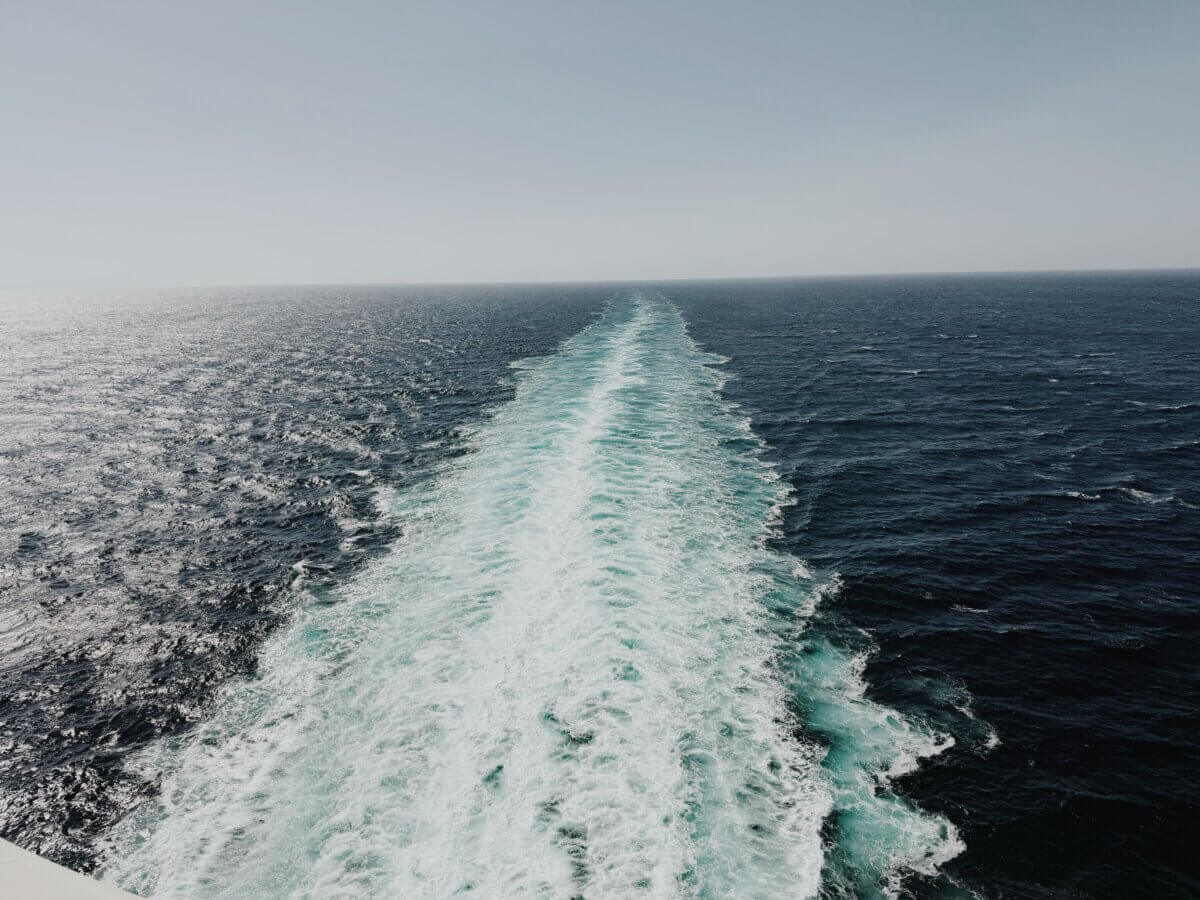
Cruise ship speed is measured in knots, which is a nautical unit equal to one nautical mile per hour. For context, a ship traveling at 20 knots covers about 460 nautical miles in a 24-hour period.
While this may seem modest compared to airplanes or high-speed trains, cruise ships are engineered to run continuously through the day and night, making their overall progress remarkably efficient over long distances.
Maximum speed vs. cruising speed
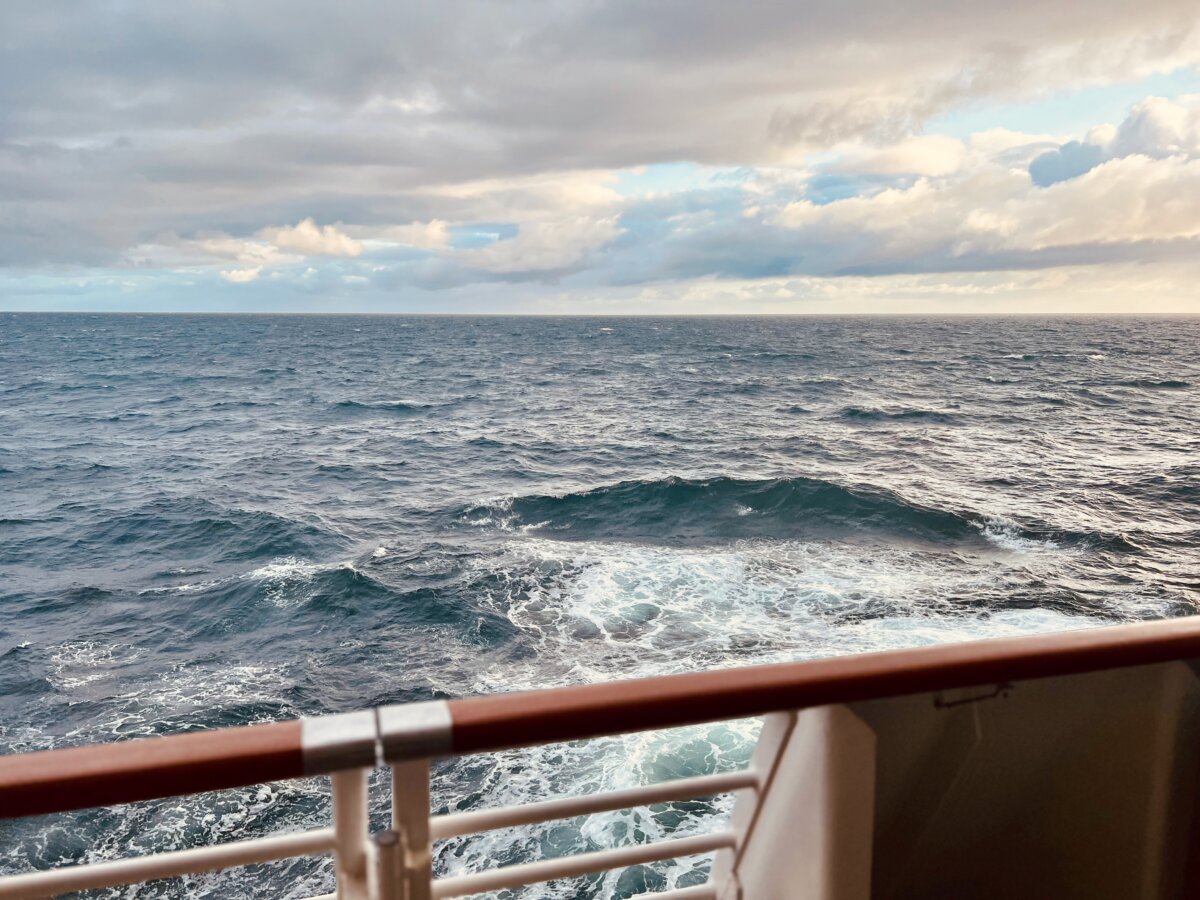
It’s important to distinguish between how fast a cruise ship can go and how fast it usually goes.
Most large cruise ships have a top speed between 22 and 25 knots, though they rarely operate at maximum speed. Sailing faster dramatically increases fuel consumption, creates more engine strain, and can reduce onboard comfort due to vibration.
Instead, cruise lines plan itineraries around a steady cruising speed that accounts for weather patterns, sea conditions, and port arrival windows.
What determines a cruise ship’s speed?
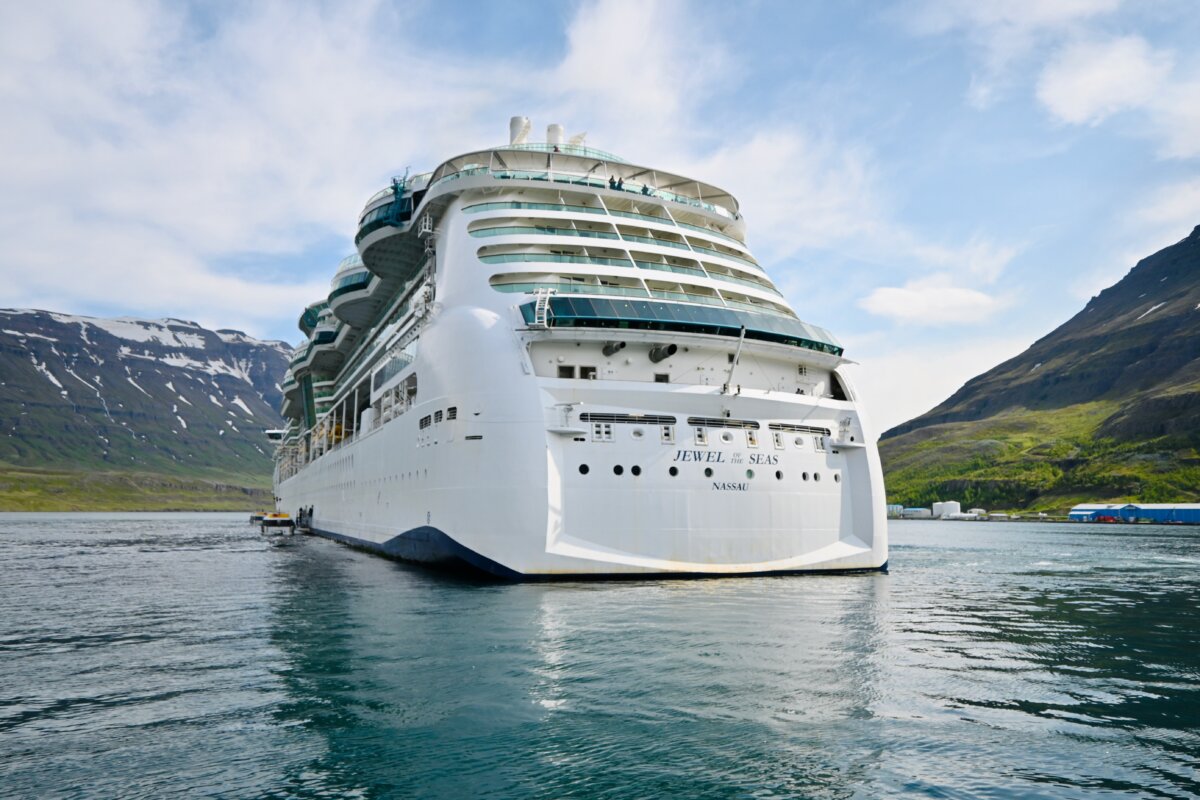
Several factors influence how fast a cruise ship travels on any given day, including many of the following considerations:
Ship size and design
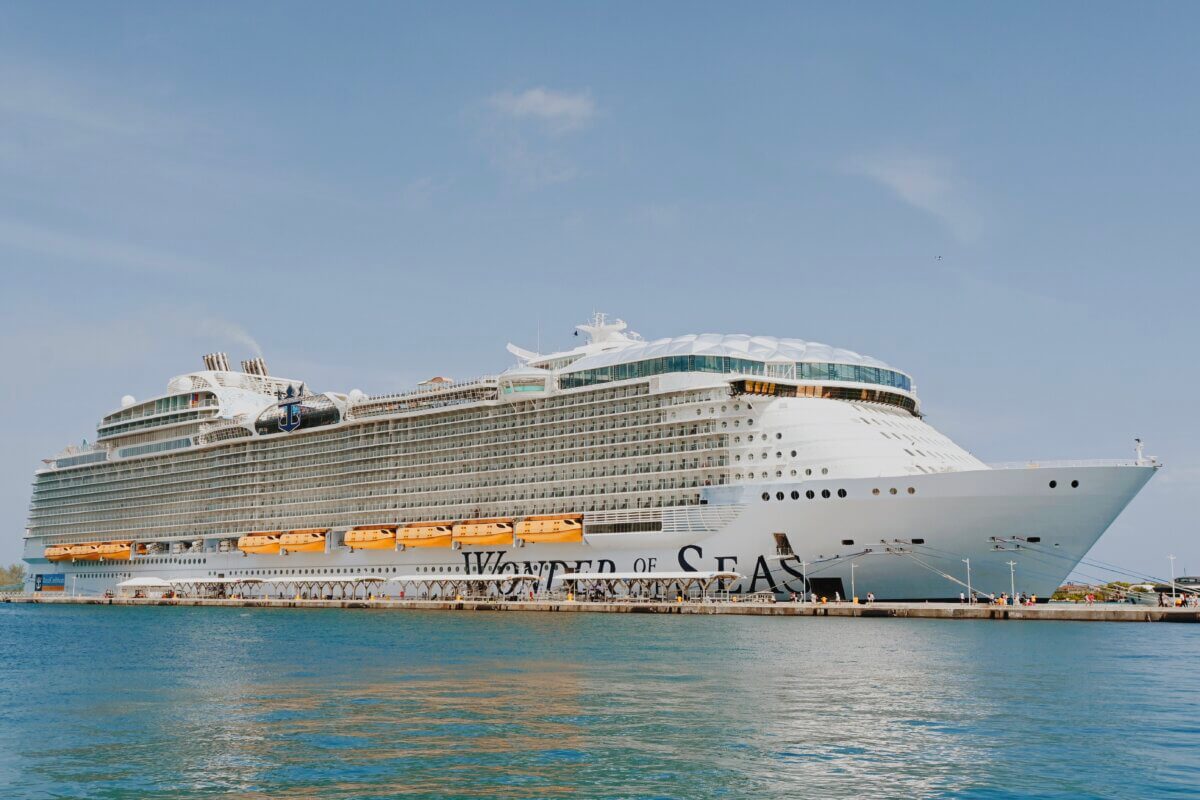
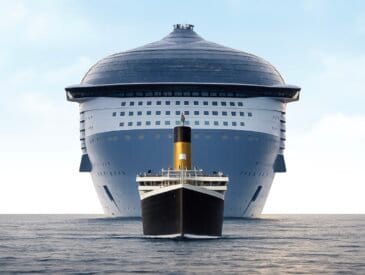
Larger ships typically cruise slightly slower than smaller vessels, though modern hull designs and advanced propulsion systems have narrowed that gap.
Newer ships operated by lines such as Royal Caribbean and Carnival Cruise Line are optimized for fuel efficiency rather than raw speed.
Weather and sea conditions
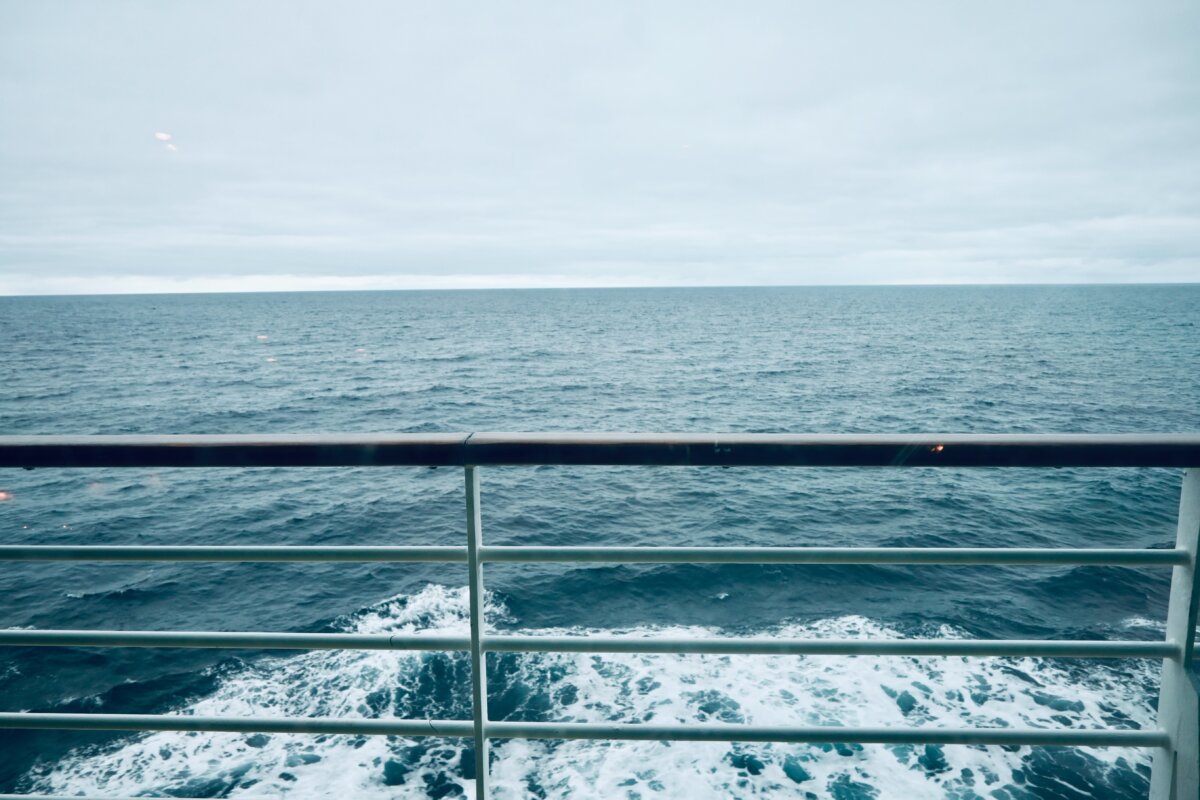
High winds, rough seas, and strong currents can all affect the speed of a cruise ship. During certain weather events, captains may slow the ship for passenger comfort or safety, even if it means adjusting arrival times. In addition, a cruise ship captain could decide to sail faster to navigate around potential weather or rough seas.
Itinerary and distance between ports
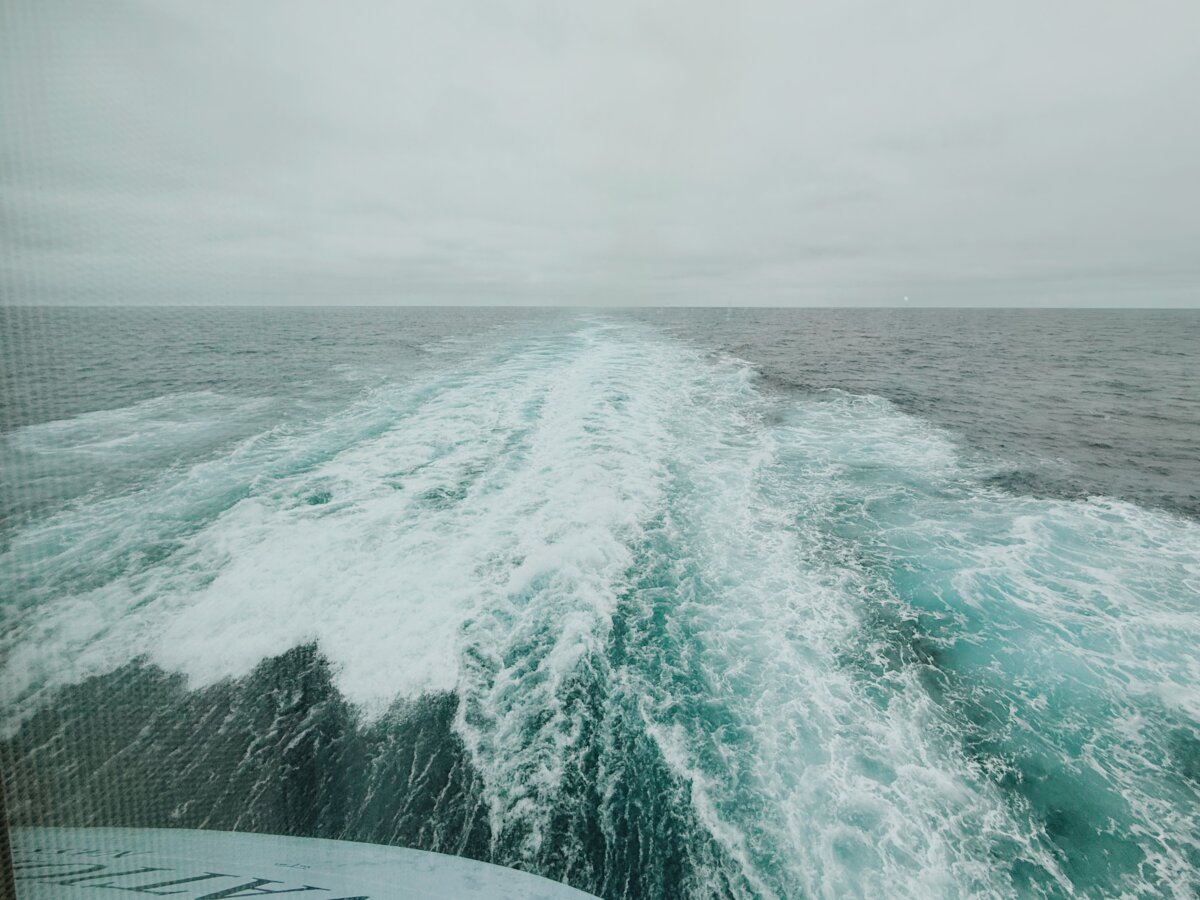
Cruise itineraries are built with some buffer time between each port of call. On longer sea days, cruise ships may sail at a relaxed pace, while overnight repositioning sailings sometimes require slightly higher speeds to stay on schedule.
Fuel efficiency and environmental regulations

Fuel is one of the largest operating costs for cruise lines. Slower speeds, often referred to as “slow steaming”, significantly reduce fuel consumption and emissions. This makes them both economically and environmentally preferable.
Are some cruise ships faster than others?
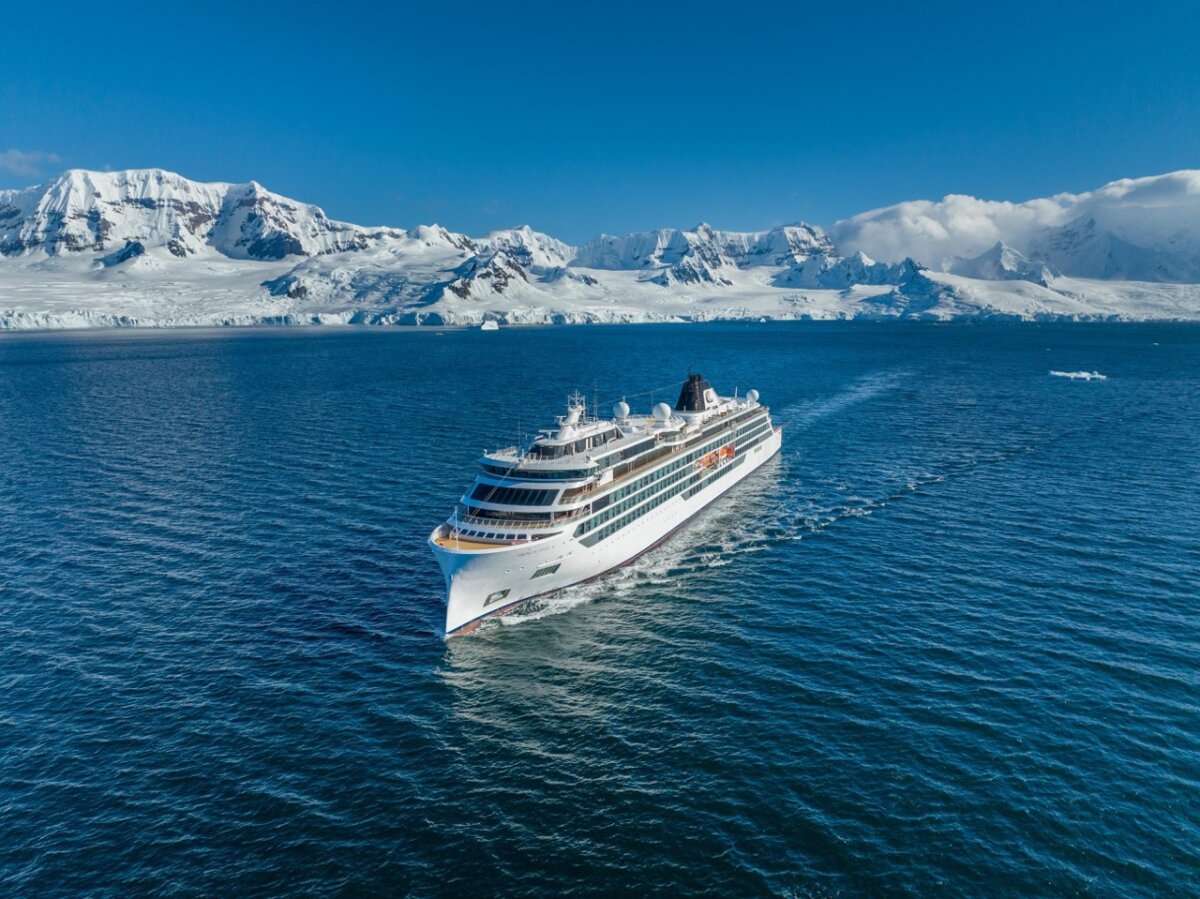
Yes, but the differences are modest. Smaller ships and expedition vessels may cruise closer to 14–18 knots, while older ocean liners built for transatlantic crossings were designed for higher sustained speeds.
A notable exception is the historic ocean liner Queen Mary 2, which was built for higher speeds and rough seas. This Cunard vessel can reach around 30 knots when conditions allow. However, most modern cruise ships prioritize stability, amenities, and efficiency over velocity.
Does speed impact the guest experience?
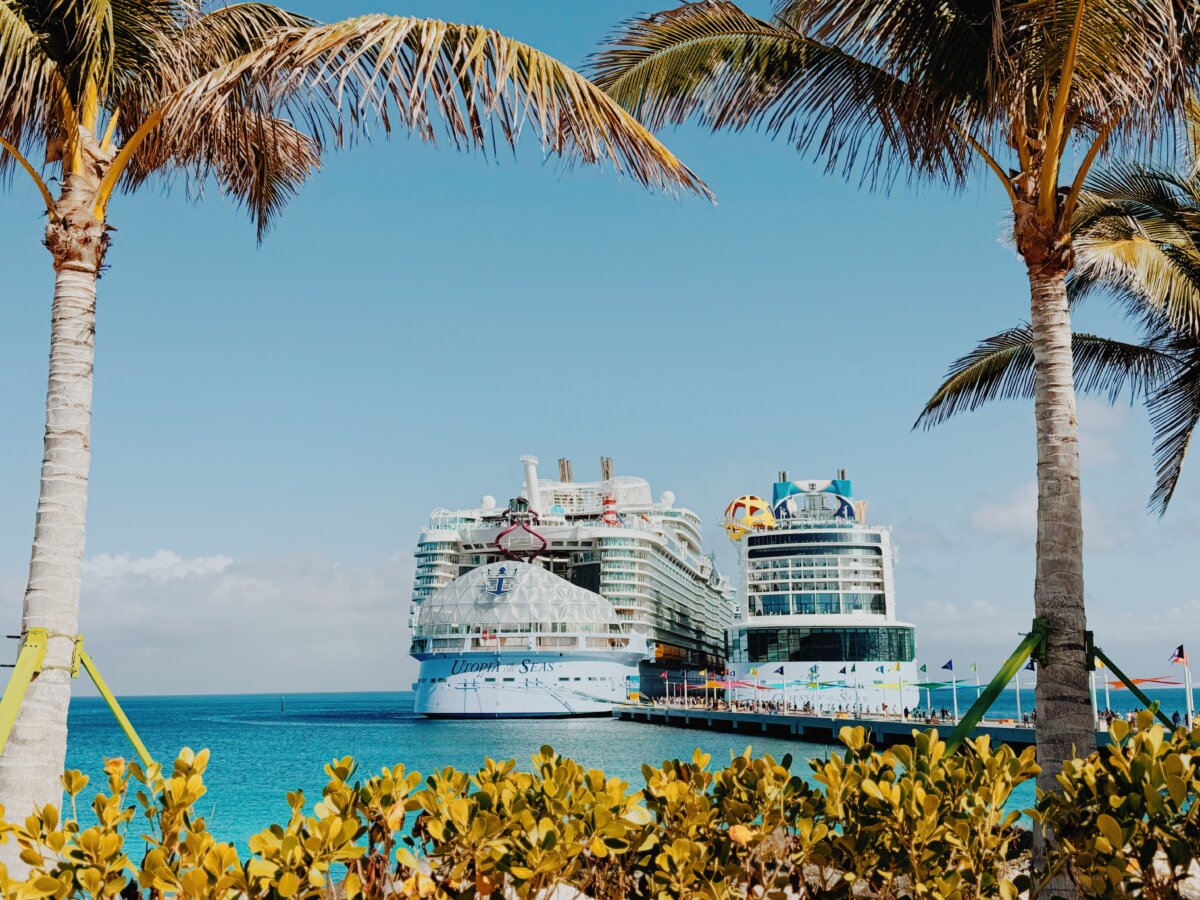
For passengers, cruise ship speed is rarely noticeable unless conditions are rough or the ship is traveling overnight at higher-than-usual power. In calm seas, a ship moving at 20 knots feels almost motionless, especially on larger and newer vessels.
What guests are more likely to notice is how speed decisions affect itinerary change, such as arriving earlier in port after smooth sailing or adjusting departure times due to weather.
Final take: How fast do cruise ships go?
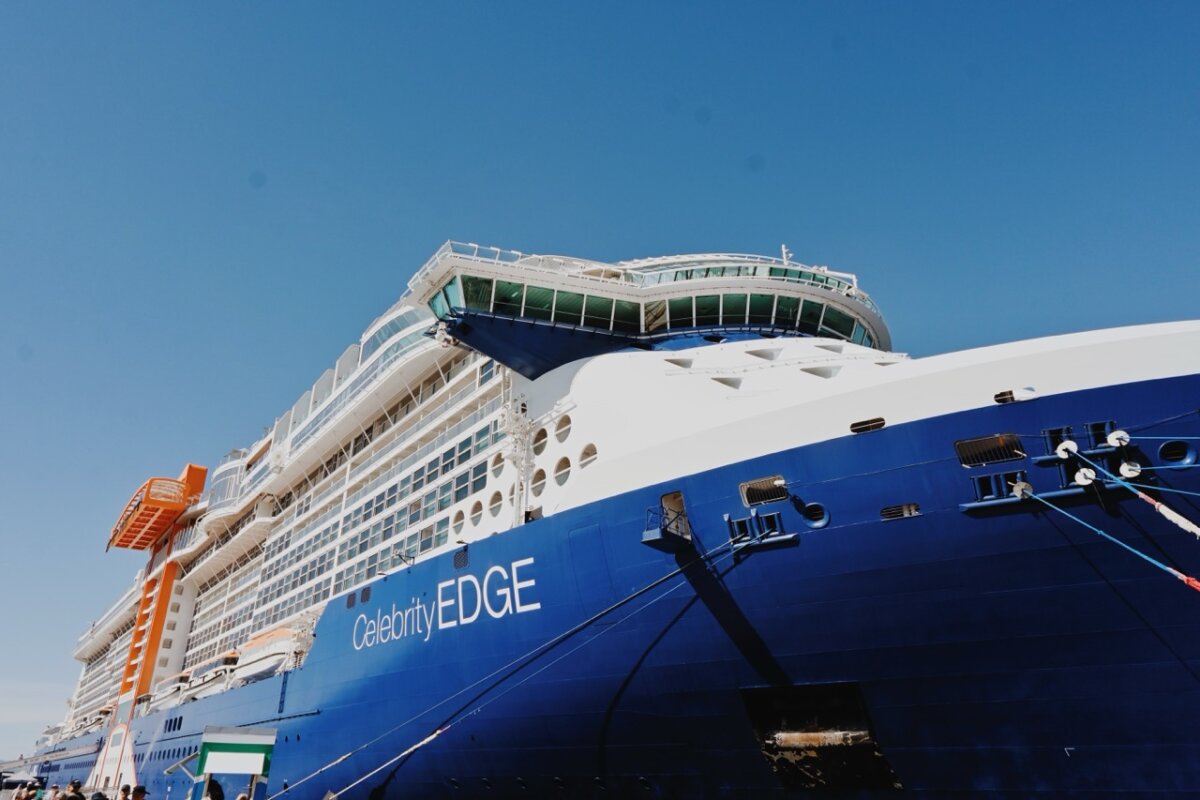
While cruise ships typically travel between 18 and 22 knots, a vessel’s top speeds are rarely used. The cruise ship’s speed reflects a careful balance between operational efficiency, safety, fuel use, and guest comfort rather than a need for speed.
While a cruise ship may not feel fast, its ability to quietly and reliably move thousands of passengers across vast oceans, often overnight, is a feat of modern maritime engineering that doesn’t need to break speed records to be impressive.