
When planning a British Isles trip, you might find yourself torn between taking a cruise and traveling independently on land. Some destinations make a very good argument for cruising. You can visit multiple places with ease, unpack your suitcase once and let the cruise ship handle most of the transportation.
On the other hand, a traditional land-based trip offers a lot more freedom. You can spend additional time in the places you love, explore at your own pace, and immerse yourself in the local culture.
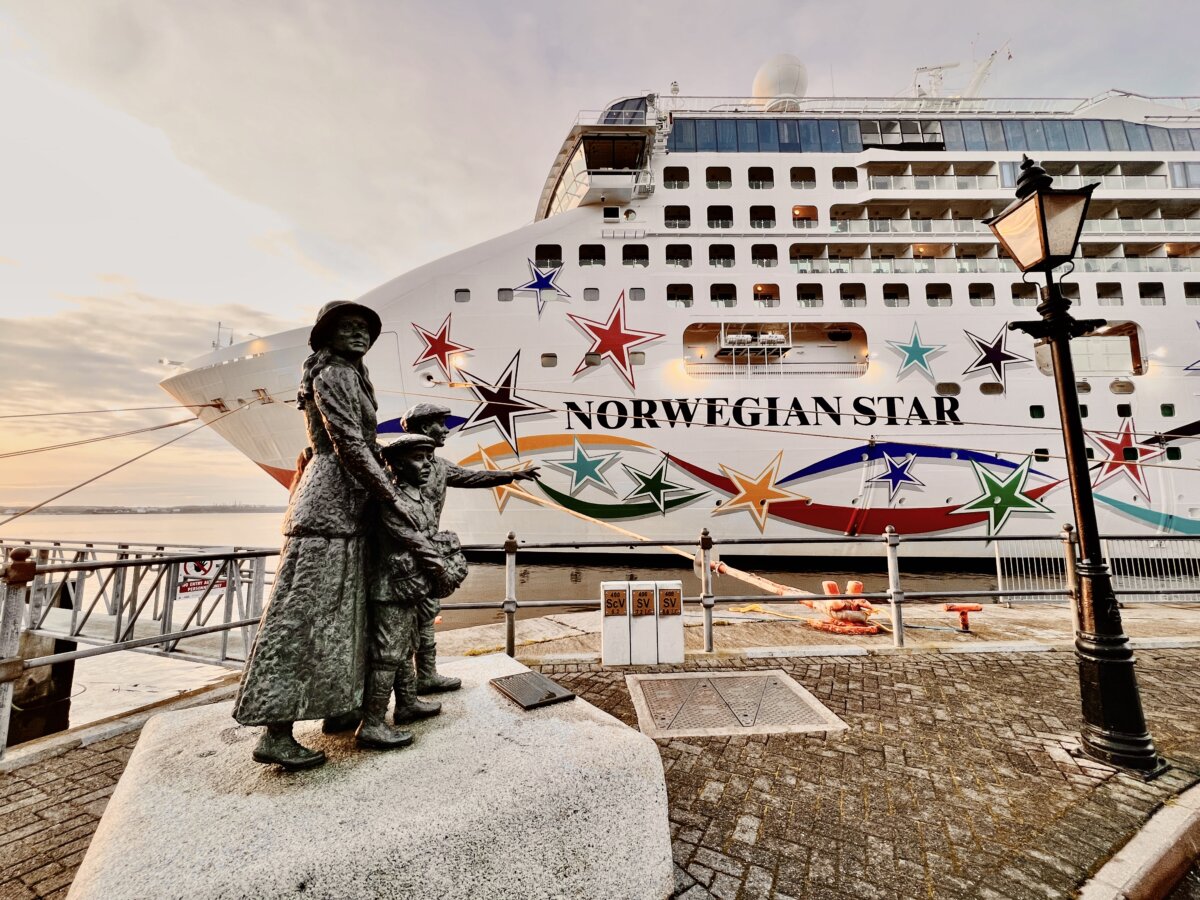
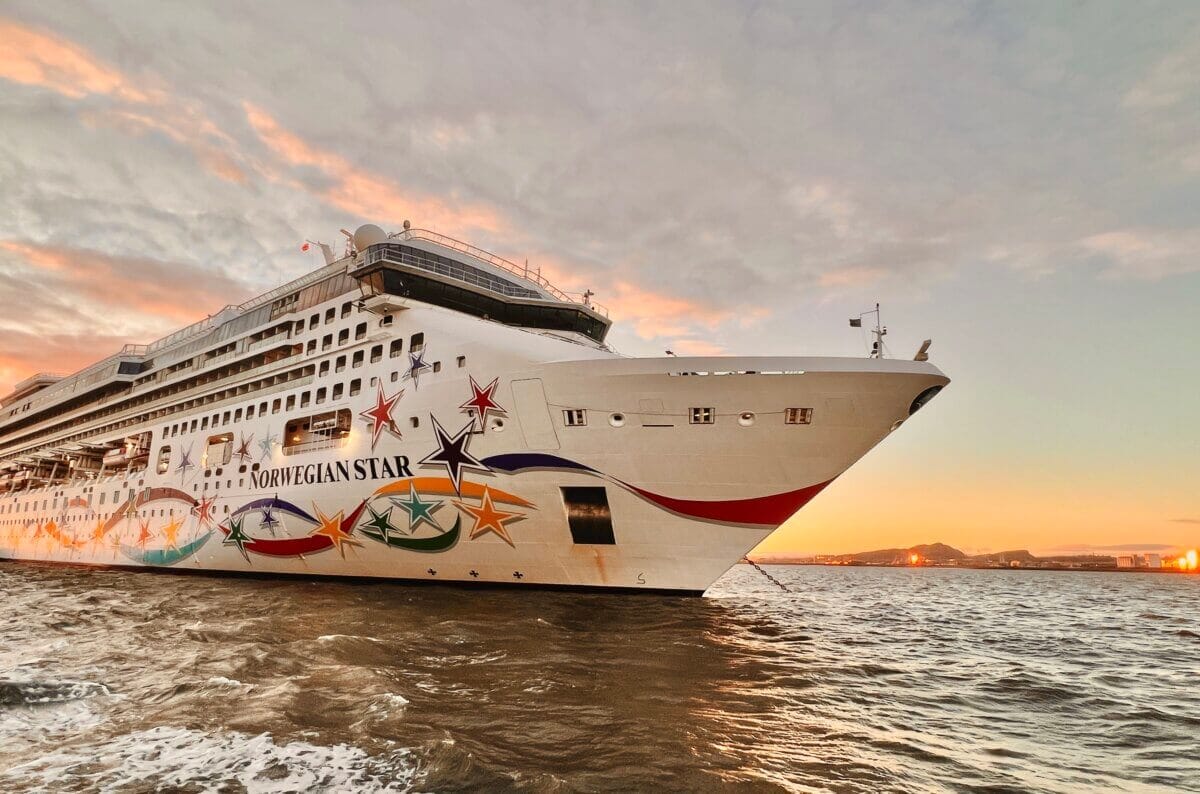
As someone who travels frequently, I have visited the British Isles by both cruise ship and land. Most recently, I sailed on Norwegian Star for a 10-night cruise with stops across England, Scotland, Northern Ireland, and Ireland.

I have also traveled independently through the region, spending multiple days in cities like London and Edinburgh while taking a separate trip into the Scottish Highlands.
Both trips were fantastic, but the experiences could not have been more different.
The best option ultimately depends on what you want from your vacation. A cruise is convenient, efficient and potentially more affordable, while a land trip provides flexibility and a deeper experience in each destination.
After traveling both ways, here are the most important factors I would consider before choosing between a British Isles cruise and a land-based vacation.
First, decide whether you want to see more places or experience fewer places deeply

The biggest difference between these vacations comes down to breadth versus depth.
If your main goal is seeing as many destinations as possible, a cruise will probably be the better option. Cruise ships travel overnight, which allows you to wake up somewhere new almost every morning without worrying about transportation.
During my British Isles cruise, we visited ports near Edinburgh, Inverness, Kirkwall, Belfast, Cork, Kinsale, Cobh and Weymouth. We experienced bustling cities, small coastal towns and remote islands during one trip.

Comparatively, my land-based vacation focused primarily on London and Edinburgh. We also spent a day in the Scottish Highlands and a few hours in Inverness, but we did not cover nearly as much ground.
However, we experienced London and Edinburgh more thoroughly. Instead of racing through the major attractions in a few hours, we had multiple days to explore each city and take our time sightseeing.
In this way, neither approach is inherently better. You just need to decide whether you would rather sample several destinations or spend a significant amount of time in a few.
Cruising is the easiest way to cover a lot of ground
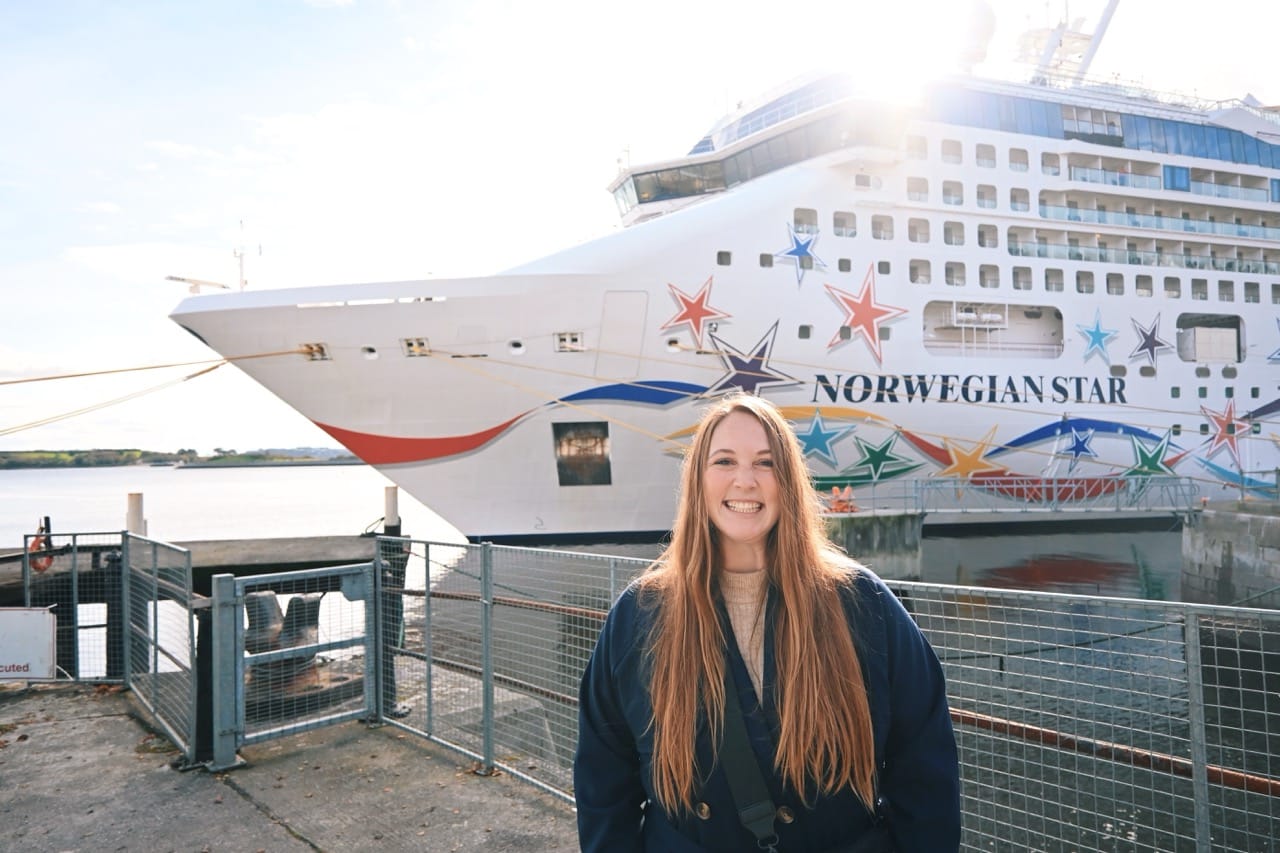
One of the biggest advantages of a British Isles cruise is convenience. Once you’re onboard, you can unpack your suitcase and settle into your cabin for the entire trip. There is no need to repeatedly pack your belongings, check out of hotels, or drag luggage through train stations.
The cruise ship handles nearly all of the transportation between destinations. While you are eating dinner, watching a show or sleeping, the ship travels to the next port.
Waking up somewhere new each morning is one of my favorite parts of cruising. This can be especially valuable for travelers with mobility or accessibility concerns. Navigating public transportation with luggage can be exhausting, even for experienced travelers.
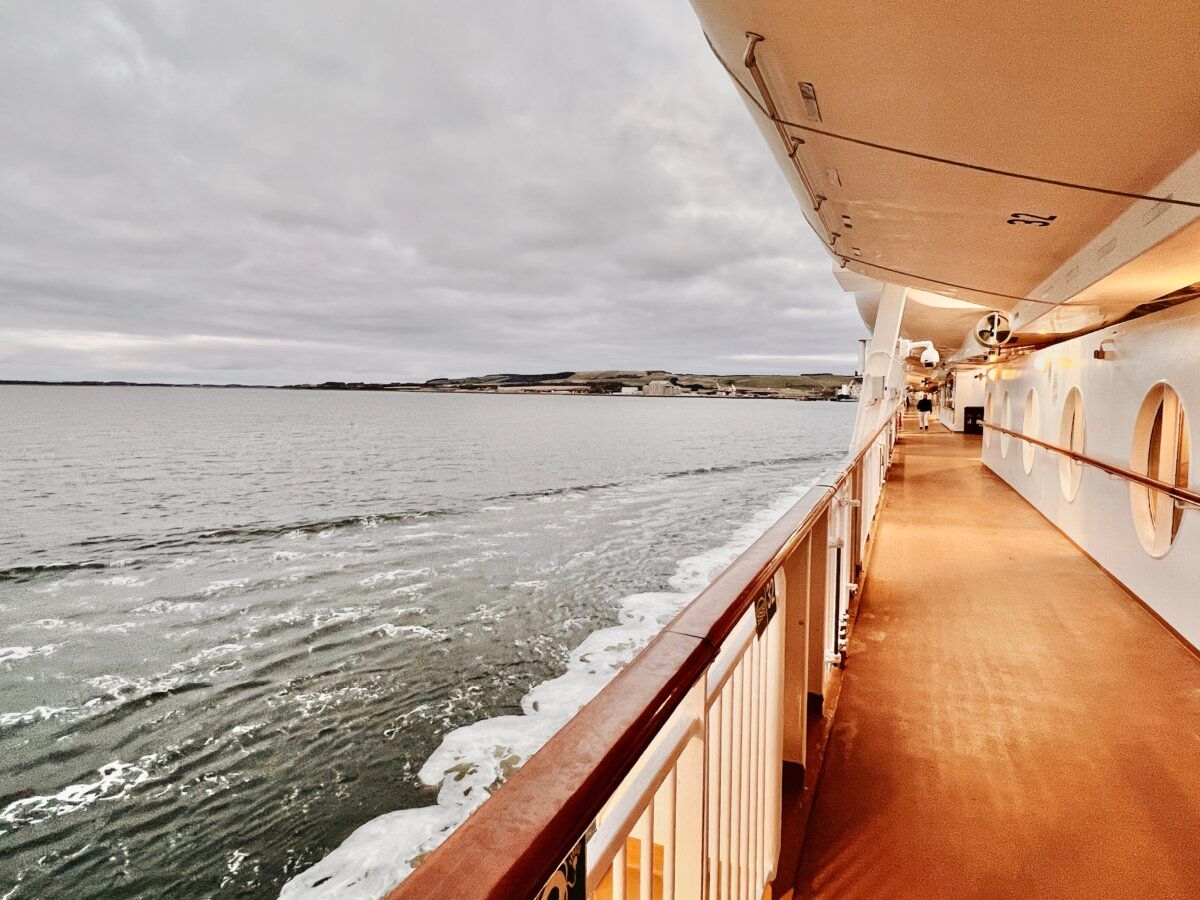
On a land trip, every new destination requires another layer of planning and logistics. You need to arrange accommodations, determine how to reach the next city, and make sure your transportation schedule works.
A cruise eliminates a lot of that logistical stress. You still need to plan how you will spend each day in port, but the larger pieces of the trip are already handled. This can make a cruise more relaxing for some.
A land trip gives you complete control over your schedule

Convenience comes at the cost of flexibility. When you travel independently, you can create an itinerary based entirely on your interests. You determine where to go, how long to stay, and what time you want to start each day.
If you are exhausted after a busy day of sightseeing, you can just sleep in the next morning. If you fall in love with a city, you can spend an extra day there.
Unfortunately, you won’t have this flexibility on a cruise. The ship determines when you arrive and when you leave each port. If you have three port days in a row but need a day to rest, you need to either keep up with the schedule or sacrifice time in one of the destinations.
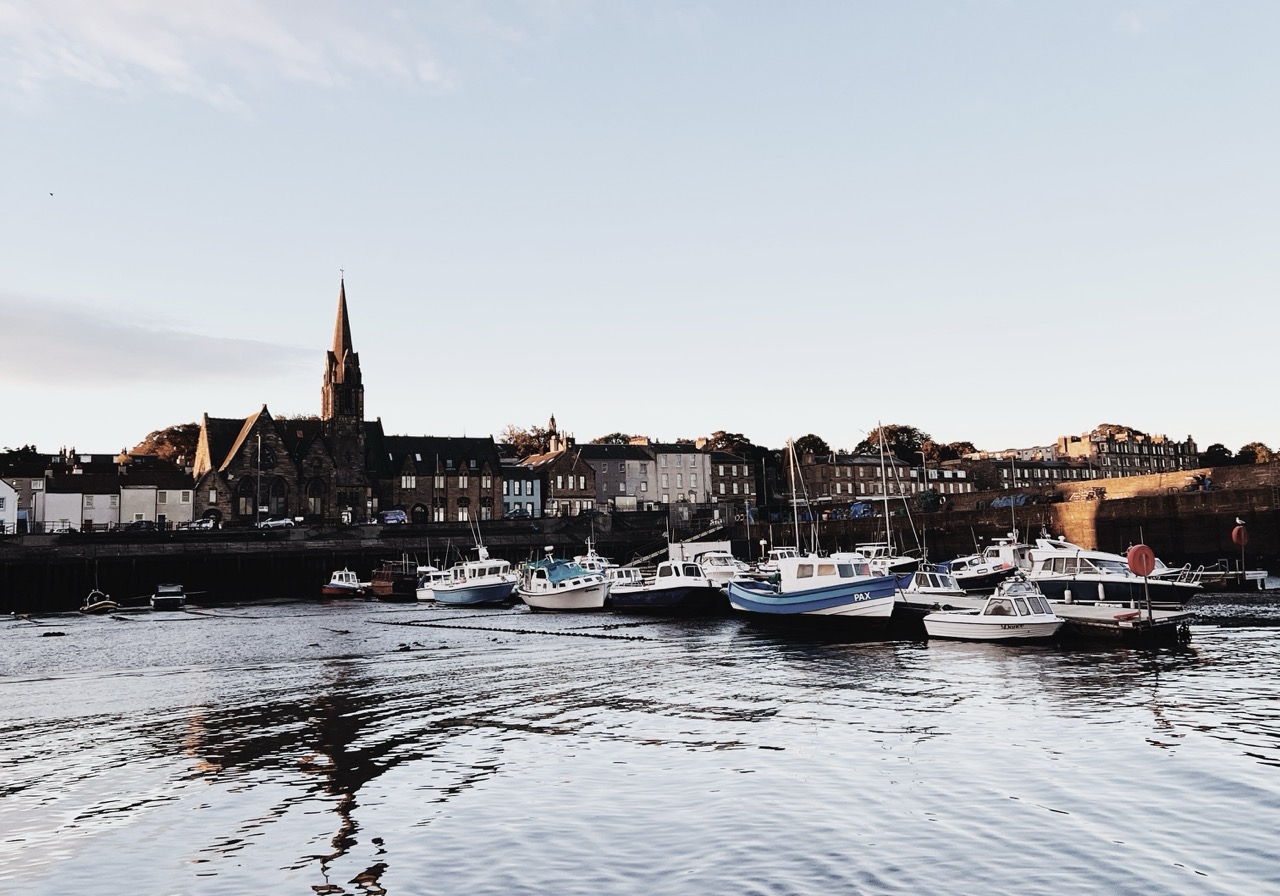
During my British Isles cruise, I had a slight meltdown after three full days of waking up early and exploring from morning until evening. I was exhausted, but we already had another busy day planned.
The ship’s scheduled sea days did not always align with when I needed a break. On our land trip, my friend and I could adjust our plans based on how we felt. After a long day of exploring, we could sleep in the next morning or enjoy a slower start without sacrificing time in another destination. This flexibility is one of the strongest reasons to travel independently through the UK.
A cruise can take you to destinations you might otherwise skip

Although a land trip in the UK offers more flexibility, a cruise can introduce you to places you might never visit independently.
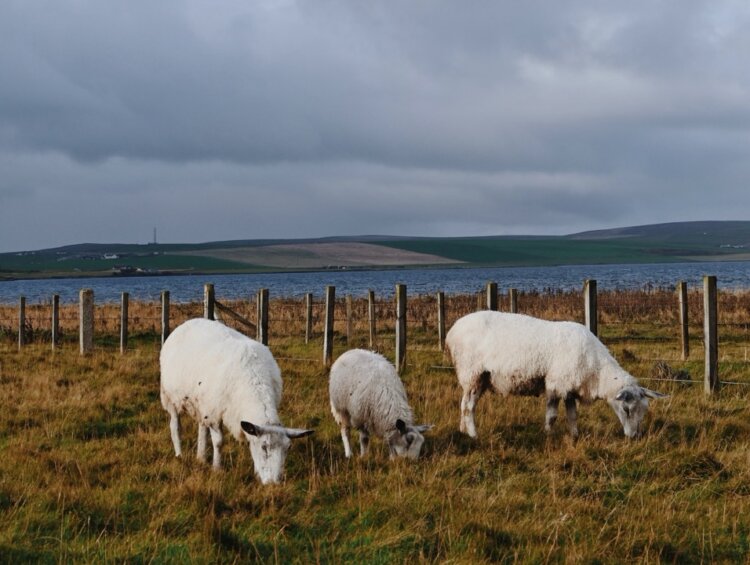
Kirkwall in Scotland’s Orkney Islands was one of these destinations for me. I probably would not have planned a separate land trip to Kirkwall, but the cruise made it easy to spend a day exploring the remote island.
The same was true for smaller ports like Cobh and Weymouth. These destinations were not necessarily at the top of my bucket list, but they became memorable parts of the cruise.

When planning a land trip, most travelers naturally gravitate toward major cities like London, Edinburgh and Dublin. Reaching smaller towns or islands can require extra train rides, regional flights, ferries or rental cars.
A cruise allows you to sample these destinations without arranging complicated transportation. Of course, one day is not enough to see everything. However, a port visit while cruising can help you discover which places you would like to revisit on a future trip.
Your advertised port time is not always your actual sightseeing time

The most frustrating part of a British Isles cruise was how little time we sometimes had in port. A cruise itinerary might show that the ship is visiting a destination from 7 a.m. until 6 p.m., but that does not mean you will have 11 hours to explore.
You’ll need to account for the time it takes the ship to receive clearance, transportation between the port and city, tender operations, and the all-aboard deadline.
Our visit to Edinburgh was a perfect example of this. Norwegian Star anchored near Newhaven, which required passengers to take a smaller tender boat ashore. Our scheduled departure was also shortened before embarkation, with the new itinerary showing Norwegian Star docked from 6 p.m. to 5 p.m.
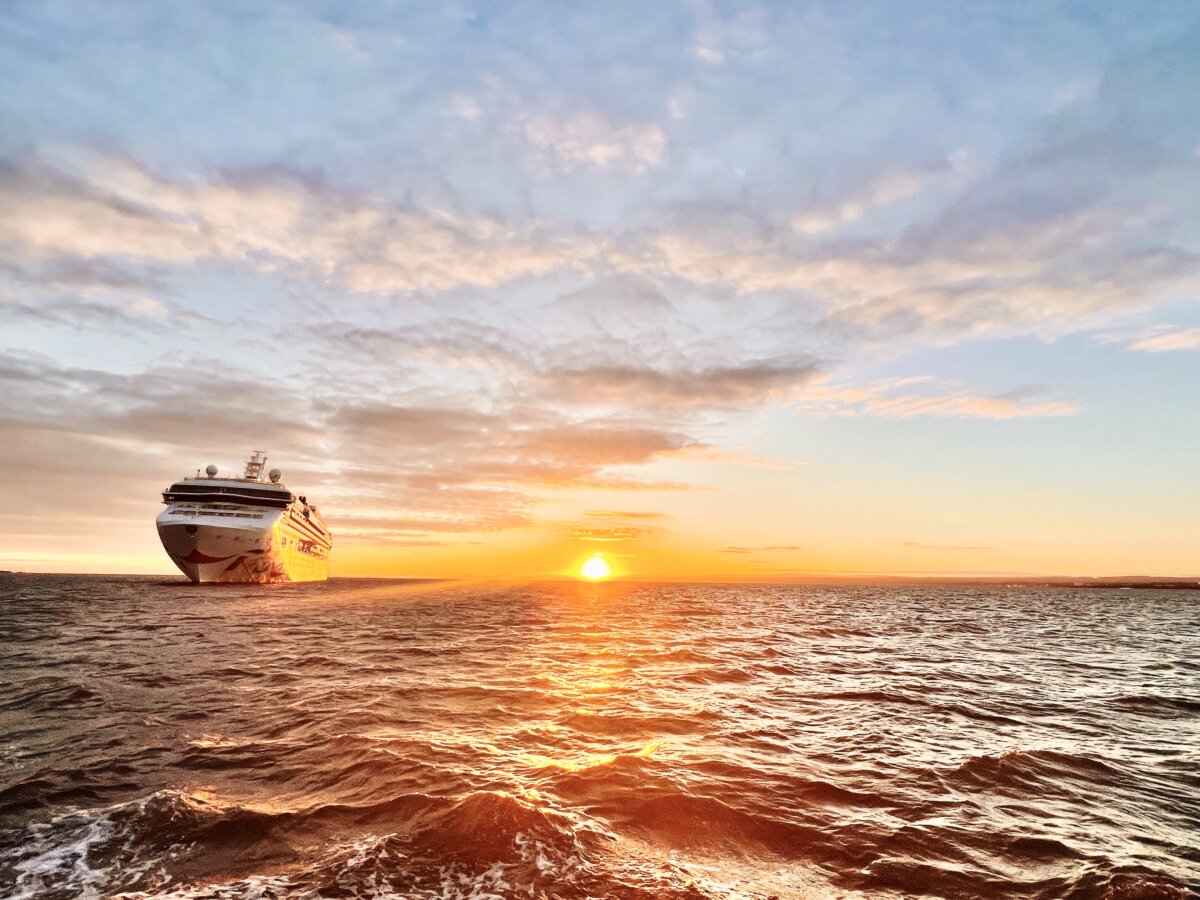
Because tender tickets were distributed early in the morning, we woke up at 5 a.m. to get in line. The ship arrived around 7 a.m. but did not receive clearance until approximately 7:30 a.m.
After taking the tender ashore and finding a taxi, we reached central Edinburgh around 8:30 a.m. The final tender was scheduled for 4 p.m., so we planned to leave the city by 3 p.m. in case we encountered traffic.
In the end, we only had about six hours in Edinburgh. With such a short time it port, it was a very busy day. However, I easily could have spent two or three days exploring the city!
On the other hand, when I visited Edinburgh on a land trip, we had three full days and two evenings. We could tour the attractions without constantly checking the time or worrying about missing the ship.
Land travel is better for bucket-list cities

If you have always dreamed of visiting a specific city, I would hesitate to rely on a cruise for the entire experience.
For instance, cities like London and Edinburgh have far more to see than you can realistically fit into a single port day. Even if you plan your day everything perfectly, you will probably need to skip multiple attractions.
A cruise can work well when you want an introduction to a destination, but it’s less ideal when that destination is the primary reason for your trip. For example, London is one of my favorite cities in the world.
I can return repeatedly and still find new neighborhoods, museums, and restaurants to experience. But one day isn’t enough to experience London in its entirety.

Before our Norwegian Star cruise, we only arrived one day before embarkation. Jet lag left us with about seven functional hours to explore London before traveling to Southampton.
Although I had visited before, others in my group were seeing London for the first time. We would have loved to spend several full days in the city.
If London, Edinburgh or Dublin is at the top of your bucket list, a land trip will give you more time to explore at your own pace. Alternatively, consider extending your vacation with a few days before or after your cruise.
Cruising can be considerably more affordable
The United Kingdom and Ireland can be expensive, especially when you are paying for hotels in major cities.
Depending on the season and location, a well-located hotel can easily cost several hundred dollars per night. Add restaurant meals, train tickets and admission to attractions, and the cost of an independent trip can increase quickly.
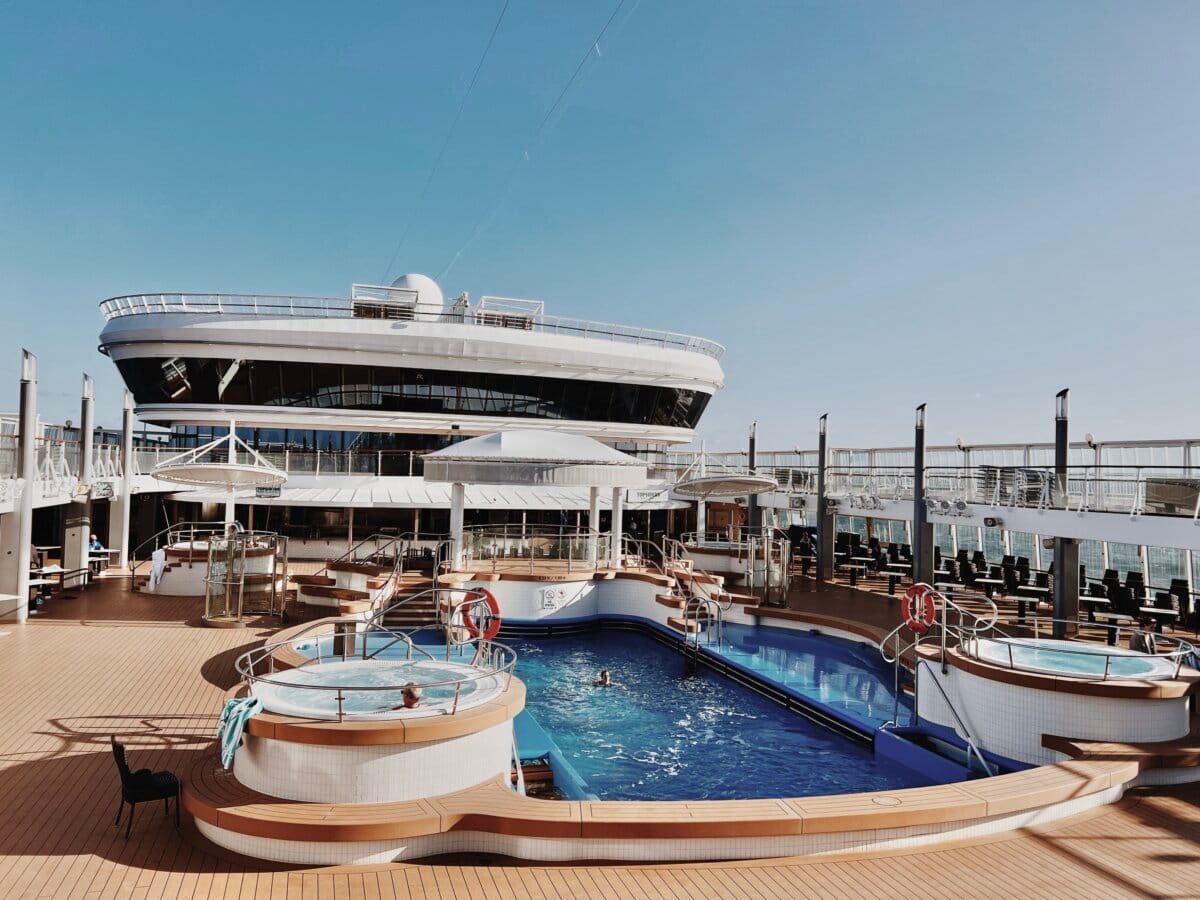
A cruise fare includes your accommodations, transportation between ports and most meals. Entertainment and many onboard activities are also included.
Technically, you could book a cruise and spend very little additional money beyond the fare. You do not need to purchase an excursion in every port, especially when public transportation or walking makes independent exploration possible.
My 10-night British Isles cruise cost around $1,700 per person. This included an inside cabin, gratuities, taxes, port fees and round-trip airfare from Florida to London through Norwegian Cruise Line’s promotion. It was a fantastic deal that we couldn’t resist!
In comparison, I spent nearly twice as much on a 10-night land-based trip through the region when considering airfare, hotels, food, tours, and transportation.
However, I highly recommend pricing both options before making a decision. A cruise might provide far more value than you expect, especially if you want to see multiple places across the region.
Independent travel can cost more because you pay for flexibility

Although a land trip can be more expensive, you are paying for control over your experience.
You can choose a centrally located hotel, spend multiple days in one city, and eat in local restaurants each night. You also have flexibility to change your plans when the weather is poor or you need additional rest.
However, transportation costs can add up quickly if you plan to see multiple destinations on a land-based trip. Moving between cities might require train tickets, regional flights, rental cars or taxis.
You also lose valuable sightseeing time while transiting between destinations. A two-hour train ride can easily consume half a day once you account for checking out of your hotel, reaching the station, waiting for departure, and finding your next hotel.
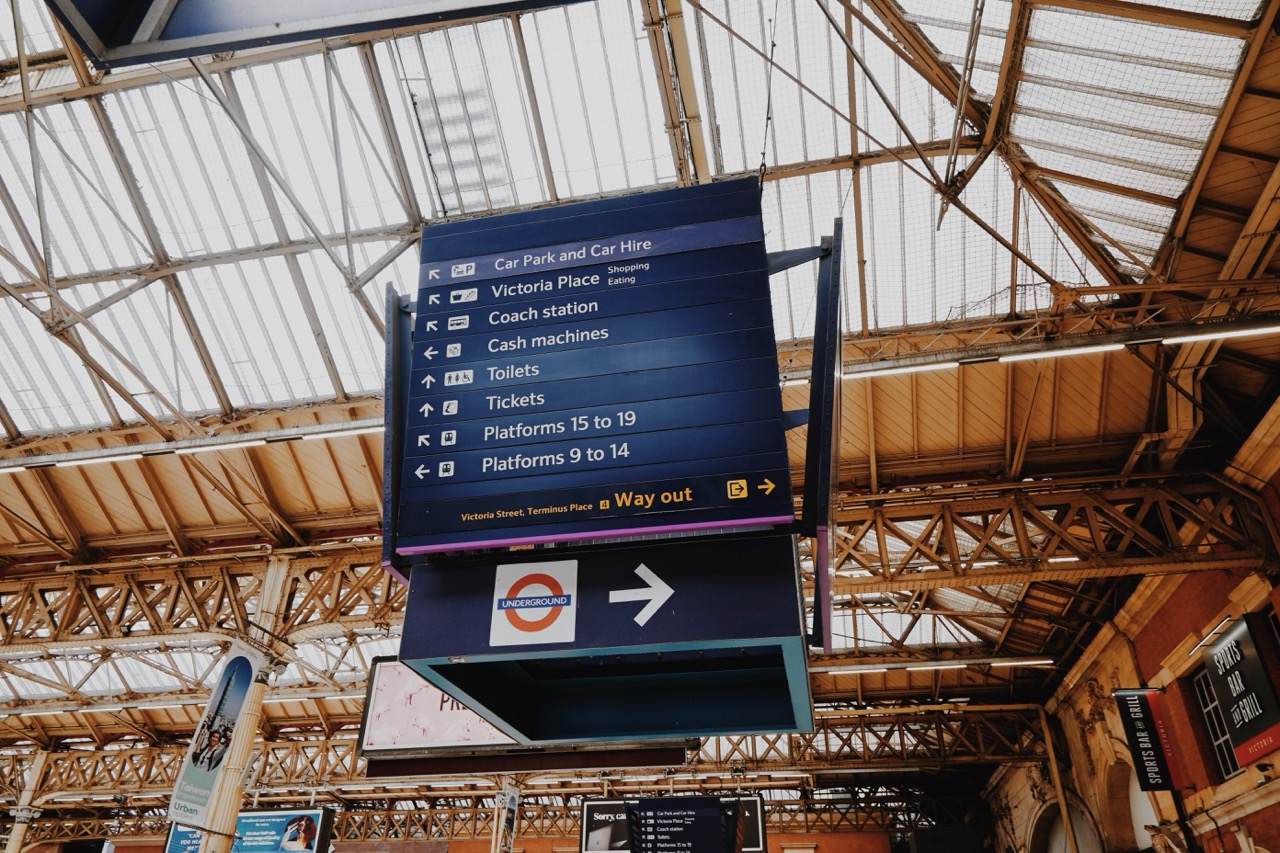
Comparatively, the cruise ship handles these travel logistics while you sleep. On a land trip, you are also responsible for planning every detail and figuring out logistics, including accommodations, transportation, meals and daily activities.
While some travelers enjoy the planning process, others might find it stressful and time-consuming. If you’re someone who prefers fewer logistics, then a cruise could be a better choice.
A land trip allows for more cultural immersion

Another major difference between a cruise and land-based trip is your ability to experience a destination beyond its popular daytime attractions.
Cruise passengers usually leave before the evening begins. Depending on the itinerary, the ship might depart between late afternoon and early evening.
This means you miss the opportunity to have a leisurely dinner, listen to music in a local pub, or see the city illuminated at night. During my land-based trip, some of my favorite memories happened after dark. We could enjoy dinner without watching the time closely and experience the local nightlife.

Cities also have a different atmosphere in the evening. Imagine visiting Times Square during the day but leaving before seeing the iconic lights at night—it’s just not the same experience!
Land trips also provide more time for museums, historical sites and neighborhoods away from the busiest tourist areas. You can discover hidden gems without worrying about the ship’s departure.
History enthusiasts and travelers who enjoy off-the-beaten-path exploration will probably find a land vacation more enriching. A cruise offers snapshots of each culture, while a land trip allows you to settle in and understand it more deeply.
Cruises are more vulnerable to itinerary changes
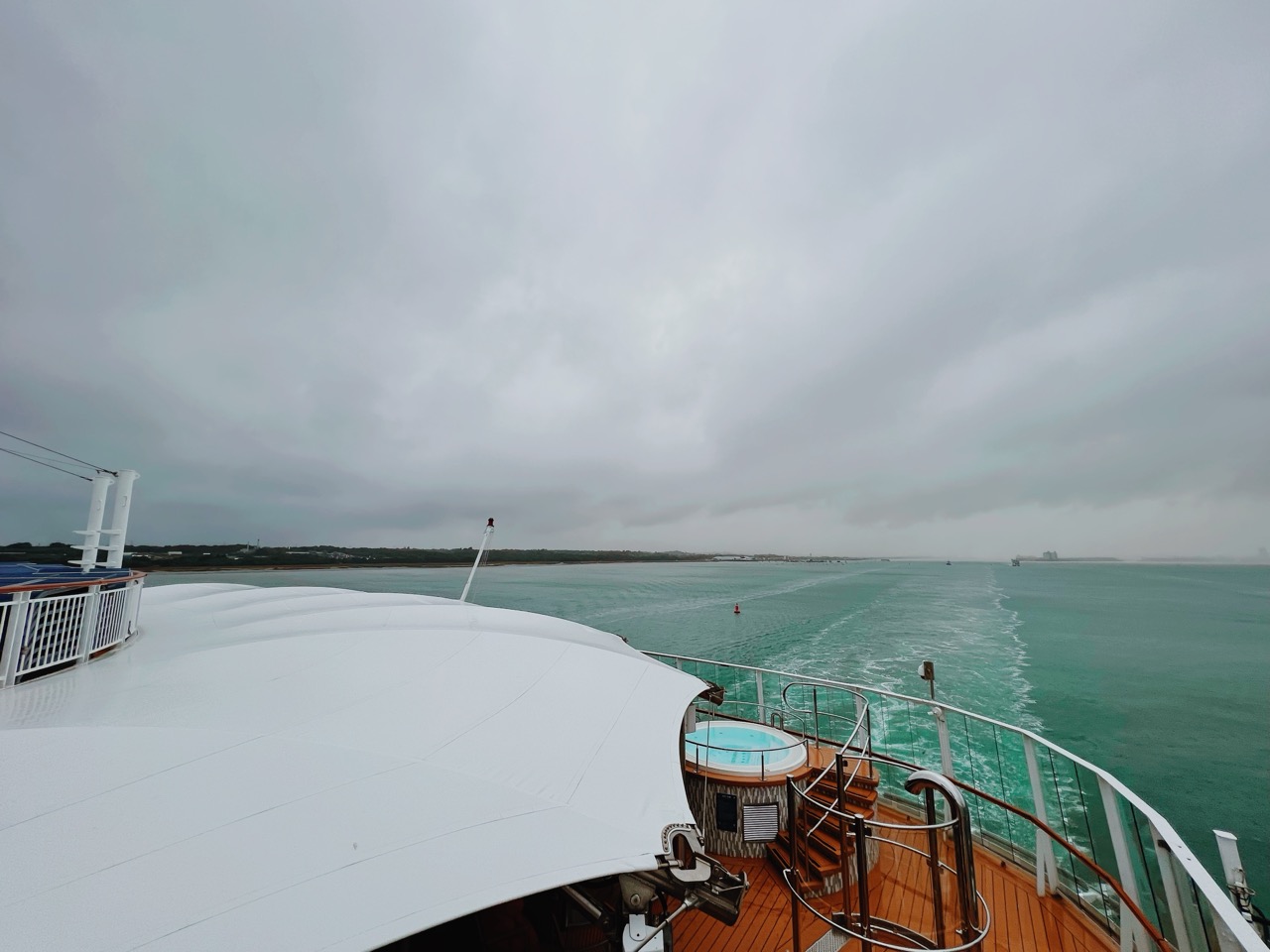
Cruise itineraries are always subject to change because of weather, mechanical issues, medical emergencies, and port conditions.
During our British Isles cruise, we missed two highly anticipated stops: the Isle of Man and Dublin. Bad weather made it impossible for the ship to visit safely, so these ports were skipped entirely.
Sadly, we had no control over this decision. When a cruise port is canceled, you cannot just reschedule the visit for the following day. This is an important consideration if one particular destination is the main reason you are booking the cruise.
Land trips can also face weather delays and transportation disruptions. However, you usually have more options. You might be able to adjust your train, extend your stay, or rearrange your itinerary. On a cruise, you are committed to the ship’s revised schedule without any flexibility.
The best option might be combining a cruise with a land trip

After experiencing the British Isles by both land and sea, I think the best approach could be combining the two.
A cruise provides an efficient overview of the region, while a pre- or post-cruise stay allows you to experience one destination more thoroughly.
Most British Isles cruises depart from Southampton, making London an obvious place to spend a few additional days. You could visit Big Ben, Buckingham Palace and the Tower of London without trying to squeeze everything into a jet-lagged afternoon.
You could also travel by train to Edinburgh or explore another part of England before boarding the ship.
Not to mention, traveling internationally is already a significant commitment. If your schedule and budget allow, adding two or three days can make the long flight across the pond feel more worthwhile.
I would also recommend arriving at least one day before any international cruise. Flight delays can happen, and you do not want to miss the ship because you planned to arrive on embarkation day.
Who should choose a British Isles cruise?
A British Isles cruise is probably the better choice if:
- You want to visit as many destinations as possible.
- You prefer unpacking your suitcase only once.
- You do not want to coordinate hotels and transportation.
- You are comfortable seeing each destination for a limited time.
- You find a cruise fare that includes strong promotional benefits.
- You want to visit smaller ports that are difficult to reach independently.
Cruising is especially appealing for first-time visitors who want a broad introduction to the region.
Who should choose a land-based trip?

An land-based trip is probably better if:
- You have one or two bucket-list cities you want to explore thoroughly.
- You value freedom and flexibility.
- You enjoy museums, history and cultural immersion.
- You want to experience local restaurants and nightlife.
- You do not mind coordinating transportation and accommodations.
- You are comfortable packing and unpacking throughout the trip.
Land travel requires more planning, but the result can be a deeper and more personalized vacation.
There is no universally better way to visit the British Isles

After visiting the British Isles by both cruise ship and land, I cannot say that one approach is always better than the other. My cruise was very convenient, affordable, and incredibly efficient. I visited more destinations in 10 nights than I could have realistically reached on my own!
However, the land trip gave me the freedom to slow down and immerse myself in the culture. I could spend multiple days in my favorite cities, sleep in when I was tired, and experience the destinations at night.
If you want variety and convenience, I would recommend choosing the cruise. If you want flexibility and deeper exploration, booking a land trip is probably the better option.
And if your time and budget allow, I would highly recommend combining both. For me, that offers the best balance between seeing more of the British Isles and actually having enough time to experience it.